


✔ 100% Authentic Product
👁️ Viewed 1234 times
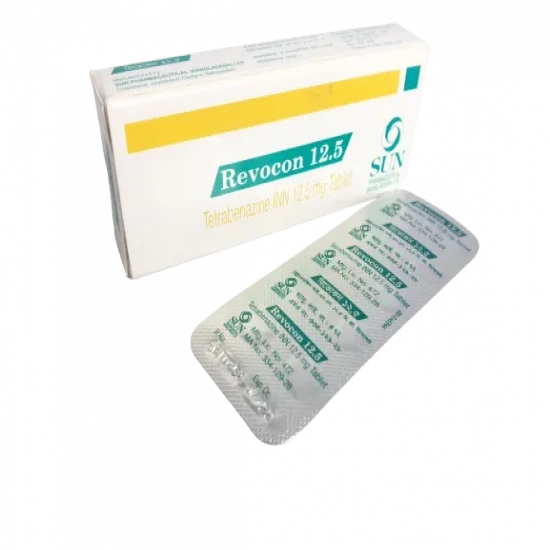
Revocon 12.5
Tetrabenazine is indicated for the management of chorea associated with Huntington’s disease.
Discount Price: ৳ 192
MRP:
৳
200
4%
off

100% Genuine Products, Guaranteed

Safe & Secure Payments, Always

Fast, Secure & Efficient Delivery

Proper Packaging
 Cash on Delivery - All over Bangladesh
 Regular Delivery: 24-48 Hours, Dhaka City* Charge Tk.39-59
- Regular Delivery: 48-96 Hours, Other Cities* Charge Tk.99-125
 ফ্রি ডেলিভারিঃ - ১৪৯৯ টাকা+ অর্ডারে, ঢাকা
শহরে
ফ্রি ডেলিভারিঃ - ১৪৯৯ টাকা+ অর্ডারে, ঢাকা
শহরে- ফ্রি ডেলিভারিঃ - ৪৯৯৯ টাকা+ অর্ডারে, ঢাকার
বাহিরে
📲 মোবাইল অ্যাপ অর্ডারে সাশ্রয় বেশী
-
Google Play Store থেকে ডাউনলোড
-
Apple Store থেকে ডাউনলোড
100% Genuine Products, Guaranteed
Safe & Secure Payments, Always
Fast, Secure & Efficient Delivery
Proper Packaging
- Cash on Delivery - All over Bangladesh
- Regular Delivery: 24-48 Hours, Dhaka City* Charge Tk.39-59
- Regular Delivery: 48-96 Hours, Other Cities* Charge Tk.99-125
- ফ্রি ডেলিভারিঃ - ১৪৯৯ টাকা+ অর্ডারে, ঢাকা
শহরে
- ফ্রি ডেলিভারিঃ - ৪৯৯৯ টাকা+ অর্ডারে, ঢাকার
বাহিরে
- Google Play Store থেকে ডাউনলোড
- Apple Store থেকে ডাউনলোড
📲 মোবাইল অ্যাপ অর্ডারে সাশ্রয় বেশী
✅ Description:
At doses of 50 mg, tetrabenazine has been shown to prolong the QTc interval. Preclinical studies indicate that tetrabenazine and its metabolites bind to melanin-containing tissues such as the skin and eyes; radioactivity remained detectable in these tissues up to 21 days after a single oral dose in animal models.
Tetrabenazine acts as a reversible inhibitor of human vesicular monoamine transporter type 2 (VMAT2) with a Ki of approximately 100 nM. By inhibiting VMAT2 in the basal ganglia, it depletes monoamine neurotransmitters including dopamine, serotonin, and norepinephrine. The reduction in dopamine transmission, which is essential for coordinated motor activity, contributes to its effectiveness in controlling hyperkinetic movements. Tetrabenazine exhibits minimal affinity for dopamine D₂ receptors in vitro (Ki ≈ 2100 nM).

Relevant Products
Same generic alternatives, ranked by customer interest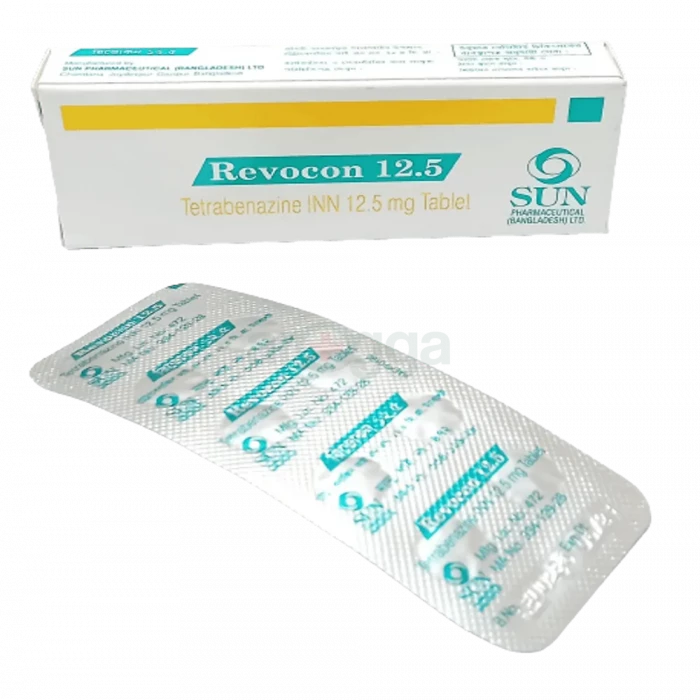
Revocon 12.5mg Tablet 10pcs
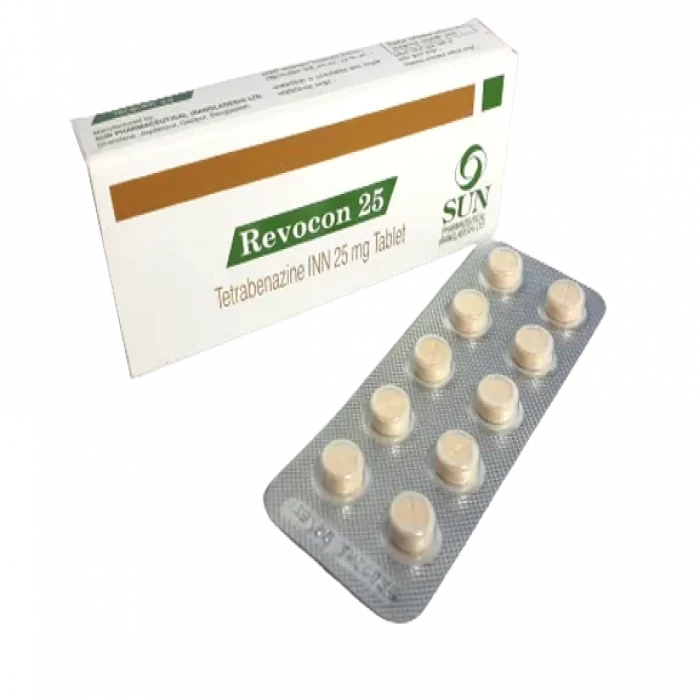
Revocon 25mg Tablet
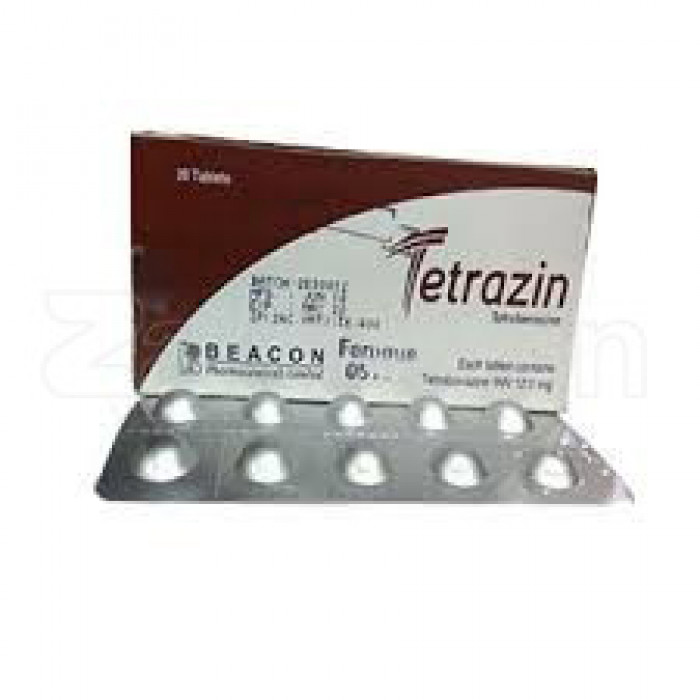
Tetrazin 12.5mg Tablet 10pcs
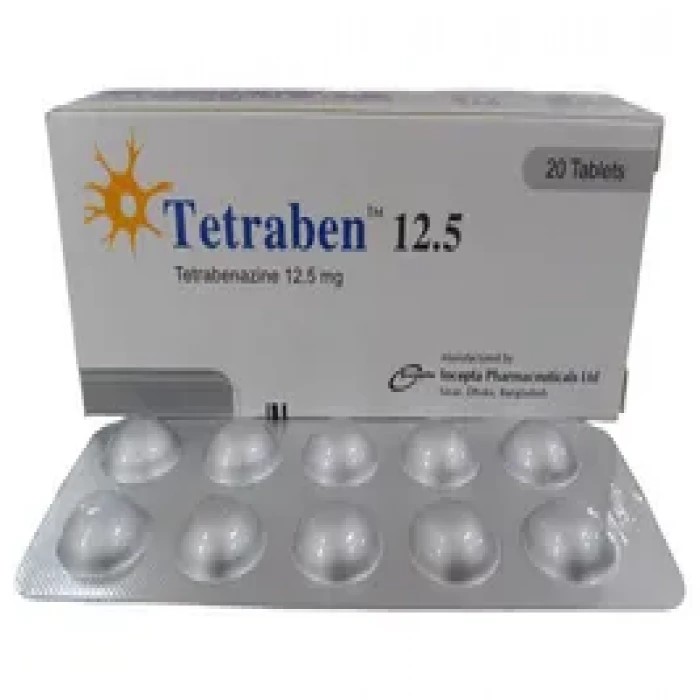
Tetraben 12.5mg Tablet 10pcs
Tetrazin 25mg Tablet
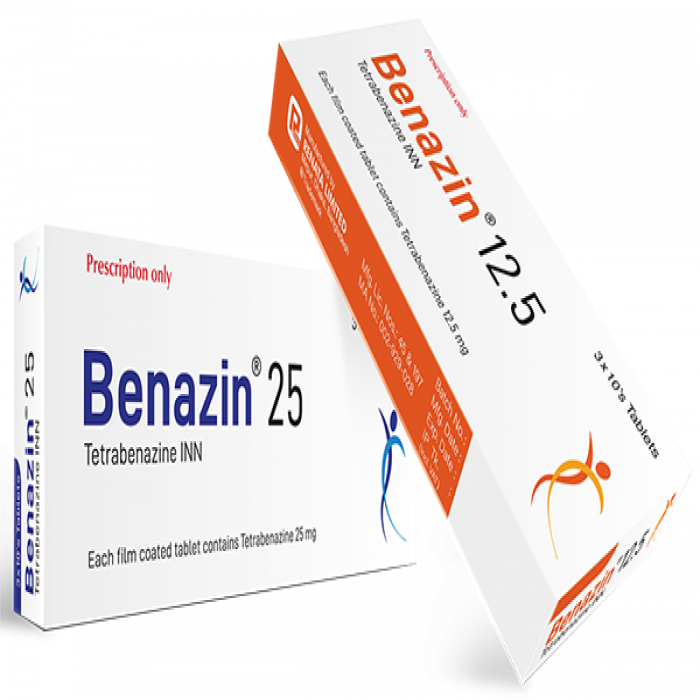
Benazin 25mg Tablet
Ticstop 12.5mg Tablet 10pcs
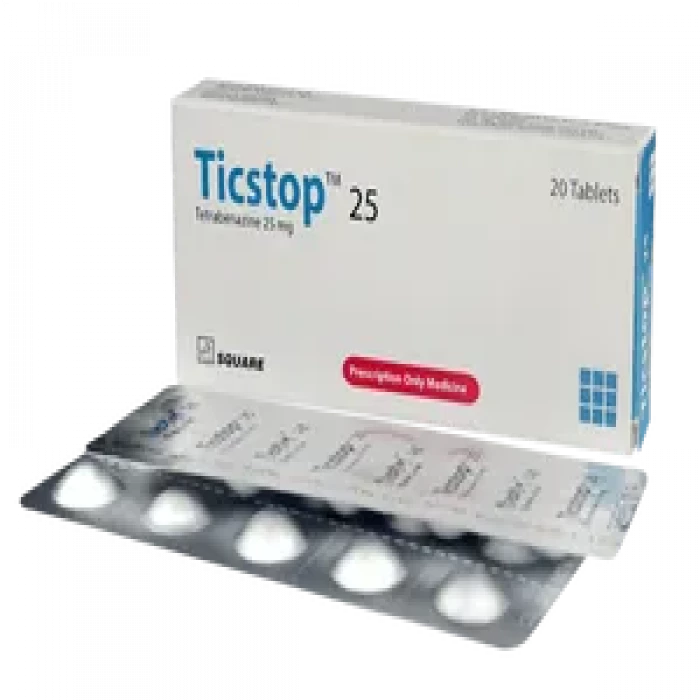
Ticstop 25mg Tablet
More From Sun Pharmaceutical (Bangladesh) Ltd.
Popular products from this manufacturer/brand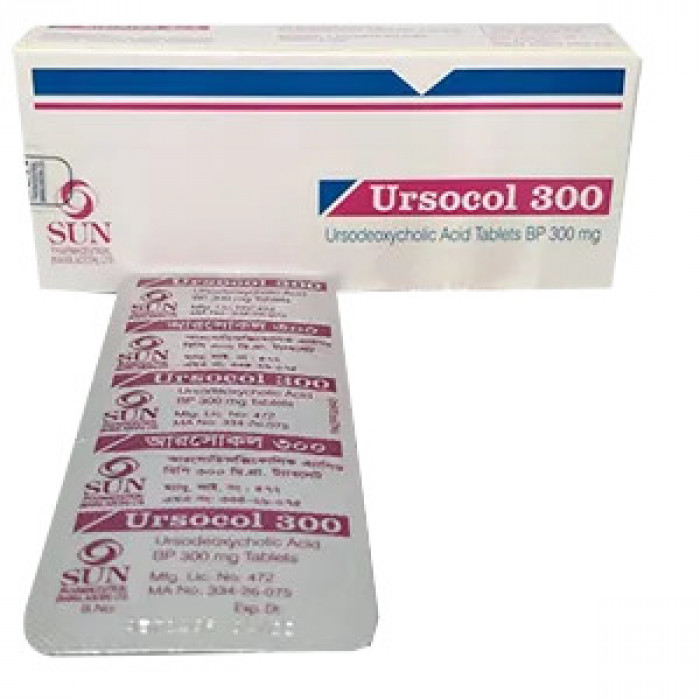
Ursocol 300 Tablet 1 Strip
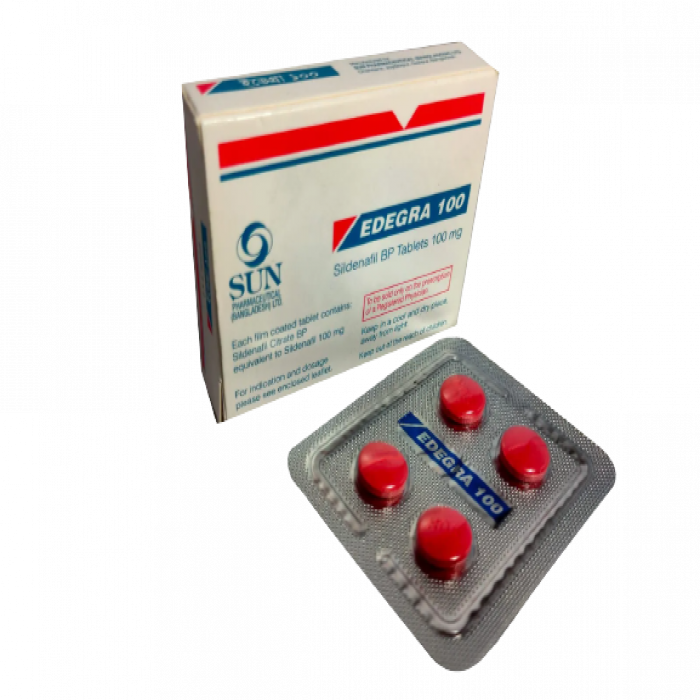
Edegra 100mg Tablet
Syndopa CR 125mg Tablet 10pcs
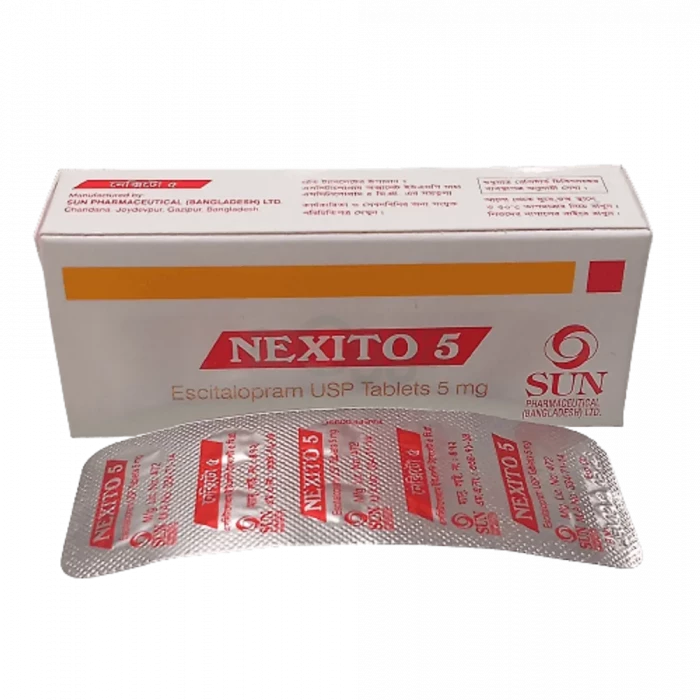
Nexito 5mg Tablet 10pcs

Edegra 50mg Tablet
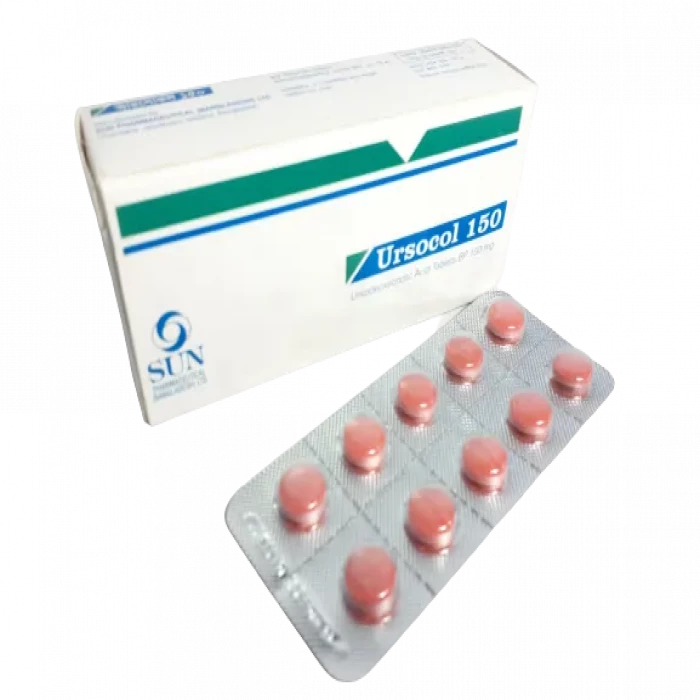
Ursocol 150mg 1 Strip
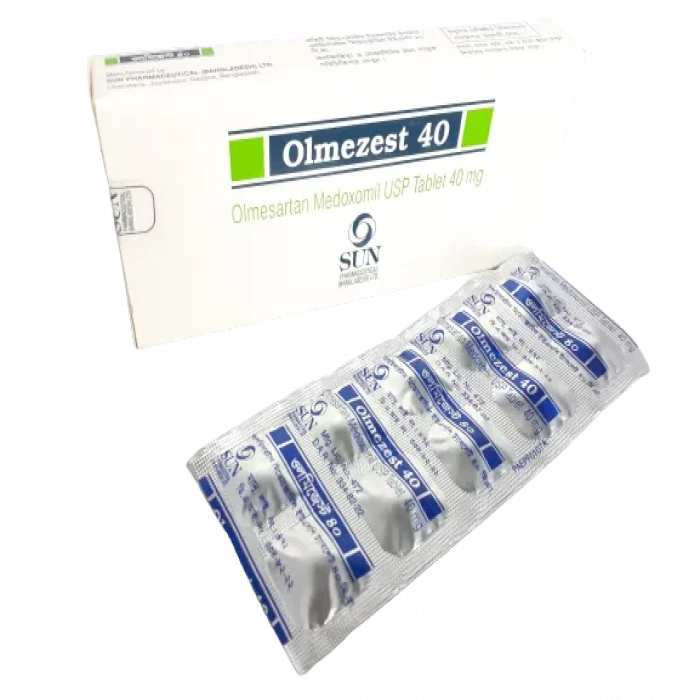
Olmezest 40mg 10Pcs
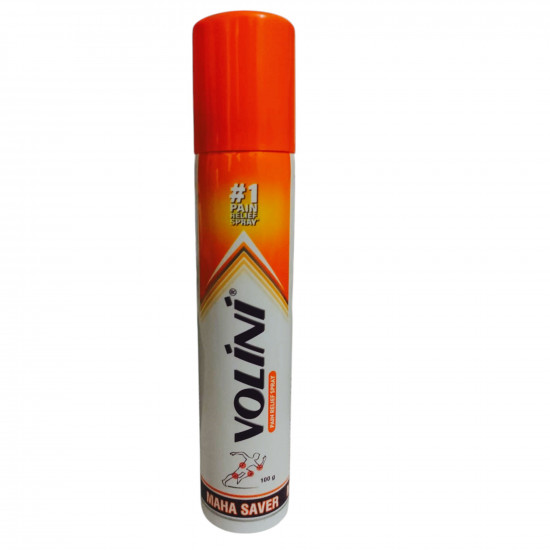
Volini Pain Relief Spray 100g/143ml
✔️ Side Effects
Common and clinically significant adverse reactions include depression, suicidal thoughts or behavior, akathisia, restlessness, agitation, parkinsonism, dysphagia, sedation, and somnolence.
✔️ Dosage & Administration
General Dosing Principles
The daily dose for treating Huntington’s disease–associated chorea must be individualized. Treatment should begin at a low dose and be gradually titrated over several weeks to determine the lowest effective and well-tolerated dose. Tetrabenazine may be taken with or without food.
Dosing Up to 50 mg/day
Initial dose: 12.5 mg once daily in the morning
After one week: Increase to 25 mg/day (12.5 mg twice daily)
Further increases: Incrementally increase by 12.5 mg/day at weekly intervals
Doses of 37.5–50 mg/day should be administered in three divided doses
Maximum single dose: 25 mg
If adverse effects such as akathisia, restlessness, parkinsonism, depression, insomnia, anxiety, or sedation occur, dose escalation should be stopped and the dose reduced. Persistent adverse reactions may require treatment discontinuation or additional supportive therapy.
Dosing Above 50 mg/day
Patients requiring doses exceeding 50 mg/day should undergo CYP2D6 genotyping to determine metabolizer status.
Extensive or Intermediate CYP2D6 Metabolizers:
Titrate by 12.5 mg/day at weekly intervals
Doses above 50 mg/day should be given in three divided doses
Maximum daily dose: 100 mg
Maximum single dose: 37.5 mg
Dose adjustments or discontinuation should be considered if intolerable adverse effects develop.
✔️ Drug Interactions
Concomitant use with monoamine oxidase inhibitors (MAOIs) or within 14 days of MAOI discontinuation is contraindicated
Interaction with reserpine may reduce therapeutic effectiveness
May diminish the effects of levodopa and exacerbate Parkinsonian symptoms
Concurrent use with antipsychotics, metoclopramide, or amantadine increases the risk of extrapyramidal reactions
✔️ Tetrabenazine is contraindicated in patients with:
Active suicidal ideation or untreated/inadequately treated depression
Hepatic impairment
Concurrent or recent (within 14 days) use of MAOIs
✔️ Pregnancy & Lactation
Pregnancy Category C: No adequate, well-controlled studies are available in pregnant women. Tetrabenazine should be used during pregnancy only if the potential benefit justifies the potential risk to the fetus.
Lactation: It is unknown whether tetrabenazine or its metabolites are excreted in human breast milk. Due to the potential for serious adverse effects in nursing infants, a decision should be made to either discontinue breastfeeding or discontinue the drug, considering its importance to the mother.
✔️ Precautions & Warnings
Tetrabenazine may worsen symptoms of parkinsonism. Patients should exercise caution when performing tasks requiring mental alertness, such as driving or operating machinery.
⚠️Disclaimer:
At ePharma, we’re committed to providing accurate and accessible health information. However, all content is intended for informational purposes only and should not replace medical advice from a qualified physician. Please consult your healthcare provider for personalized guidance. We aim to support, not substitute, the doctor-patient relationship.
📦Pricing Information, Availability:
Product Availability & Pricing Notice
Please note that pricing, availability, and service offerings are subject to change due to: Market fluctuations, Manufacturer or supplier adjustments, Product discontinuation or temporary unavailability, Advertising errors. All orders depend on stock availability and staff resources. If services are provided on a time-and-materials basis, any shared estimates are for planning purposes only.

Reliable
All products displayed on ePharma are procured from govt. approved pharmaceuticals and verified licensed pharmacies from 2016.

Secure
ePharma uses Secure Sockets Layer (SSL) 128-bit 🔒 encryption and is Payment Card Industry DataSecurity Standard (PCI DSS) compliant.

Affordable
Find affordable medicine substitutes, save up to 50% on health products, up to 30% off on doctor consultations.

Social
Providing health care services under the health and beauty category with more than 170K Facebook audience and 10M+ reach.







Get more features!
Download the app now
✓ Doctor consultation ✓ 24/7 helpline