



✔ 100% Authentic Product
👁️ Viewed 616 times
Anidula 100 Powder For Infusion
Anidula is indicated for the treatment of invasive fungal infections, including:
Candidemia and other Candida infections (such as intra-abdominal abscess and peritonitis) in adults and pediatric patients aged 1 month and older
Esophageal candidiasis in adults
Discount Price: ৳ 7,173
MRP:
৳
7550
5%
off

100% Genuine Products, Guaranteed

Safe & Secure Payments, Always

Fast, Secure & Efficient Delivery

Proper Packaging
 Cash on Delivery - All over Bangladesh
 Regular Delivery: 24-48 Hours, Dhaka City* Charge Tk.39-59
- Regular Delivery: 48-96 Hours, Other Cities* Charge Tk.99-125
 ফ্রি ডেলিভারিঃ - ১৪৯৯ টাকা+ অর্ডারে, ঢাকা
শহরে
ফ্রি ডেলিভারিঃ - ১৪৯৯ টাকা+ অর্ডারে, ঢাকা
শহরে- ফ্রি ডেলিভারিঃ - ৪৯৯৯ টাকা+ অর্ডারে, ঢাকার
বাহিরে
📲 মোবাইল অ্যাপ অর্ডারে সাশ্রয় বেশী
-
Google Play Store থেকে ডাউনলোড
-
Apple Store থেকে ডাউনলোড
100% Genuine Products, Guaranteed
Safe & Secure Payments, Always
Fast, Secure & Efficient Delivery
Proper Packaging
- Cash on Delivery - All over Bangladesh
- Regular Delivery: 24-48 Hours, Dhaka City* Charge Tk.39-59
- Regular Delivery: 48-96 Hours, Other Cities* Charge Tk.99-125
- ফ্রি ডেলিভারিঃ - ১৪৯৯ টাকা+ অর্ডারে, ঢাকা
শহরে
- ফ্রি ডেলিভারিঃ - ৪৯৯৯ টাকা+ অর্ডারে, ঢাকার
বাহিরে
- Google Play Store থেকে ডাউনলোড
- Apple Store থেকে ডাউনলোড
📲 মোবাইল অ্যাপ অর্ডারে সাশ্রয় বেশী
✅ Description:
Anidulafungin inhibits β-1,3-D-glucan synthase, an enzyme present in fungal cells but absent in mammalian cells. This inhibition prevents the synthesis of 1,3-β-D-glucan, an essential structural component of the fungal cell wall, leading to fungal cell death.

More From Healthcare Pharmacuticals Ltd.
Popular products from this manufacturer/brand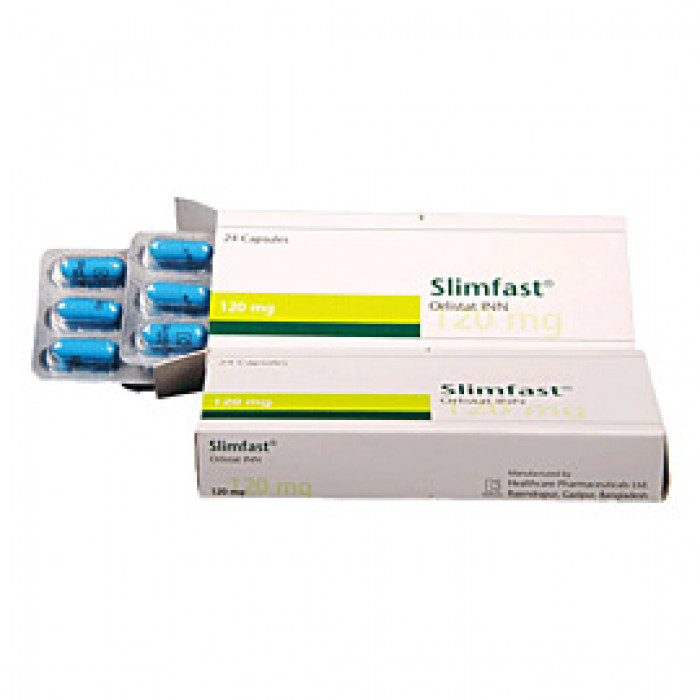
Slimfast 120mg Capsule
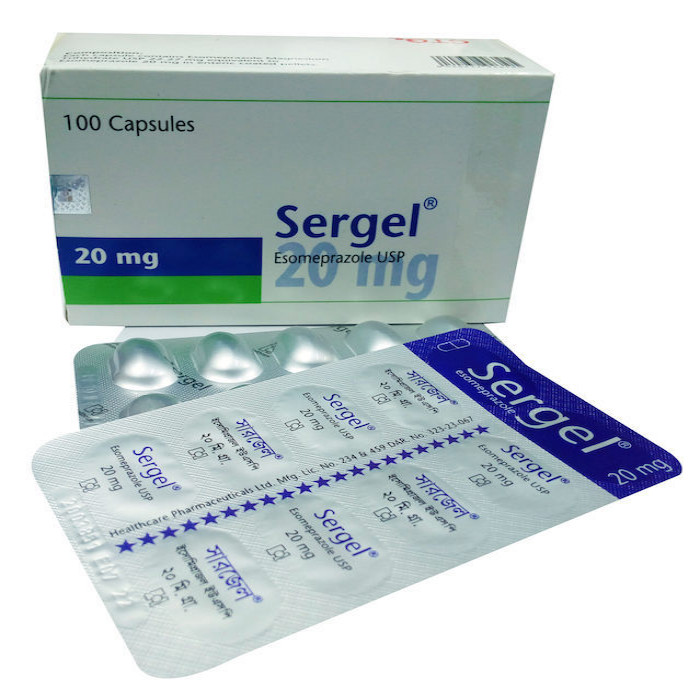
Sergel Capsule 20mg
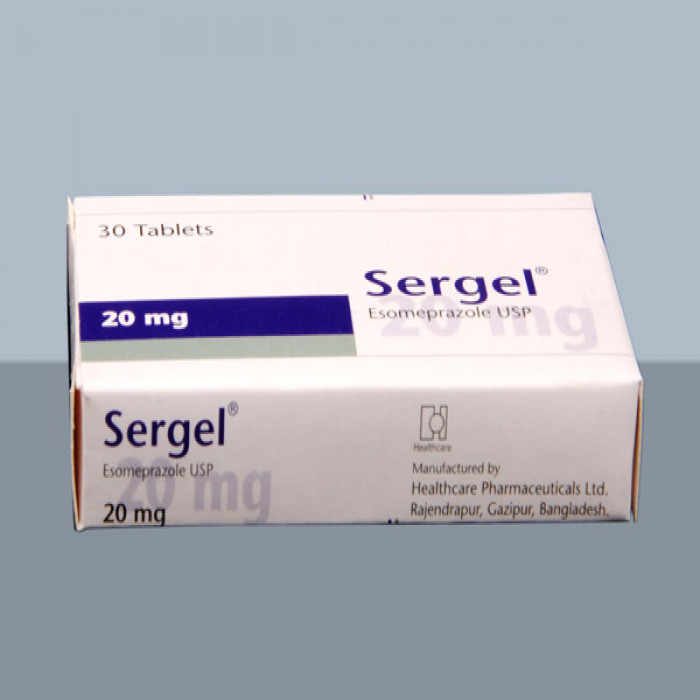
Sergel 20mg Tablet
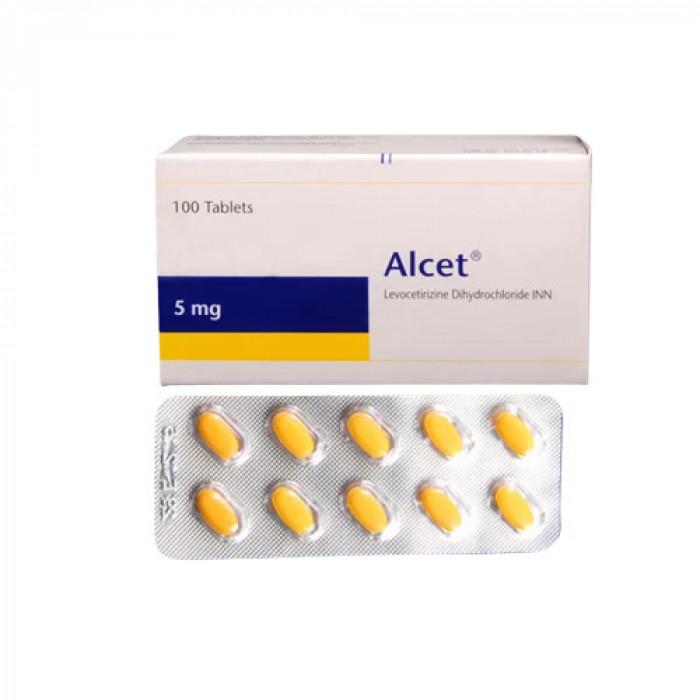
Alcet 5mg Tablet

Emistat 8mg Tablet
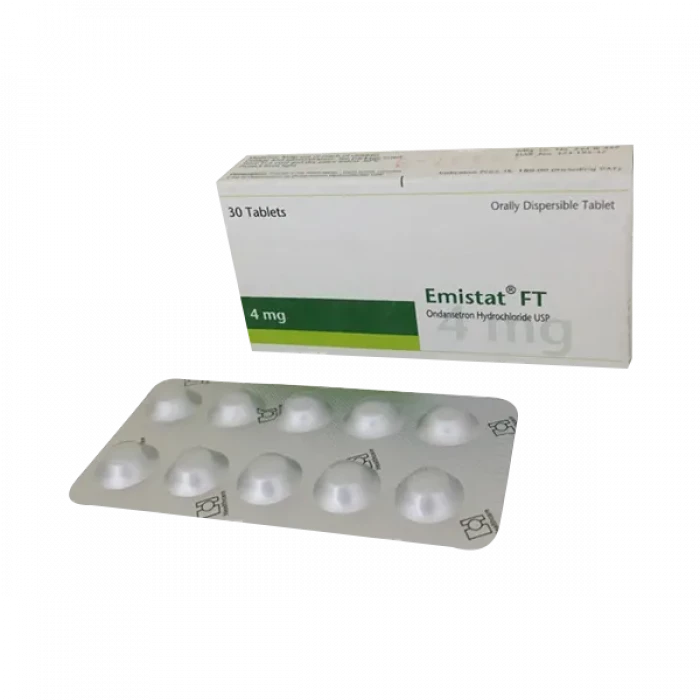
Emistat FT 4mg Tablet 10Pcs
Sergel Mups 20mg Tablet 10Pcs
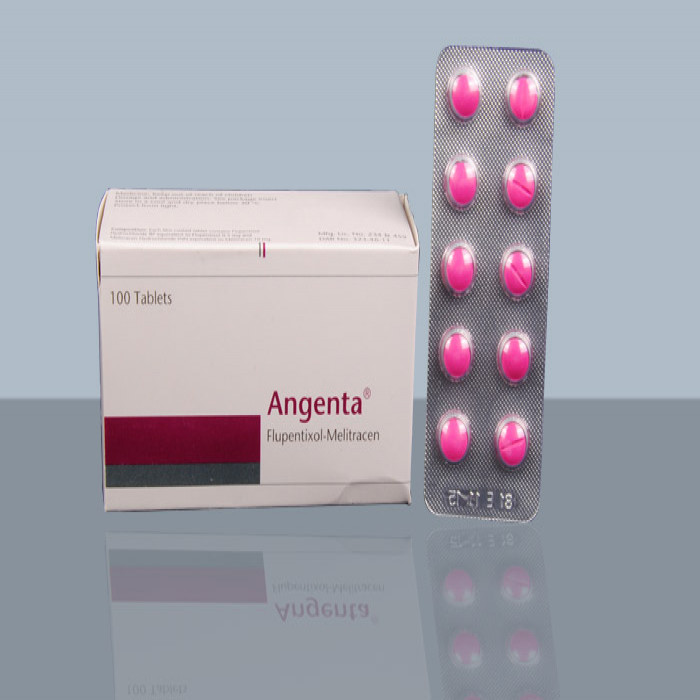
Angenta Tablet
✔️ Dosage & Administration
Treatment Duration
Data are insufficient to support the 100 mg dose beyond 35 days
Renal & Hepatic Impairment
No dose adjustment required for mild, moderate, or severe hepatic impairment
No dose adjustment required for any degree of renal impairment, including dialysis
Other Special Populations
No dose adjustment required based on age, gender, body weight, ethnicity, HIV status, or elderly status
Adult & Pediatric Dosage (≥1 Month of Age)
Candidemia and Other Candida Infections
Adults
200 mg loading dose on Day 1
Followed by 100 mg once daily
Continue for at least 14 days after the last positive culture
Pediatrics (≥1 month)
3 mg/kg loading dose (maximum 200 mg) on Day 1
Followed by 1.5 mg/kg once daily (maximum 100 mg)
Continue for at least 14 days after the last positive culture
Esophageal Candidiasis
Adults
100 mg loading dose on Day 1
Followed by 50 mg once daily
Treat for a minimum of 14 days and at least 7 days after symptom resolution
Pediatrics
Not approved
Method of Administration
For intravenous use only
Reconstitute with water for injection to a concentration of 3.33 mg/mL
Further dilute to 0.77 mg/mL
Infusion rate must not exceed 1.1 mg/min
Do not administer as a bolus injection
✔️ Pregnancy & Lactation
No adequate data are available regarding use in pregnant women
Unknown whether anidulafungin is excreted in human milk
Effects on breastfed infants and milk production are unknown
Use only if clearly necessary and under medical supervision
✔️ Adverse Effects
Commonly reported adverse reactions include:
- Hypokalemia
- Nausea, vomiting, diarrhea
- Dyspepsia, abdominal pain
- Fever
- Insomnia
- Hypotension
- Headache
- Anemia
- Thrombocytopenia
✔️ Drug Interactions
Co-administration with cyclosporine, tacrolimus, rifampin, voriconazole, or amphotericin B does not significantly affect the pharmacokinetics of Anidula®.
No dosage adjustment is required when used with these agents.
✔️ Contraindications
Known hypersensitivity to anidulafungin, any formulation component, or other echinocandins
✔️ Precautions & Warnings
Hepatic Effects
Risk of abnormal liver function tests, hepatitis, and hepatic failure
Monitor liver function during therapy
Hypersensitivity Reactions
Anaphylaxis, including shock, has been reported
Infusion-related reactions (rash, urticaria, flushing, pruritus, bronchospasm, dyspnea, hypotension) may occur
Do not exceed an infusion rate of 1.1 mg/min
Neonatal Toxicity (Polysorbate 80)
Contains polysorbate 80
Serious adverse effects reported in low-birth-weight infants receiving high doses
Not approved for pediatric patients <1 month of age
Hereditary Fructose Intolerance (HFI)
Contains fructose
Risk of severe metabolic reactions including hypoglycemia, lactic acidosis, and hepatic failure
Obtain history of HFI before administration in pediatric patients
Overdose
A single 400 mg loading dose was inadvertently administered during clinical trials
No clinically significant adverse effects were observed
✔️ Reconstitution & Dilution
Reconstitute with water for injection
Further dilute only with:
5% Dextrose
0.9% Sodium Chloride (Normal Saline)
Final concentration: 0.77 mg/mL
Transfer aseptically into an IV infusion bag or bottle
✔️ Storage Conditions
Unreconstituted vial: Store at 2–8°C; do not freeze
Reconstituted vial: Store up to 25°C for 24 hours; do not freeze
Infusion solution: Store up to 25°C for 48 hours; do not freeze
⚠️Disclaimer:
At ePharma, we’re committed to providing accurate and accessible health information. However, all content is intended for informational purposes only and should not replace medical advice from a qualified physician. Please consult your healthcare provider for personalized guidance. We aim to support, not substitute, the doctor-patient relationship.
📦Pricing Information, Availability:
Product Availability & Pricing Notice
Please note that pricing, availability, and service offerings are subject to change due to: Market fluctuations, Manufacturer or supplier adjustments, Product discontinuation or temporary unavailability, Advertising errors. All orders depend on stock availability and staff resources. If services are provided on a time-and-materials basis, any shared estimates are for planning purposes only.

Reliable
All products displayed on ePharma are procured from govt. approved pharmaceuticals and verified licensed pharmacies from 2016.

Secure
ePharma uses Secure Sockets Layer (SSL) 128-bit 🔒 encryption and is Payment Card Industry DataSecurity Standard (PCI DSS) compliant.

Affordable
Find affordable medicine substitutes, save up to 50% on health products, up to 30% off on doctor consultations.

Social
Providing health care services under the health and beauty category with more than 170K Facebook audience and 10M+ reach.







Get more features!
Download the app now
✓ Doctor consultation ✓ 24/7 helpline