


✔ 100% Authentic Product
👁️ Viewed 794 times
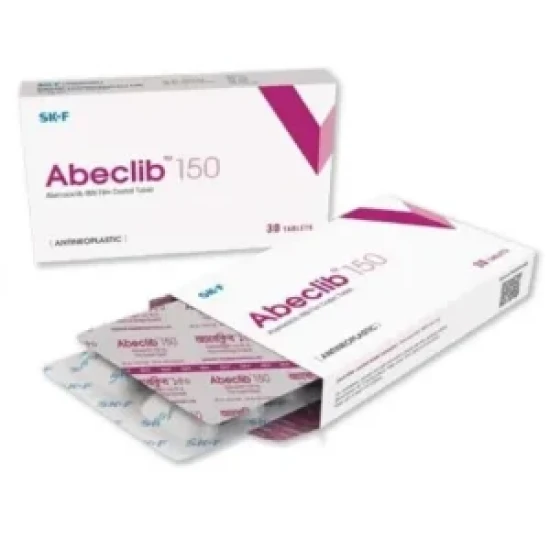
Abeclib 150 Tablet 1 Strip
Abemaciclib is a selective inhibitor of cyclin-dependent kinases (CDK) 4 and 6. These kinases, when activated by cyclin D, play a key role in regulating cell cycle progression. In estrogen receptor–positive breast cancer cells, CDK4/6-mediated phosphorylation of the retinoblastoma (Rb) protein promotes transition from the G1 to the S phase, leading to tumor cell proliferation. By inhibiting CDK4/6, abemaciclib suppresses cell cycle progression and tumor growth.
Discount Price: ৳ 8,930
MRP:
৳
9500
6%
off

100% Genuine Products, Guaranteed

Safe & Secure Payments, Always

Fast, Secure & Efficient Delivery

Proper Packaging
 Cash on Delivery - All over Bangladesh
 Regular Delivery: 24-48 Hours, Dhaka City* Charge Tk.39-59
- Regular Delivery: 48-96 Hours, Other Cities* Charge Tk.99-125
 ফ্রি ডেলিভারিঃ - ১৪৯৯ টাকা+ অর্ডারে, ঢাকা
শহরে
ফ্রি ডেলিভারিঃ - ১৪৯৯ টাকা+ অর্ডারে, ঢাকা
শহরে- ফ্রি ডেলিভারিঃ - ৪৯৯৯ টাকা+ অর্ডারে, ঢাকার
বাহিরে
📲 মোবাইল অ্যাপ অর্ডারে সাশ্রয় বেশী
-
Google Play Store থেকে ডাউনলোড
-
Apple Store থেকে ডাউনলোড
100% Genuine Products, Guaranteed
Safe & Secure Payments, Always
Fast, Secure & Efficient Delivery
Proper Packaging
- Cash on Delivery - All over Bangladesh
- Regular Delivery: 24-48 Hours, Dhaka City* Charge Tk.39-59
- Regular Delivery: 48-96 Hours, Other Cities* Charge Tk.99-125
- ফ্রি ডেলিভারিঃ - ১৪৯৯ টাকা+ অর্ডারে, ঢাকা
শহরে
- ফ্রি ডেলিভারিঃ - ৪৯৯৯ টাকা+ অর্ডারে, ঢাকার
বাহিরে
- Google Play Store থেকে ডাউনলোড
- Apple Store থেকে ডাউনলোড
📲 মোবাইল অ্যাপ অর্ডারে সাশ্রয় বেশী
✅ Description:
Abeclib 150 mg Tablet is indicated for the treatment of hormone receptor–positive (HR+), human epidermal growth factor receptor 2–negative (HER2−) advanced or metastatic breast cancer in adults.
May be taken with or without food
Patients should be advised to take the medication at approximately the same time each day to maintain consistent drug levels

More From SK+F
Popular products from this manufacturer/brand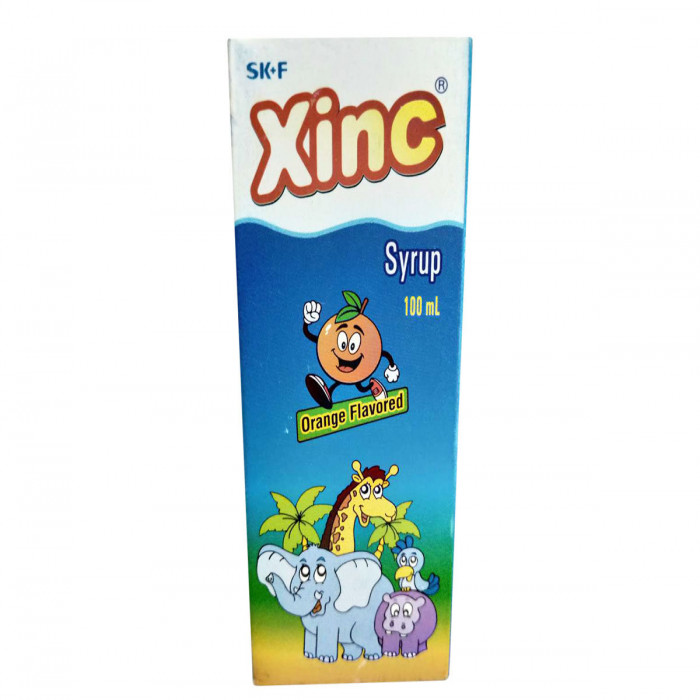
Xinc Syrup
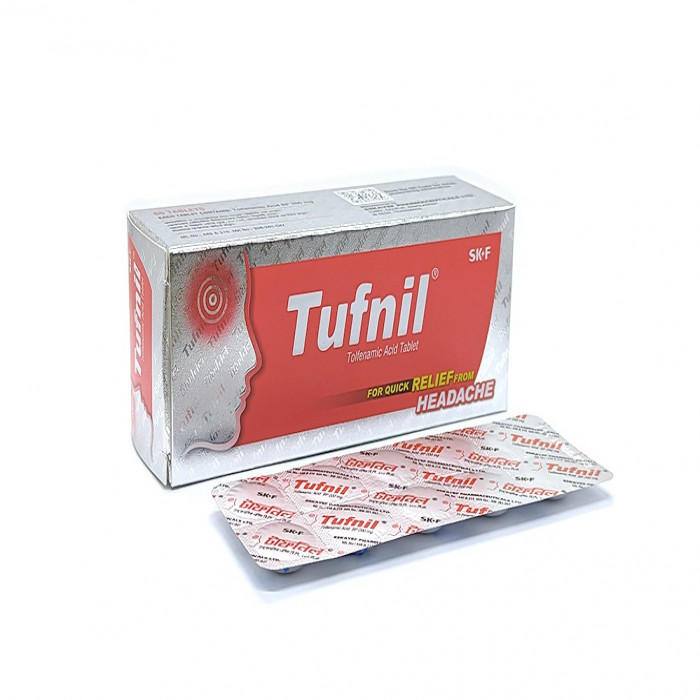
Tufnil 200mg Tablet
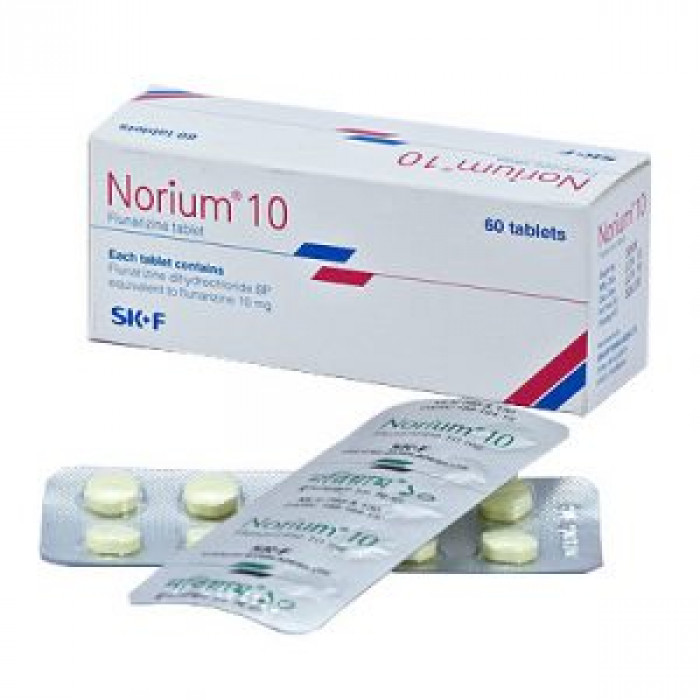
Norium 10mg Tablet
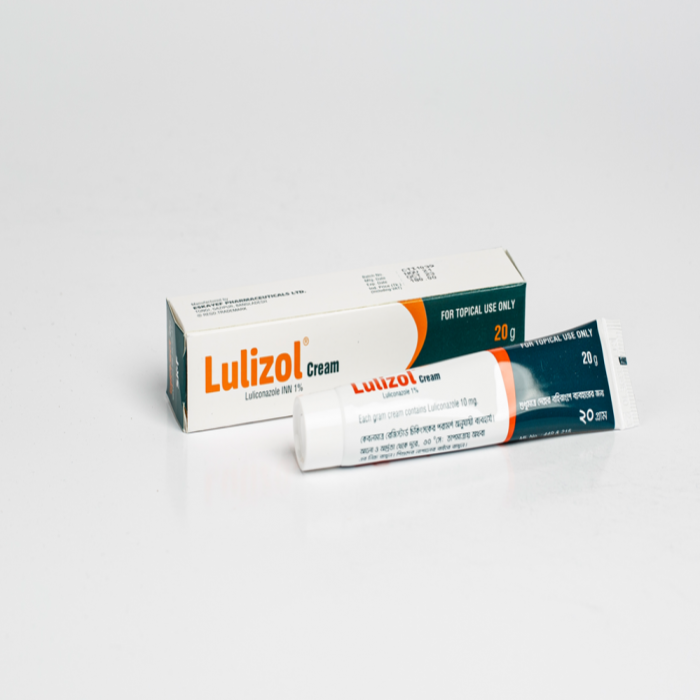
Lulizol 1% Cream 20gm
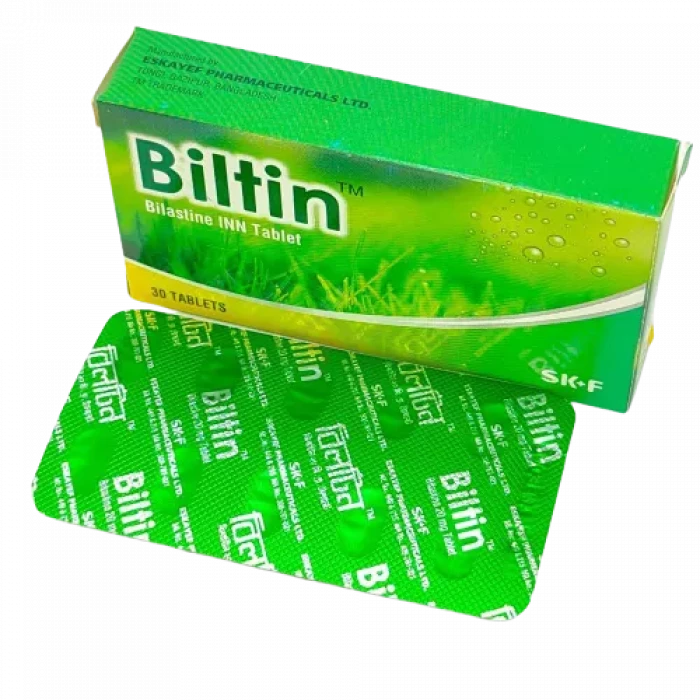
Biltin 20mg Tablet
Dumax 30mg Tablet
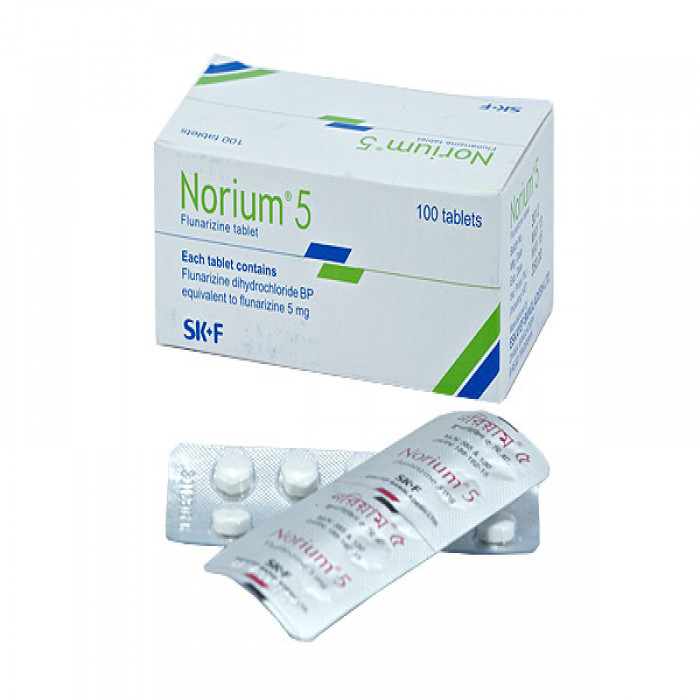
Norium 5mg Tablet
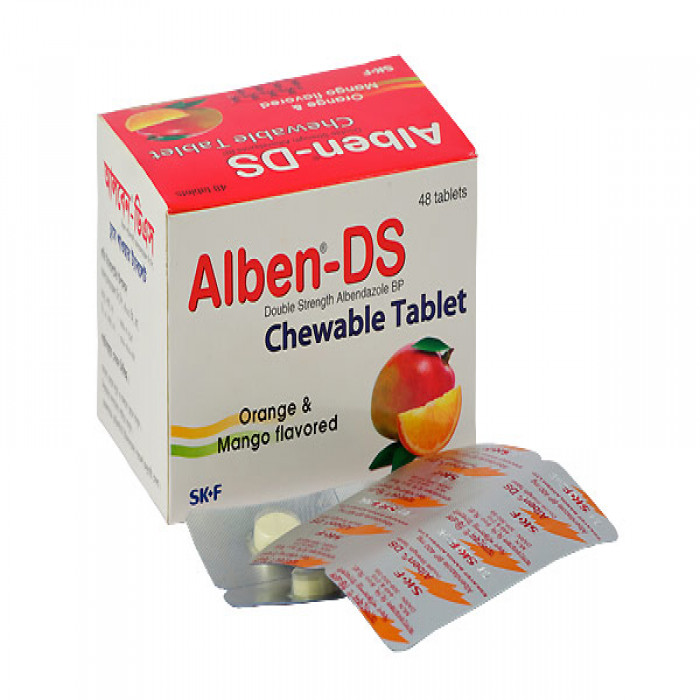
Alben-DS 400mg Chewable Tablet
Related Posts

✔️ Adverse Effects | Abeclib 150 Tablet
Very Common (>10%) – Monotherapy
- Increased serum creatinine
- Diarrhea
- Decreased white blood cells and neutrophils
- Anemia
- Fatigue
- Nausea
- Reduced appetite
- Thrombocytopenia
- Abdominal pain
- Vomiting
- Infections
- Elevated ALT and AST
- Headache
- Constipation
- Arthralgia
- Alopecia
- Dizziness
- Pyrexia
Very Common (>10%) – Combination Therapy
- Increased creatinine
- Leukopenia and neutropenia
- Diarrhea
- Anemia
- Lymphopenia
- Thrombocytopenia
- Fatigue
- Nausea and vomiting
- Infections
- Elevated liver enzymes
- Decreased appetite
- Headache
- Dysgeusia
- Alopecia
- Stomatitis
- Peripheral edema
- Rash
✔️ Dosage & Administration | Abeclib 150 Tablet
Adult Dosage
Breast Cancer
Abeclib is indicated in the following settings:
- As monotherapy in HR+/HER2− advanced or metastatic breast cancer with disease progression following endocrine therapy
- In combination with fulvestrant for patients with disease progression after endocrine therapy
- In combination with an aromatase inhibitor as initial endocrine-based therapy in postmenopausal women with HR+/HER2− advanced or metastatic breast cancer
Recommended Doses
Monotherapy
Abemaciclib 200 mg orally twice daily
Continue until disease progression or unacceptable toxicity
Combination with Aromatase Inhibitor
Abemaciclib 150 mg orally twice daily
Aromatase inhibitor: as per prescribing information
Continue until disease progression or unacceptable toxicity
Combination with Fulvestrant
Abemaciclib 150 mg orally twice daily
Fulvestrant 500 mg intramuscularly on Days 1, 15, and 29, followed by once monthly
Continue until disease progression or unacceptable toxicity
Hepatic Impairment
Mild to moderate (Child-Pugh A or B): No dose adjustment required
Severe (Child-Pugh C): Reduce dosing frequency to once daily
Renal Impairment
Mild to moderate renal impairment (CrCl 30–89 mL/min): No dose adjustment required
Severe renal impairment, ESRD, or dialysis: Not studied
✔️ Drug Interactions
Ketoconazole: Avoid coadministration
Other strong CYP3A inhibitors: Dose reduction required
Strong CYP3A inducers: Avoid coadministration
✔️ Pregnancy, Lactation & Fertility
Pregnancy
There are no adequate human data. Based on animal studies and its mechanism of action, abemaciclib may cause fetal harm when administered during pregnancy. Pregnancy testing is recommended prior to initiation. Women of reproductive potential should use effective contraception during treatment and for at least 3 weeks after the last dose.
Lactation
It is unknown whether abemaciclib is excreted in human breast milk. Due to the potential for serious adverse reactions in breastfed infants, breastfeeding should be discontinued during treatment and for 3 weeks after the final dose.
Fertility
Animal studies suggest potential impairment of male fertility.
✔️ Precautions & Warnings
Venous Thromboembolism (VTE)
Venous thromboembolic events, including deep vein thrombosis, pulmonary embolism, cerebral venous sinus thrombosis, and other serious venous occlusions, have been reported in patients receiving abemaciclib in combination with aromatase inhibitors or fulvestrant. Patients should be monitored closely for signs and symptoms of thromboembolism, and appropriate treatment should be initiated if necessary.
Hepatotoxicity
Elevations in liver transaminases have been observed during therapy.
Median onset of Grade ≥3 ALT elevation: ~57 days
Median onset of Grade ≥3 AST elevation: ~185 days
Regular liver function monitoring is recommended.
Neutropenia
Neutropenia has been reported, with Grade ≥3 neutropenia typically occurring within the first month of treatment. Febrile neutropenia is rare but serious cases, including fatal neutropenic sepsis, have been reported.
Diarrhea
Diarrhea is very common and typically occurs early in treatment, often within the first month. Severe diarrhea may lead to dehydration and infection. Prompt management with antidiarrheal therapy and dose adjustment is recommended.
⚠️Disclaimer:
At ePharma, we’re committed to providing accurate and accessible health information. However, all content is intended for informational purposes only and should not replace medical advice from a qualified physician. Please consult your healthcare provider for personalized guidance. We aim to support, not substitute, the doctor-patient relationship.
📦Pricing Information, Availability:
Product Availability & Pricing Notice
Please note that pricing, availability, and service offerings are subject to change due to: Market fluctuations, Manufacturer or supplier adjustments, Product discontinuation or temporary unavailability, Advertising errors. All orders depend on stock availability and staff resources. If services are provided on a time-and-materials basis, any shared estimates are for planning purposes only.



Reliable
All products displayed on ePharma are procured from govt. approved pharmaceuticals and verified licensed pharmacies from 2016.

Secure
ePharma uses Secure Sockets Layer (SSL) 128-bit 🔒 encryption and is Payment Card Industry DataSecurity Standard (PCI DSS) compliant.

Affordable
Find affordable medicine substitutes, save up to 50% on health products, up to 30% off on doctor consultations.

Social
Providing health care services under the health and beauty category with more than 170K Facebook audience and 10M+ reach.







Get more features!
Download the app now
✓ Doctor consultation ✓ 24/7 helpline