


✔ ১০০% অরিজিনাল পণ্য
👁️ 2392 বার দেখা হয়েছে
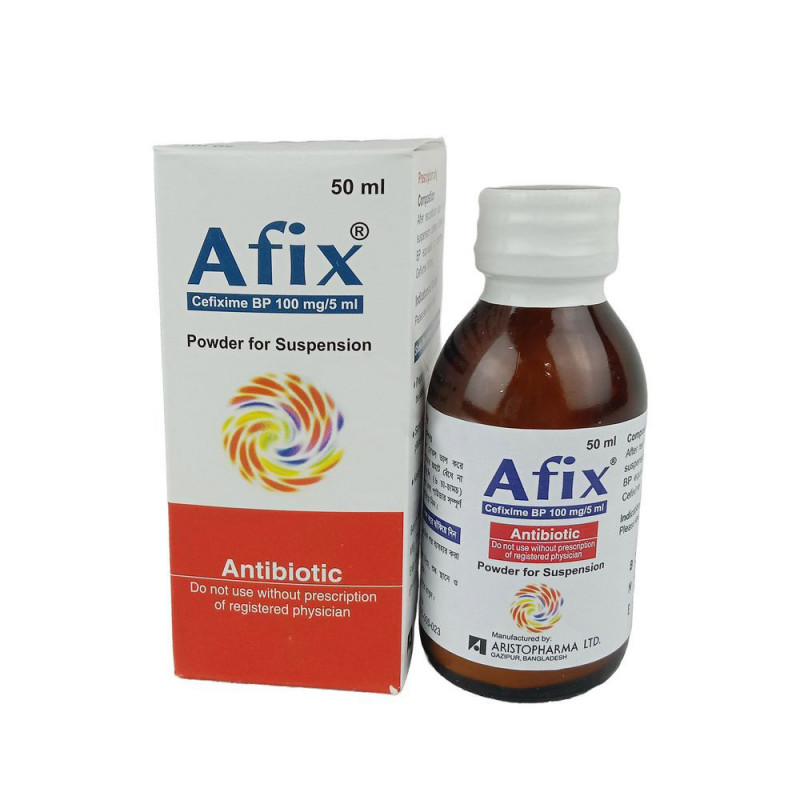
Afix Powder for Suspension | 50ml
Afix may be used to treat susceptible bacterial infections, including:
- Pneumonia
- Acute bronchitis
- Acute exacerbation of chronic bronchitis
- Pharyngitis and tonsillitis
- Sinusitis
- Otitis media
- Urinary tract infections
- Typhoid fever
- Gonococcal urethritis
- Selected respiratory tract infections
- Certain susceptible soft-tissue infections
- Children: Pediatric dosing should generally be based on body weight and prescribed by a healthcare professional.
- Elderly: Dose adjustment is not routinely required solely because of age, but renal function should be considered.
- Renal impairment: Dose reduction may be necessary in significant renal dysfunction.
- Hepatic impairment: Use according to medical advice, particularly in patients with significant liver disease.
অফার মূল্য: ৳ 216
MRP:
৳
230
6%
ছাড়

১০০% অরিজিনাল পণ্যের নিশ্চয়তা

Safe & Secure Payments, Always

Fast, Secure & Efficient Delivery

Proper Packaging
 Cash on Delivery - All over Bangladesh
 Regular Delivery: 24-48 Hours, Dhaka City* Charge Tk.39-59
- Regular Delivery: 48-96 Hours, Other Cities* Charge Tk.99-125
 ফ্রি ডেলিভারিঃ - ১৪৯৯ টাকা+ অর্ডারে, ঢাকা
শহরে
ফ্রি ডেলিভারিঃ - ১৪৯৯ টাকা+ অর্ডারে, ঢাকা
শহরে- ফ্রি ডেলিভারিঃ - ৪৯৯৯ টাকা+ অর্ডারে, ঢাকার
বাহিরে
📲 মোবাইল অ্যাপ অর্ডারে সাশ্রয় বেশী
-
Google Play Store থেকে ডাউনলোড
-
Apple Store থেকে ডাউনলোড
১০০% অরিজিনাল পণ্যের নিশ্চয়তা
Safe & Secure Payments, Always
Fast, Secure & Efficient Delivery
Proper Packaging
- Cash on Delivery - All over Bangladesh
- Regular Delivery: 24-48 Hours, Dhaka City* Charge Tk.39-59
- Regular Delivery: 48-96 Hours, Other Cities* Charge Tk.99-125
- ফ্রি ডেলিভারিঃ - ১৪৯৯ টাকা+ অর্ডারে, ঢাকা
শহরে
- ফ্রি ডেলিভারিঃ - ৪৯৯৯ টাকা+ অর্ডারে, ঢাকার
বাহিরে
- Google Play Store থেকে ডাউনলোড
- Apple Store থেকে ডাউনলোড
📲 মোবাইল অ্যাপ অর্ডারে সাশ্রয় বেশী
✅ বিবরণ:
Afix contains cefixime, a third-generation cephalosporin antibiotic used to treat a range of infections caused by susceptible bacteria. It may be prescribed for infections involving the respiratory tract, throat, ears, sinuses, urinary tract, and certain sexually transmitted infections.
Afix works by interfering with the formation of the bacterial cell wall, causing susceptible bacteria to die. It is not effective against viral infections such as the common cold or influenza.
Take Afix exactly as prescribed and complete the entire course, even if your symptoms improve before the treatment is finished. Stopping an antibiotic too early may allow bacteria to survive and can cause the infection to return or become more difficult to treat.
Afix may be taken with or without food. Taking it with food or milk may help reduce stomach discomfort. Common side effects include diarrhea, nausea, abdominal pain, indigestion, and vomiting. These are usually mild and temporary, but persistent or severe symptoms should be reported to your doctor.
Before starting Afix, inform your doctor if you have previously experienced an allergy to cephalosporins or penicillin-type antibiotics, or if you have kidney or gastrointestinal problems. Also inform your doctor about all other medicines you are taking.
- Take Afix exactly as prescribed and complete the entire antibiotic course.
- Do not stop treatment early simply because your symptoms have improved.
- Afix treats bacterial infections and does not work against viral illnesses such as flu or the common cold.
- Taking the medicine with food or milk may help reduce stomach upset.
- Diarrhea can occur during treatment. Contact your doctor if it becomes severe, persistent, or contains blood.
- Tell your doctor if you have previously had an allergic reaction to penicillins or cephalosporin antibiotics.
- Inform your doctor if you have kidney disease, gastrointestinal disease, or a history of antibiotic-associated colitis.
- Seek urgent medical attention if you develop rash, facial swelling, breathing difficulty, or other signs of a serious allergic reaction.
- Avoid unnecessary antibiotic use because inappropriate use can contribute to antibiotic resistance.
- Tell your doctor about all medicines you are taking, especially anticoagulants.

প্রাসঙ্গিক পণ্য
একই জেনেরিকের বিকল্প পণ্য, গ্রাহকের আগ্রহ অনুযায়ী সাজানো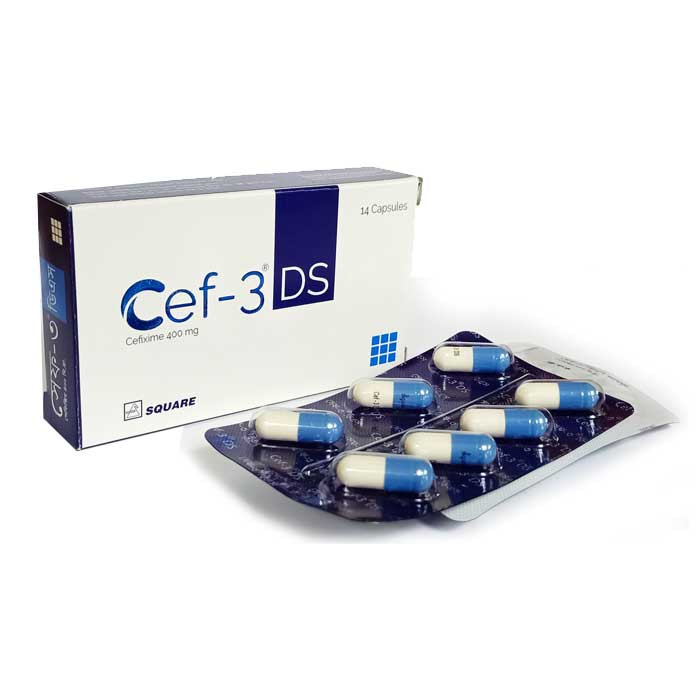
Cef-3 DS 400mg Capsule 7Pcs
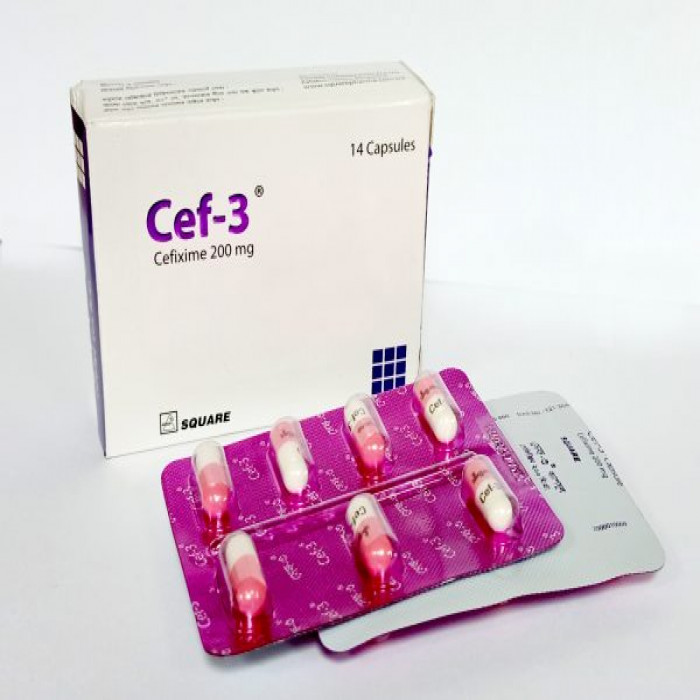
Cef-3 200mg Capsule
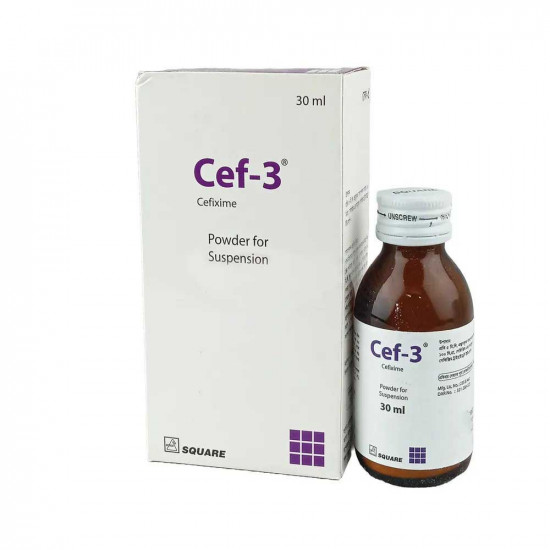
Cef-3 Powder for Suspension 30ml
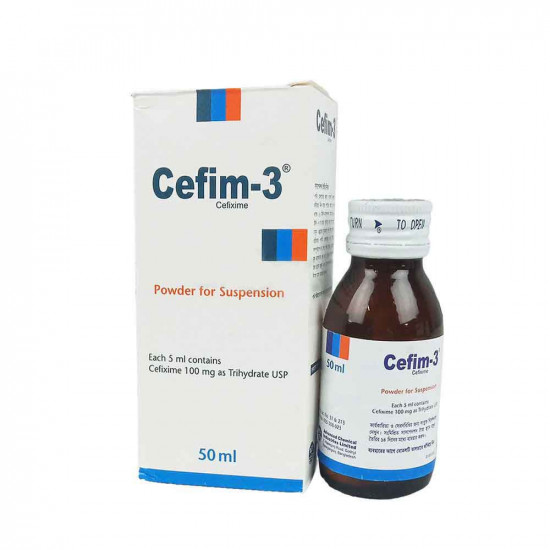
Cefim-3 Powder for Suspension | 50ml
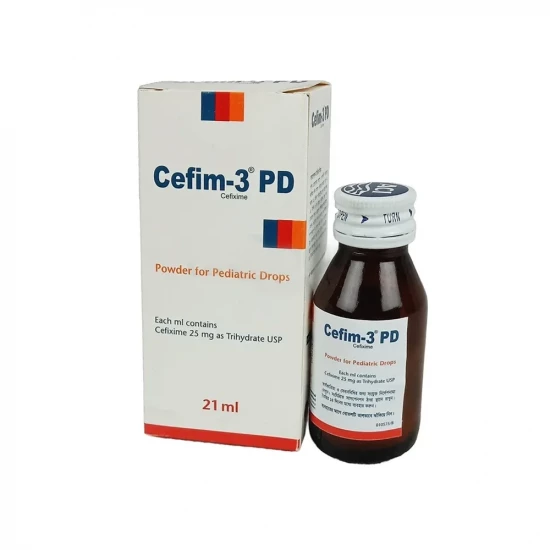
Cefim-3 Powder For Pediatric Drops | 21ml Bottle
Cef-3 Forte Powder for Suspension 50ml
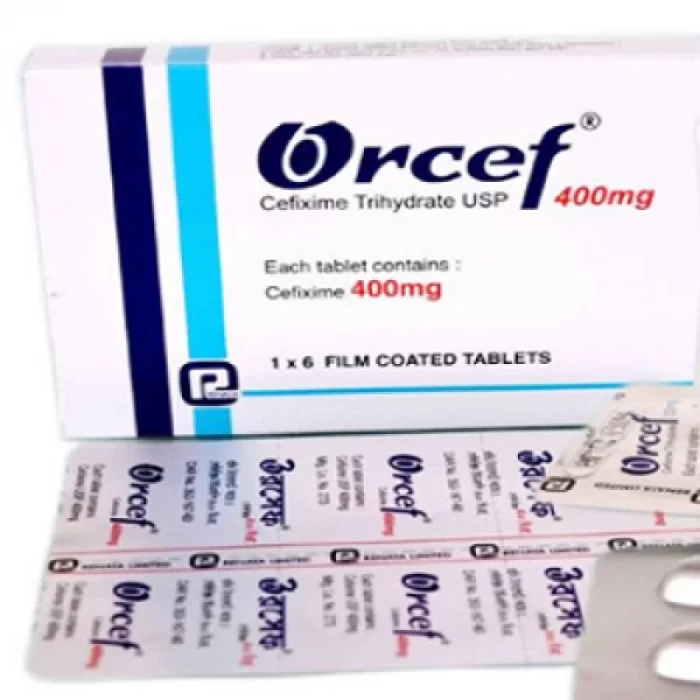
Orcef 400mg Capsule 6pcs
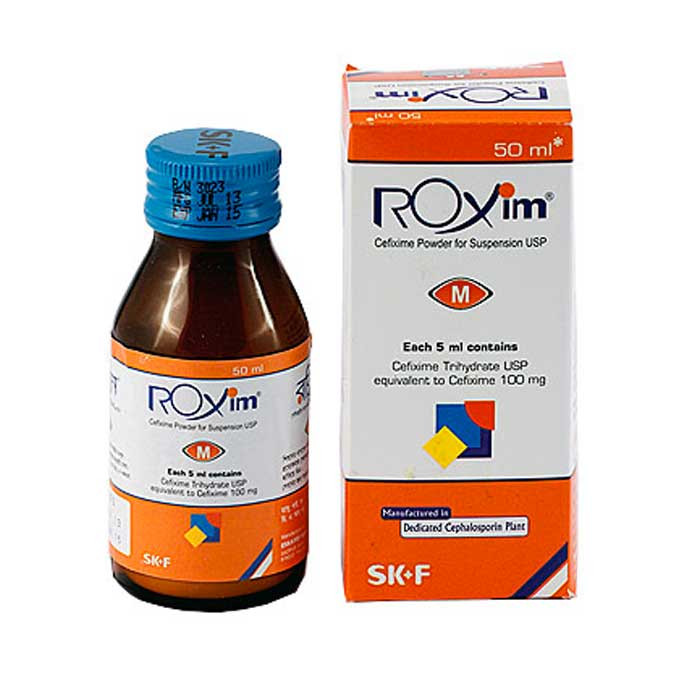
Roxim Powder for Suspension 50ml (100mg/5ml)
Aristopharma Limited-এর আরও পণ্য
এই প্রস্তুতকারক বা ব্র্যান্ডের জনপ্রিয় পণ্য
Ketozol 2% Medicated Anti-Dandruff Scalp Shampoo 100ml

Neobion 100mg+200mg+200mcg Tablet

Rupa 10mg Tablet
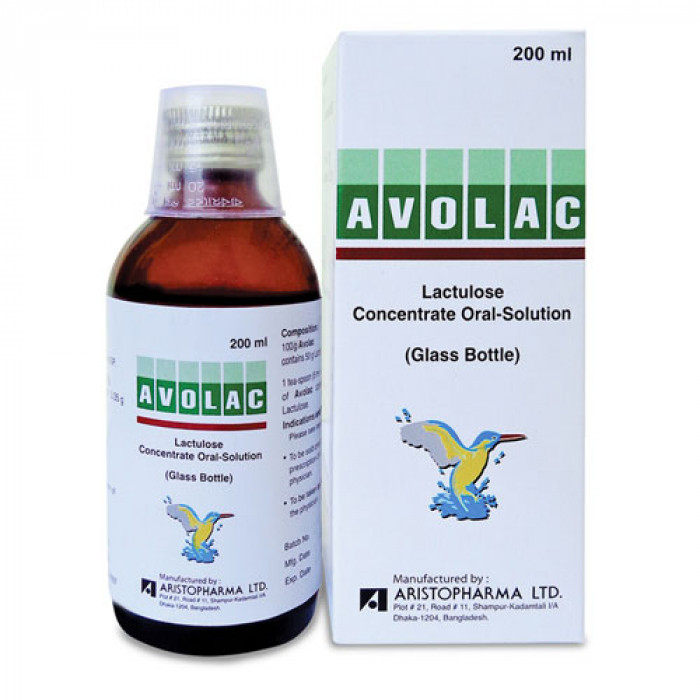
Avolac Oral Solution 200ml
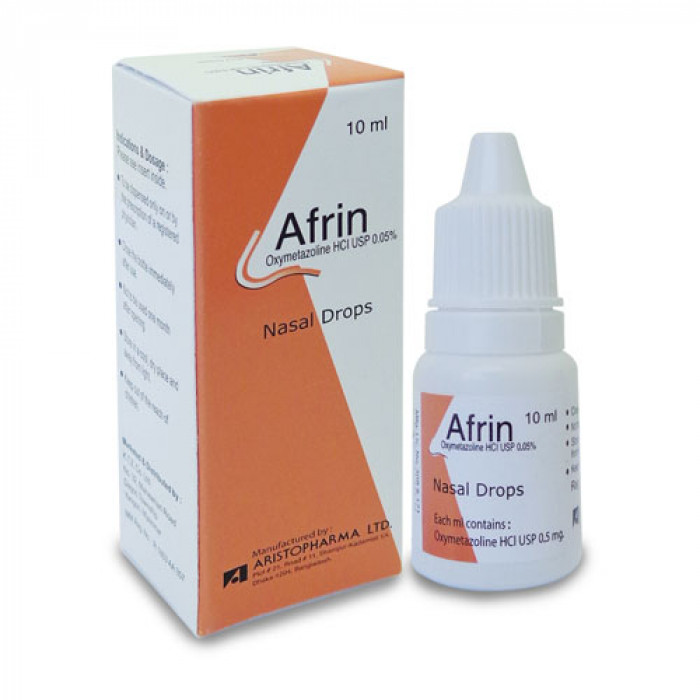
Afrin 0.05% Nasal Drops

Rabe 20mg Tablet
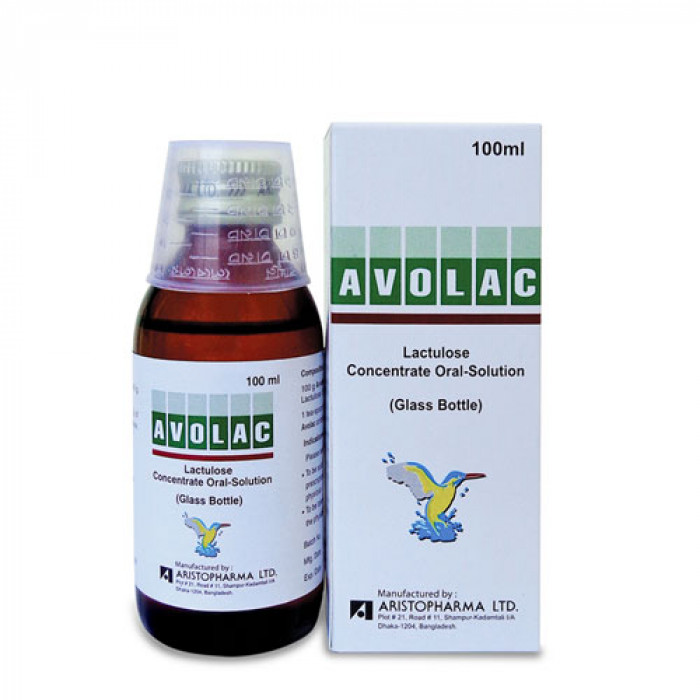
Avolac Oral Solution 100ml

Optimox Eye Drops 0.5%
সম্পর্কিত লেখা

✔️ Side Effects: Cefixime
- Diarrhea
- Nausea
- Abdominal or stomach pain
- Indigestion
- Vomiting
- Flatulence
✔️ Adult Dose | Cefixime Trihydrate 100 mg/5 ml
Acute Bronchitis, Acute Exacerbation of Chronic Bronchitis, Otitis Media, Pharyngitis/Tonsillitis and Uncomplicated UTI
Adults: 200–400 mg daily, either as a single dose or divided into two doses, according to the infection and doctor's prescription.
Gonorrhea
400 mg as a single oral dose may be used for uncomplicated gonococcal urethritis when appropriate.
Typhoid Fever
The dose may be approximately 20 mg/kg/day, divided into two doses. Treatment is commonly given for around 7 days and may be extended up to 14 days depending on the severity and clinical response.
The exact antibiotic regimen should be selected according to the infection, bacterial susceptibility, patient characteristics, and local treatment guidelines.
✔️ Child Dose | Cefixime Trihydrate 100 mg/5 ml
For children, dosing is generally based on body weight.
- Children: approximately 8 mg/kg/day, given once daily or divided into two doses.
- In selected serious infections, higher doses may be prescribed by a specialist.
- Children over 12 years or weighing ≥50 kg: adult dosing may be used when appropriate.
- For pediatric suspension, the dose should be measured accurately using the supplied measuring device.
Typhoid Fever in Children
Approximately 15–20 mg/kg/day, divided into two doses, may be used for 7–14 days, according to medical advice. The maximum daily dose should not exceed the recommended adult dose.
Children below 6 months: Safety and effectiveness have not been adequately established, and use should be determined by a pediatrician.
✔️ Renal Dose | Cefixime Trihydrate 100 mg/5 ml
Dose adjustment may be necessary in patients with significant renal impairment.
For severe renal impairment, such as creatinine clearance below 20 mL/min, the maximum dose may need to be reduced to approximately 200 mg/day, depending on the clinical situation.
Patients with kidney disease should use cefixime only according to medical advice.
✔️ Afix should not be used in patients with:
- Known hypersensitivity to cefixime or other cephalosporin antibiotics
- Previous serious allergic reaction to beta-lactam antibiotics, unless specifically evaluated by a physician
✔️ Use Afix cautiously in patients with:
- Previous allergy to penicillins or other beta-lactam antibiotics
- Kidney impairment
- Gastrointestinal disease
- Previous antibiotic-associated colitis
- Severe or persistent diarrhea
Prolonged antibiotic therapy may promote the overgrowth of non-susceptible organisms, including fungi. If a secondary infection develops, appropriate treatment should be considered by the physician.
Afix should be used only when a bacterial infection is suspected or confirmed to reduce unnecessary antibiotic exposure and antimicrobial resistance
✔️ Pregnancy & Lactation
Available clinical experience with cephalosporin antibiotics, including cefixime, has not established an increased risk of major birth defects or miscarriage. However, Afix should be used during pregnancy only when prescribed by a healthcare professional.
It is not fully established how much cefixime passes into human breast milk. Breastfeeding patients should consult their doctor before using Afix, who will weigh the benefits of treatment against any potential risk to the infant.
✔️ Afix may interact with certain medicines:
- Probenecid: May increase cefixime concentrations.
- Anticoagulants: Cefixime may increase prothrombin time and may enhance the effect of anticoagulant therapy in some patients.
✔️ Storage:
- Store according to the manufacturer's instructions.
- Keep in a dry place away from excessive heat and moisture.
- Protect from direct light.
- Keep out of reach of children.
- Do not use after the expiry date.
⚠️Disclaimer:
At ePharma, we’re committed to providing accurate and accessible health information. However, all content is intended for informational purposes only and should not replace medical advice from a qualified physician. Please consult your healthcare provider for personalized guidance. We aim to support, not substitute, the doctor-patient relationship.
📦Pricing Information, Availability:
Product Availability & Pricing Notice
Please note that pricing, availability, and service offerings are subject to change due to: Market fluctuations, Manufacturer or supplier adjustments, Product discontinuation or temporary unavailability, Advertising errors. All orders depend on stock availability and staff resources. If services are provided on a time-and-materials basis, any shared estimates are for planning purposes only.



নির্ভরযোগ্য
All products displayed on ePharma are procured from govt. approved pharmaceuticals and verified licensed pharmacies from 2016.

নিরাপদ
ePharma uses Secure Sockets Layer (SSL) 128-bit 🔒 encryption and is Payment Card Industry DataSecurity Standard (PCI DSS) compliant.

সাশ্রয়ী
Find affordable medicine substitutes, save up to 50% on health products, up to 30% off on doctor consultations.

সামাজিক
Providing health care services under the health and beauty category with more than 170K Facebook audience and 10M+ reach.







Get more features!
Download the app now
✓ Doctor consultation ✓ 24/7 helpline