


✔ ১০০% অরিজিনাল পণ্য
👁️ 2308 বার দেখা হয়েছে
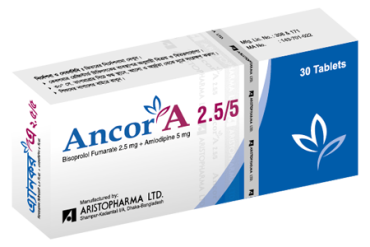
Ancor A 2.5/5mg Tablet 1 Strip
Ancor-A Tablet is a combination of amlodipine and bisoprolol fumarate, belonging to the antihypertensive class of medicines. It is indicated for the treatment of hypertension in patients whose blood pressure is already adequately controlled with the same doses of amlodipine and bisoprolol taken separately. This fixed-dose combination provides the convenience of taking both medicines in a single tablet.
Ancor-A is not recommended during pregnancy or breastfeeding unless specifically prescribed by a physician after careful assessment of the potential benefits and risks.
অফার মূল্য: ৳ 75
MRP:
৳
80
6%
ছাড়

১০০% অরিজিনাল পণ্যের নিশ্চয়তা

Safe & Secure Payments, Always

Fast, Secure & Efficient Delivery

Proper Packaging
 Cash on Delivery - All over Bangladesh
 Regular Delivery: 24-48 Hours, Dhaka City* Charge Tk.39-59
- Regular Delivery: 48-96 Hours, Other Cities* Charge Tk.99-125
 ফ্রি ডেলিভারিঃ - ১৪৯৯ টাকা+ অর্ডারে, ঢাকা
শহরে
ফ্রি ডেলিভারিঃ - ১৪৯৯ টাকা+ অর্ডারে, ঢাকা
শহরে- ফ্রি ডেলিভারিঃ - ৪৯৯৯ টাকা+ অর্ডারে, ঢাকার
বাহিরে
📲 মোবাইল অ্যাপ অর্ডারে সাশ্রয় বেশী
-
Google Play Store থেকে ডাউনলোড
-
Apple Store থেকে ডাউনলোড
১০০% অরিজিনাল পণ্যের নিশ্চয়তা
Safe & Secure Payments, Always
Fast, Secure & Efficient Delivery
Proper Packaging
- Cash on Delivery - All over Bangladesh
- Regular Delivery: 24-48 Hours, Dhaka City* Charge Tk.39-59
- Regular Delivery: 48-96 Hours, Other Cities* Charge Tk.99-125
- ফ্রি ডেলিভারিঃ - ১৪৯৯ টাকা+ অর্ডারে, ঢাকা
শহরে
- ফ্রি ডেলিভারিঃ - ৪৯৯৯ টাকা+ অর্ডারে, ঢাকার
বাহিরে
- Google Play Store থেকে ডাউনলোড
- Apple Store থেকে ডাউনলোড
📲 মোবাইল অ্যাপ অর্ডারে সাশ্রয় বেশী
✅ বিবরণ:
Amlodipine is a dihydropyridine calcium channel blocker. It reduces the movement of calcium ions into vascular smooth muscle cells, causing the blood vessels to relax and widen. This decreases peripheral vascular resistance and subsequently lowers blood pressure.
Bisoprolol fumarate is a selective beta-1 adrenergic receptor blocker. It primarily acts on the heart by reducing heart rate and cardiac workload. At therapeutic doses, it has considerably greater selectivity for beta-1 receptors than beta-2 receptors, helping to limit effects on the airways and metabolic processes.
Together, amlodipine and bisoprolol provide complementary blood-pressure-lowering effects.
- Elderly: Usual doses may generally be used, but additional caution is recommended when increasing the dose.
- Children and adolescents: The safety and effectiveness of the amlodipine/bisoprolol combination have not been established in patients below 18 years of age.
- Liver disease: Amlodipine may be eliminated more slowly in patients with hepatic impairment. It should therefore be used with particular caution. In severe hepatic impairment, the daily bisoprolol dose should not exceed 10 mg.
- Kidney disease: No dosage adjustment is generally required for mild to moderate renal impairment. Amlodipine is not removed by dialysis and should be used cautiously in patients undergoing dialysis. In severe renal impairment with creatinine clearance below 20 mL/min, the daily bisoprolol dose should not exceed 10 mg.

প্রাসঙ্গিক পণ্য
একই জেনেরিকের বিকল্প পণ্য, গ্রাহকের আগ্রহ অনুযায়ী সাজানো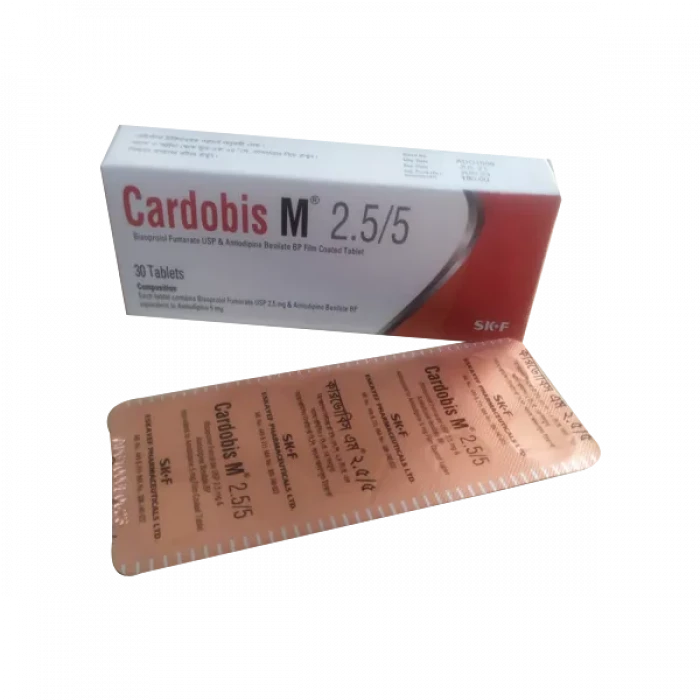
Cardobis M 2.5/5mg Tablet 10pcs

Amdocal Pro 2.5/52.5mg+5mg 10Pcs
Aristopharma Limited-এর আরও পণ্য
এই প্রস্তুতকারক বা ব্র্যান্ডের জনপ্রিয় পণ্য
Apetiz Syrup 200ml
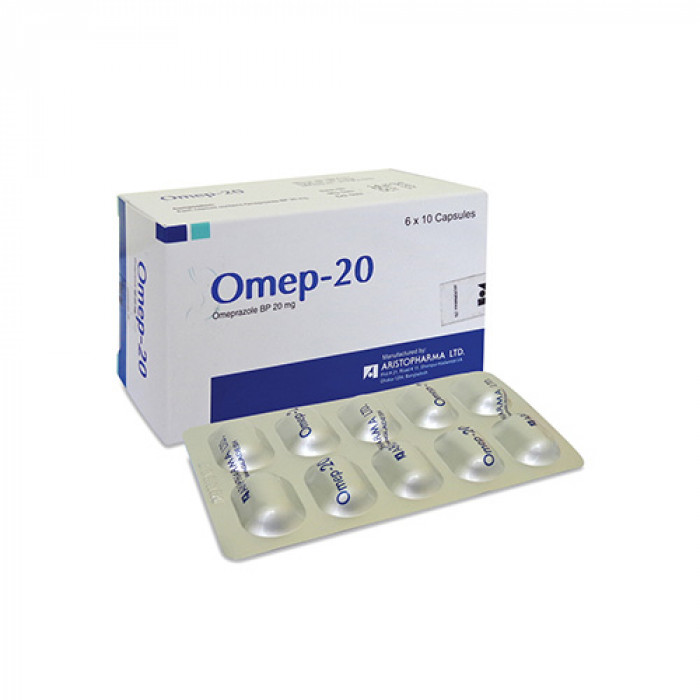
Omep 20mg Capsule 10Pcs
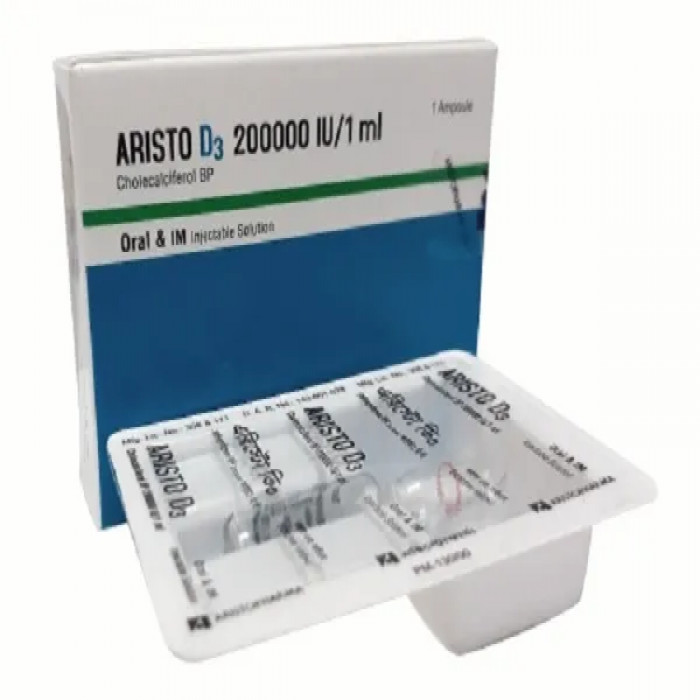
Aristo D3 200000 IU/1ml Injection
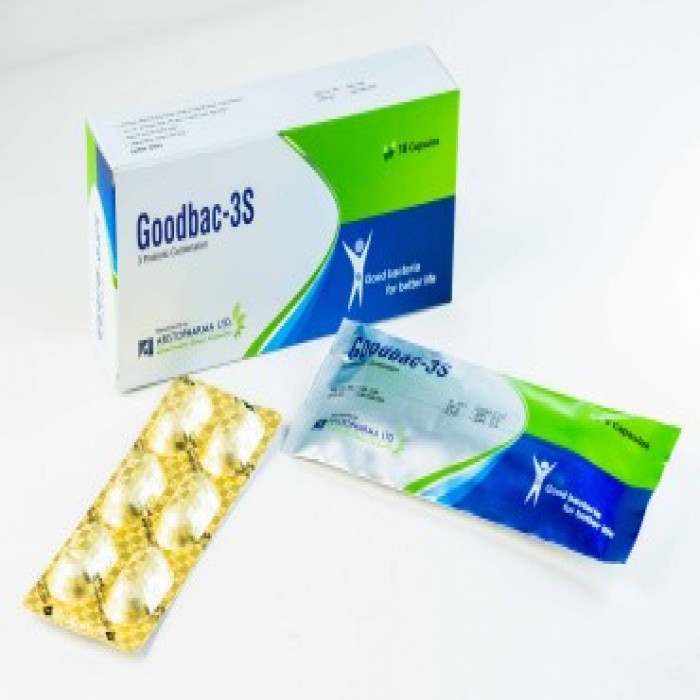
Goodbac -3S Capsule 4Billion
Audicare 0.3%+1%+0.025%+2% Ear Drops 10ml
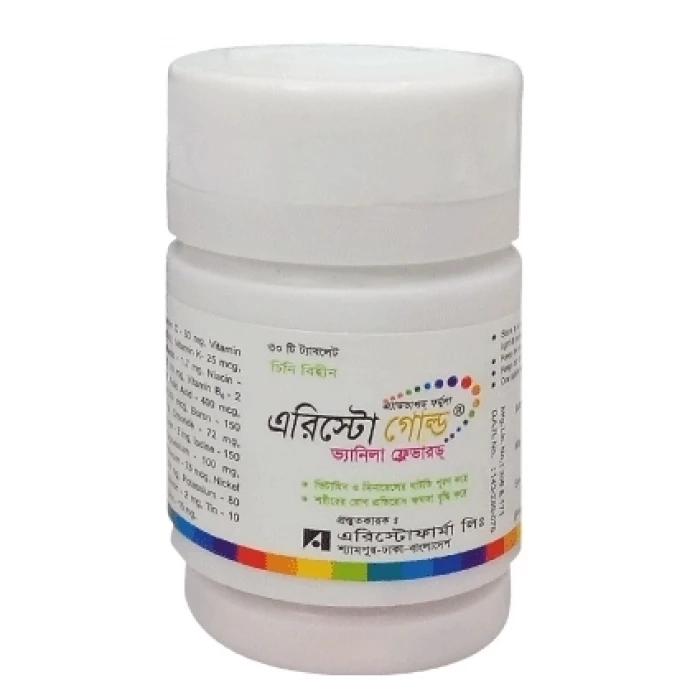
Aristo Gold Tablet (30pcs Pot)
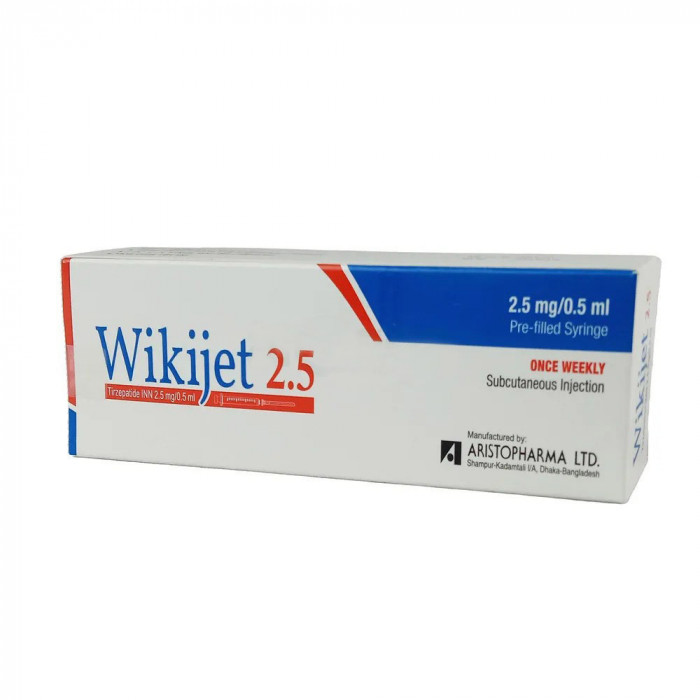
Wikijet 2.5mg/0.5ml Pre-Filled Syringe
Cutin 5mg Capsule 10pcs
সম্পর্কিত লেখা


✔️ Dosage & Administration
The usual dose is one tablet once daily, provided that the patient's blood pressure has already been adequately controlled with the same doses of amlodipine and bisoprolol administered as separate medicines.
Take the medicine exactly as prescribed by your doctor and preferably at the same time each day.
✔️ Overdose Effects
An overdose of bisoprolol may cause slow heart rate, low blood pressure, bronchospasm, acute heart failure, and low blood glucose.
Excessive amlodipine exposure may cause marked widening of blood vessels, potentially resulting in severe and prolonged hypotension, sometimes accompanied by reflex tachycardia. Severe overdose can be life-threatening.
If an overdose is suspected, seek immediate medical attention. Treatment generally involves stopping the medicine and providing appropriate supportive and symptomatic care.
✔️ Ancor-A Tablet is contraindicated in patients with:
- Acute or decompensated heart failure
- Cardiogenic shock
- Significant obstruction of the left ventricular outflow tract, such as severe aortic stenosis
- Second- or third-degree AV block
- Sick sinus syndrome or sinoatrial block
- Symptomatic bradycardia or hypotension
- Severe bronchial asthma
- Severe peripheral arterial occlusive disease
- Severe Raynaud's syndrome
- Untreated pheochromocytoma
- Metabolic acidosis
- Known hypersensitivity to bisoprolol, amlodipine, dihydropyridine derivatives, or any component of the medicine
✔️ Interaction
Ancor-A may interact with several medicines.
Combinations generally not recommended:
- Verapamil- or diltiazem-type calcium channel blockers
- Centrally acting antihypertensive medicines
Use with caution:
- Strong or moderate CYP3A4 inhibitors or inducers
- Simvastatin
- Tacrolimus
- Cyclosporine
- Class I and Class III antiarrhythmic medicines
- Parasympathomimetic drugs
- Other beta-blockers, including certain ophthalmic beta-blocker eye drops
- Insulin and oral antidiabetic medicines
- Anesthetic agents
- Digitalis glycosides
- NSAIDs
- Sympathomimetic medicines
- Other blood-pressure-lowering medicines
Other medicines that may require consideration include mefloquine, rifampicin, ergotamine derivatives, and MAO inhibitors other than MAO-B inhibitors.
✔️ Side Effects
Common side effects may include:
- Dizziness
- Headache
- Drowsiness
- Palpitations
- Flushing
- Coldness or numbness of the hands and feet
- Nausea, vomiting, diarrhea, constipation, or abdominal discomfort
- Ankle or peripheral edema
- Fatigue
Uncommon side effects may include:
- Insomnia or other sleep disturbances
- Anxiety or mood changes
- Depression
- Numbness or tingling sensations
- Tremor
- Taste disturbances
- Visual disturbances
- Tinnitus
- Slow heart rate
- Low blood pressure
- Fainting
- Worsening of pre-existing heart failure
- Shortness of breath or bronchospasm, particularly in susceptible patients
- Rhinitis
- Indigestion or dry mouth
- Skin reactions such as itching, rash, purpura, or hair loss
- Muscle or joint pain, muscle weakness, or cramps
- Urination-related problems
- Sexual dysfunction
- Chest pain
- General weakness or malaise
- Changes in body weight
Rare side effects may include:
- Allergic skin reactions
- Nightmares, hallucinations, or confusion
- Reduced tear production
- Hearing disturbances
- Allergic rhinitis
- Hepatitis
- Increased triglyceride levels
- Increased liver enzyme levels
✔️ Precautions & Warnings
Ancor-A should be used cautiously in patients with heart failure, as further deterioration of cardiac pumping function may occur.
Do not stop bisoprolol suddenly. Abrupt discontinuation may temporarily worsen the patient's condition, particularly in those with ischemic heart disease. Treatment should generally be reduced gradually under medical supervision.
Special caution is required in patients with:
- Liver impairment
- Bronchial asthma or chronic obstructive airway disease
- Bronchospasm
- Diabetes with significant fluctuations in blood glucose
- Strict fasting
- First-degree AV block
- Prinzmetal's angina
- Peripheral arterial disease
- Psoriasis or a history of psoriasis
- Ongoing desensitization therapy
Bisoprolol may mask some symptoms of hypoglycemia and thyrotoxicosis. Patients with diabetes should monitor their blood glucose regularly.
If surgery requiring general anesthesia is planned, inform the anesthetist that you are taking a beta-blocker. If discontinuation is considered necessary before surgery, it should generally be done gradually and completed approximately 48 hours before anesthesia.
✔️ Storage:
- Store below 30°C.
- Keep in a dry place.
- Protect from direct light.
- Keep out of reach of children.
- Do not use after the expiry date.
⚠️Disclaimer:
At ePharma, we’re committed to providing accurate and accessible health information. However, all content is intended for informational purposes only and should not replace medical advice from a qualified physician. Please consult your healthcare provider for personalized guidance. We aim to support, not substitute, the doctor-patient relationship.
📦Pricing Information, Availability:
Product Availability & Pricing Notice
Please note that pricing, availability, and service offerings are subject to change due to: Market fluctuations, Manufacturer or supplier adjustments, Product discontinuation or temporary unavailability, Advertising errors. All orders depend on stock availability and staff resources. If services are provided on a time-and-materials basis, any shared estimates are for planning purposes only.


নির্ভরযোগ্য
All products displayed on ePharma are procured from govt. approved pharmaceuticals and verified licensed pharmacies from 2016.

নিরাপদ
ePharma uses Secure Sockets Layer (SSL) 128-bit 🔒 encryption and is Payment Card Industry DataSecurity Standard (PCI DSS) compliant.

সাশ্রয়ী
Find affordable medicine substitutes, save up to 50% on health products, up to 30% off on doctor consultations.

সামাজিক
Providing health care services under the health and beauty category with more than 170K Facebook audience and 10M+ reach.







Get more features!
Download the app now
✓ Doctor consultation ✓ 24/7 helpline