


✔ ১০০% অরিজিনাল পণ্য
👁️ 118 বার দেখা হয়েছে
Ruvan Z 20/10 Tablet
Ruvan-Z is indicated in adults:
- As an adjunct to diet in patients with primary non-familial hyperlipidemia to reduce low-density lipoprotein cholesterol (LDL-C).
- Alone or in combination with other LDL-C-lowering therapies in patients with homozygous familial hypercholesterolemia (HoFH) to reduce LDL-C levels.
অফার মূল্য: ৳ 314
MRP:
৳
330
5%
ছাড়

১০০% অরিজিনাল পণ্যের নিশ্চয়তা

Safe & Secure Payments, Always

Fast, Secure & Efficient Delivery

Proper Packaging
 Cash on Delivery - All over Bangladesh
 Regular Delivery: 24-48 Hours, Dhaka City* Charge Tk.39-59
- Regular Delivery: 48-96 Hours, Other Cities* Charge Tk.99-125
 ফ্রি ডেলিভারিঃ - ১৪৯৯ টাকা+ অর্ডারে, ঢাকা
শহরে
ফ্রি ডেলিভারিঃ - ১৪৯৯ টাকা+ অর্ডারে, ঢাকা
শহরে- ফ্রি ডেলিভারিঃ - ৪৯৯৯ টাকা+ অর্ডারে, ঢাকার
বাহিরে
📲 মোবাইল অ্যাপ অর্ডারে সাশ্রয় বেশী
-
Google Play Store থেকে ডাউনলোড
-
Apple Store থেকে ডাউনলোড
১০০% অরিজিনাল পণ্যের নিশ্চয়তা
Safe & Secure Payments, Always
Fast, Secure & Efficient Delivery
Proper Packaging
- Cash on Delivery - All over Bangladesh
- Regular Delivery: 24-48 Hours, Dhaka City* Charge Tk.39-59
- Regular Delivery: 48-96 Hours, Other Cities* Charge Tk.99-125
- ফ্রি ডেলিভারিঃ - ১৪৯৯ টাকা+ অর্ডারে, ঢাকা
শহরে
- ফ্রি ডেলিভারিঃ - ৪৯৯৯ টাকা+ অর্ডারে, ঢাকার
বাহিরে
- Google Play Store থেকে ডাউনলোড
- Apple Store থেকে ডাউনলোড
📲 মোবাইল অ্যাপ অর্ডারে সাশ্রয় বেশী
✅ বিবরণ:
Ruvan Z 20/10 Tablet is a medication used to manage high cholesterol levels and reduce the risk of cardiovascular events such as heart attacks and strokes. It is a combination medicine containing ezetimibe and rosuvastatin as its active ingredients. Ruvan Z 20/10 Tablet can be taken with or without food, ideally at consistent intervals as directed by your physician. Adhering to a regular dosing schedule, preferably at the same time daily, aids in adherence. The dosage and duration of Ruvan Z 20/10 depend on the condition being treated. It is important not to stop taking the medication prematurely, even if symptoms improve, but to complete the entire prescribed course. Lifestyle modifications such as regular exercise, smoking cessation, and adopting a healthy, low-fat diet can enhance the effectiveness of this medication. Common side effects of Ruvan Z 20/10 may include headaches, weakness, muscle pain, and back pain, typically mild and temporary. However, persistent or bothersome side effects should be reported to your healthcare provider. Regular monitoring of blood sugar levels and liver function may be recommended during treatment. Before starting Ruvan Z 20/10 Tablet, it is essential to inform your healthcare provider about any pre-existing kidney or liver conditions or hypertension. Pregnant or breastfeeding individuals should seek medical advice before starting treatment. Additionally, it is important to disclose all concomitant medications to your healthcare team to avoid potential interactions.

প্রাসঙ্গিক পণ্য
একই জেনেরিকের বিকল্প পণ্য, গ্রাহকের আগ্রহ অনুযায়ী সাজানো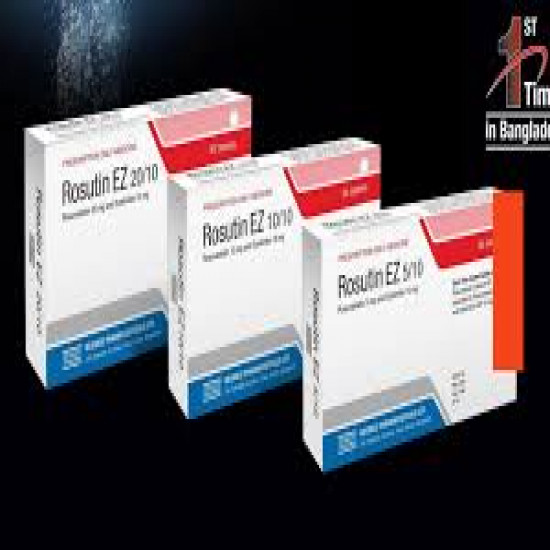
Rosutin EZ 5/10 Tablet
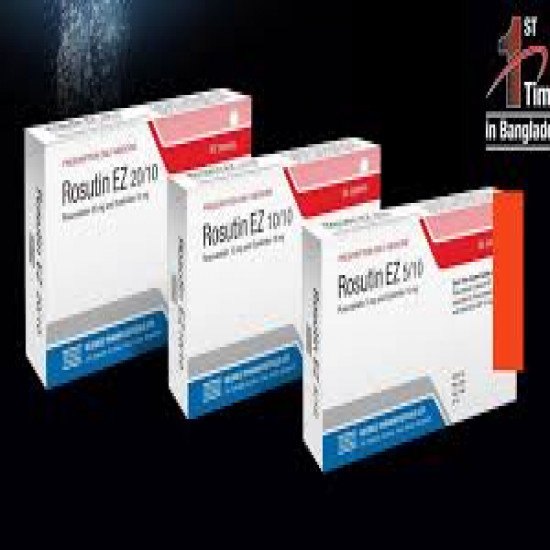
Rosutin EZ 10/10 Tablet
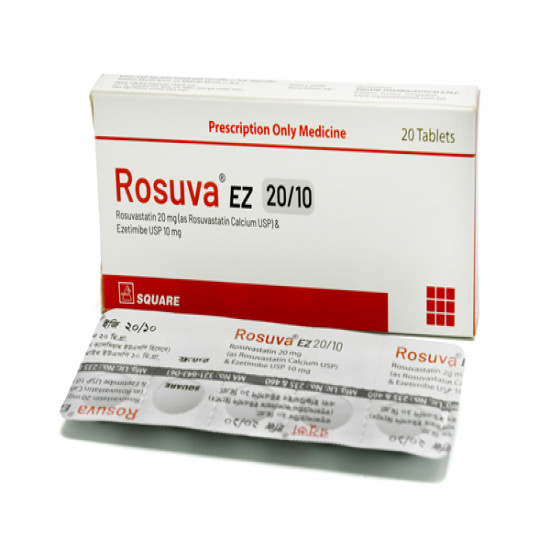
Rosuva EZ 20/10 Tablet
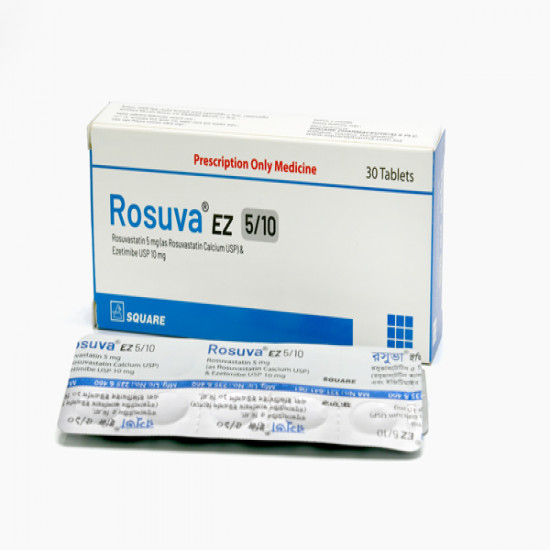
Rosuva EZ 5/10 Tablet
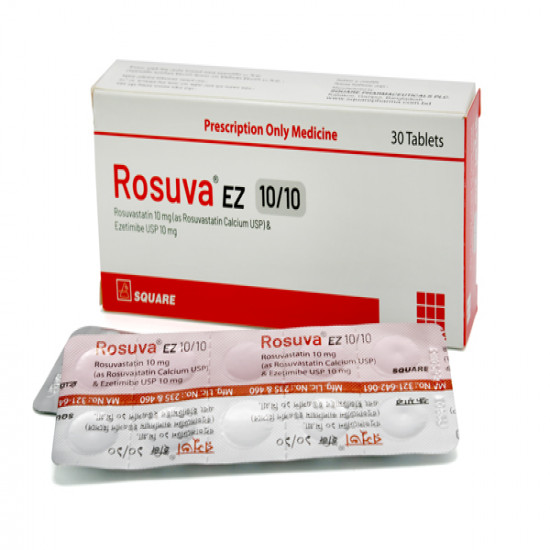
Rosuva EZ 10/10 Tablet
Rosutin EZ 20/10 Tablet

Creston EZ 10/10 Tablet
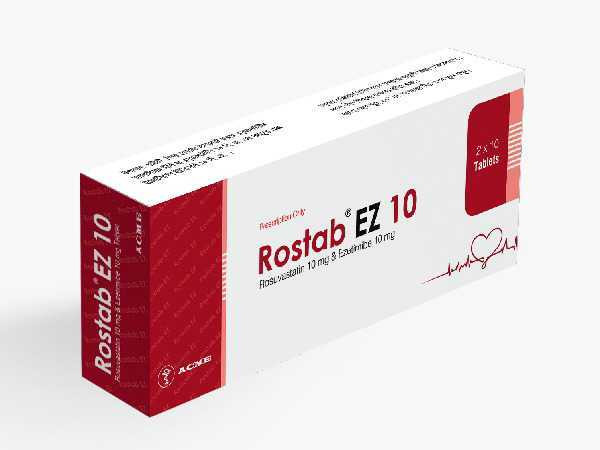
Rostab EZ 10 Tablet 1 Strip
Aristopharma Limited-এর আরও পণ্য
এই প্রস্তুতকারক বা ব্র্যান্ডের জনপ্রিয় পণ্য
Apetiz Syrup 200ml
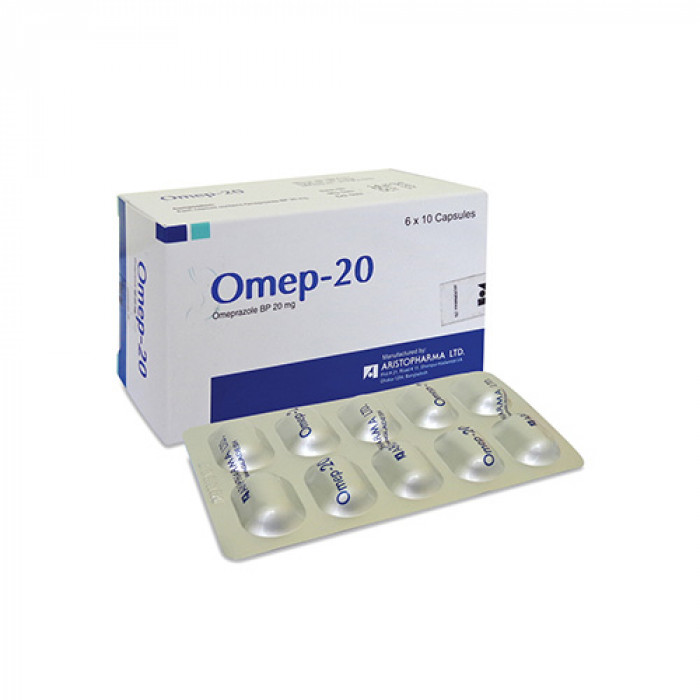
Omep 20mg Capsule 1 Strip
Aristo D3 200000 IU/1ml Injection
Goodbac 3S 4Billion Capsule 1 Strip
Audicare 0.3%+1%+0.025%+2% Ear Drops 10ml
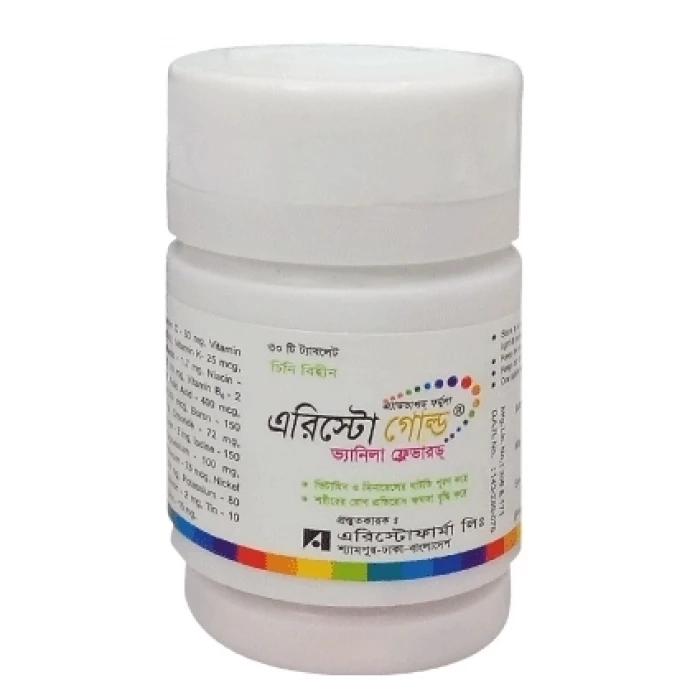
Aristo Gold Tablet (30pcs Pot)
Cutin 5mg Capsule 10pcs
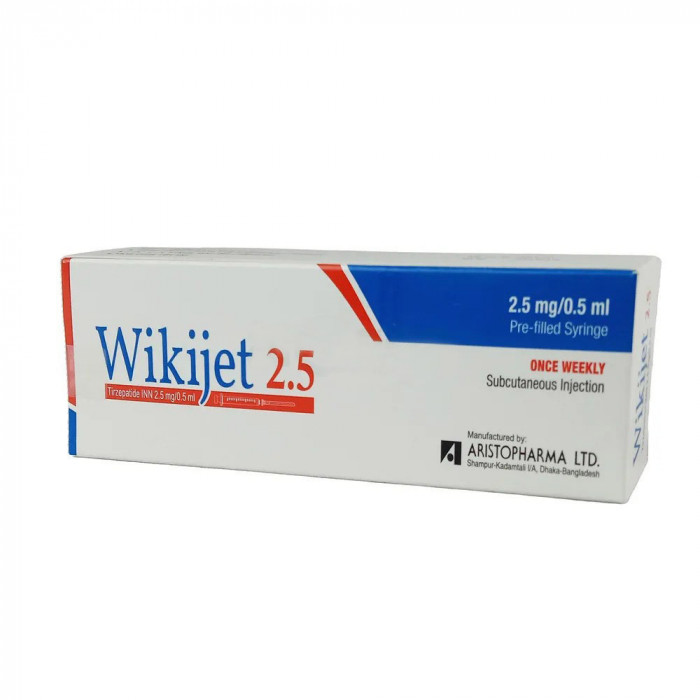
Wikijet 2.5mg/0.5ml Pre-Filled Syringe
কীভাবে অর্ডার করবেন?কীভাবে অর্ডার করবেন?
How to Orderওয়েবসাইট থেকে অর্ডার করার সহজ ভিডিও গাইড।
অ্যাপ থেকে অর্ডারের সহজ ভিডিও গাইড
অ্যাপ ডাউনলোডePharma অ্যাপ ডাউনলোড বিস্তারিত গাইড ›অ্যাপে অর্ডারের বিস্তারিত গাইডসম্পর্কিত লেখা



✔️ Rosuvastatin
Rosuvastatin reduces cholesterol levels by selectively inhibiting HMG-CoA reductase, an enzyme involved in hepatic cholesterol synthesis.
It also increases the number of LDL receptors on the surface of liver cells, which enhances the uptake and breakdown of LDL particles from the bloodstream. As a result, rosuvastatin reduces both hepatic LDL production and circulating LDL particle levels.
✔️ Ezetimibe
Ezetimibe lowers blood cholesterol by reducing the absorption of dietary and biliary cholesterol in the small intestine.
It acts primarily by inhibiting NPC1L1, a sterol transporter involved in the intestinal uptake of cholesterol and phytosterols. This reduces the amount of cholesterol delivered to the liver and contributes to lower circulating LDL-C levels.
✔️ Side Effects
- Headache
- Nausea
- Myalgia (muscle pain)
- Arthralgia (joint pain)
- Dizziness
- Asthenia or weakness
- Constipation
- Abdominal pain
- Diarrhea
- Upper respiratory tract infection
- Sinusitis
- Pain in the extremities
- Fatigue
- Influenza
- Back pain
✔️ Ruvan-Z is contraindicated in patients with:
- Active liver disease or decompensated cirrhosis
- Known hypersensitivity to rosuvastatin, ezetimibe, or any component of the formulation
- Pregnancy
✔️ Interaction
Concomitant use of rosuvastatin and ezetimibe with certain medicines may increase the risk of adverse effects, particularly muscle-related toxicity.
- Concomitant use with cyclosporine or gemfibrozil is not recommended.
- Dosage modifications may be required when used with certain antiviral medicines, darolutamide, or regorafenib.
- Niacin, fibrates, and colchicine may increase the risk of myopathy and rhabdomyolysis when used with rosuvastatin.
- Inform your doctor about all prescription medicines, over-the-counter medicines, vitamins, and supplements you are taking.
✔️ Administration Instructions
- Swallow the tablet whole with water.
- Do not crush, dissolve, or chew the tablet.
- When used with a bile acid sequestrant, administer Ruvan-Z at least 2 hours before or 4 hours after the bile acid sequestrant.
- When using an aluminium and magnesium hydroxide-containing antacid, administer Ruvan-Z at least 2 hours before the antacid.
- Take the medicine at approximately the same time each day for consistent treatment.
✔️ Dosage & Administration
The dosage range of Ruvan-Z is 5 mg/10 mg to 40 mg/10 mg once daily, depending on the indication, baseline and target LDL-C levels, and the patient's individual cardiovascular risk.
The tablet may be taken once daily as prescribed by the doctor.
Patients with Severe Renal Impairment
For patients with severe renal impairment (CrCl <30 mL/min/1.73 m²) who are not receiving hemodialysis:
- Recommended starting dose: 5 mg/10 mg once daily
- Maximum recommended dose: 10 mg/10 mg once daily
Pediatric Use
The safety and effectiveness of this combination have not been established in pediatric patients.
Geriatric Use
No routine dosage adjustment is required solely based on age.
✔️ Pregnancy & Lactation
Pregnancy
Ruvan-Z is contraindicated during pregnancy. Cholesterol and other products of cholesterol biosynthesis are essential for fetal development, and lipid-lowering therapy is generally not appropriate during pregnancy.
Women who are pregnant, planning pregnancy, or who may become pregnant should inform their healthcare professional before starting treatment.
Lactation
Breastfeeding is not recommended during treatment with Ruvan-Z because of the potential for adverse effects on the breastfed infant and the lack of adequate information regarding the use of the combination during lactation.
✔️ Hepatic Impairment
Ruvan-Z is contraindicated in patients with acute liver failure or decompensated cirrhosis.
Patients who develop signs of significant hepatic injury should be evaluated promptly, and treatment should be discontinued when clinically appropriate.
✔️ Renal Impairment
For patients with severe renal impairment (CrCl <30 mL/min/1.73 m²) who are not receiving hemodialysis:
- Starting dose: 5 mg/10 mg once daily
- Maximum dose: 10 mg/10 mg once daily
No dosage adjustment is generally recommended for patients with mild or moderate renal impairment.
✔️ Myopathy and Rhabdomyolysis
Rosuvastatin may rarely cause myopathy or rhabdomyolysis. The risk may be increased by factors such as:
- Age 65 years or older
- Uncontrolled hypothyroidism
- Renal impairment
- Higher doses of rosuvastatin
- Concomitant use of certain interacting medicines
Discontinue the medicine and seek medical evaluation if significant muscle symptoms occur or if myopathy is suspected.
Temporary discontinuation may be necessary in patients who develop an acute or serious condition associated with an increased risk of renal failure secondary to rhabdomyolysis.
✔️ Hepatic Dysfunction
Increases in serum transaminase levels may occur during treatment. Rare cases of serious, including fatal and non-fatal, hepatic injury have been reported.
Liver enzyme testing may be considered before initiating therapy and repeated when clinically indicated.
If serious liver injury accompanied by clinical symptoms, hyperbilirubinemia, or jaundice develops, treatment should be promptly discontinued and the patient evaluated.
✔️ Storage Conditions
- Store below 30°C.
- Protect from light and moisture.
- Keep the medicine in its original packaging.
- Keep out of the reach of children.
- Do not use after the expiry date.
⚠️Disclaimer:
At ePharma, we’re committed to providing accurate and accessible health information. However, all content is intended for informational purposes only and should not replace medical advice from a qualified physician. Please consult your healthcare provider for personalized guidance. We aim to support, not substitute, the doctor-patient relationship.
📦Pricing Information, Availability:
Product Availability & Pricing Notice
Please note that pricing, availability, and service offerings are subject to change due to: Market fluctuations, Manufacturer or supplier adjustments, Product discontinuation or temporary unavailability, Advertising errors. All orders depend on stock availability and staff resources. If services are provided on a time-and-materials basis, any shared estimates are for planning purposes only.

নির্ভরযোগ্য
All products displayed on ePharma are procured from govt. approved pharmaceuticals and verified licensed pharmacies from 2016.

নিরাপদ
ePharma uses Secure Sockets Layer (SSL) 128-bit 🔒 encryption and is Payment Card Industry DataSecurity Standard (PCI DSS) compliant.

সাশ্রয়ী
Find affordable medicine substitutes, save up to 50% on health products, up to 30% off on doctor consultations.

সামাজিক
Providing health care services under the health and beauty category with more than 170K Facebook audience and 10M+ reach.







Get more features!
Download the app now
✓ Doctor consultation ✓ 24/7 helpline