


✔ ১০০% অরিজিনাল পণ্য
👁️ 5493 বার দেখা হয়েছে
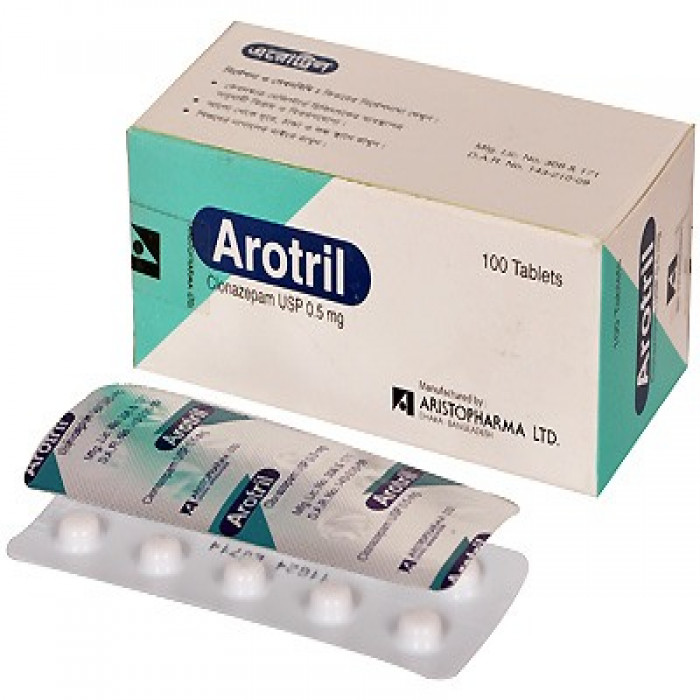
Arotril 0.5mg Tablet 1 Strip
📄প্রেসক্রিপশন প্রয়োজন
অফার মূল্য: ৳ 69
MRP:
৳
70
1%
ছাড়

১০০% অরিজিনাল পণ্যের নিশ্চয়তা

Safe & Secure Payments, Always

Fast, Secure & Efficient Delivery

Proper Packaging
 Cash on Delivery - All over Bangladesh
 Regular Delivery: 24-48 Hours, Dhaka City* Charge Tk.39-59
- Regular Delivery: 48-96 Hours, Other Cities* Charge Tk.99-125
 ফ্রি ডেলিভারিঃ - ১৪৯৯ টাকা+ অর্ডারে, ঢাকা
শহরে
ফ্রি ডেলিভারিঃ - ১৪৯৯ টাকা+ অর্ডারে, ঢাকা
শহরে- ফ্রি ডেলিভারিঃ - ৪৯৯৯ টাকা+ অর্ডারে, ঢাকার
বাহিরে
📲 মোবাইল অ্যাপ অর্ডারে সাশ্রয় বেশী
-
Google Play Store থেকে ডাউনলোড
-
Apple Store থেকে ডাউনলোড
১০০% অরিজিনাল পণ্যের নিশ্চয়তা
Safe & Secure Payments, Always
Fast, Secure & Efficient Delivery
Proper Packaging
- Cash on Delivery - All over Bangladesh
- Regular Delivery: 24-48 Hours, Dhaka City* Charge Tk.39-59
- Regular Delivery: 48-96 Hours, Other Cities* Charge Tk.99-125
- ফ্রি ডেলিভারিঃ - ১৪৯৯ টাকা+ অর্ডারে, ঢাকা
শহরে
- ফ্রি ডেলিভারিঃ - ৪৯৯৯ টাকা+ অর্ডারে, ঢাকার
বাহিরে
- Google Play Store থেকে ডাউনলোড
- Apple Store থেকে ডাউনলোড
📲 মোবাইল অ্যাপ অর্ডারে সাশ্রয় বেশী
✅ বিবরণ:
Arotril contains clonazepam, a benzodiazepine medicine with anticonvulsant, anxiolytic, sedative, and muscle-relaxant properties. It is prescribed for panic disorder, with or without agoraphobia, and certain types of epilepsy and seizure disorders.
In epilepsy, Arotril may be used alone or alongside other anti-epileptic medicines for conditions such as Lennox-Gastaut syndrome, akinetic seizures, myoclonic seizures, and certain absence seizures that have not responded adequately to other treatments.
The benefits and safety of using Arotril continuously for more than 9 weeks have not been systematically established in controlled clinical studies. If long-term treatment is required, the doctor should regularly reassess whether continuing the medicine remains appropriate.
Clonazepam enhances the activity of GABA (gamma-aminobutyric acid), an inhibitory chemical messenger in the brain. By increasing GABA-mediated nerve signaling, it reduces excessive electrical activity in the nervous system. This produces anticonvulsant and calming effects.
Clonazepam can suppress several types of abnormal seizure activity, including spike-and-wave patterns associated with absence seizures and other generalized or focal epileptic discharges. It may therefore be beneficial in both generalized and certain focal seizure disorders.

প্রাসঙ্গিক পণ্য
একই জেনেরিকের বিকল্প পণ্য, গ্রাহকের আগ্রহ অনুযায়ী সাজানো
Disopan 0.5mg Tablet
Disopan 2mg 50pcs
Disopan 2mg Tablet 10pcs
Rivotril 2mg Tablet
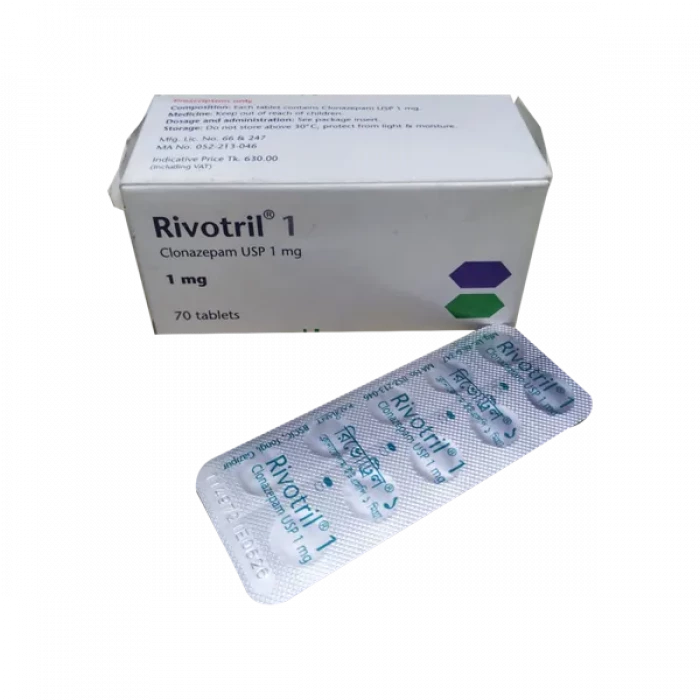
Rivotril 1mg Tablet
Denixil 0.5mg Tablet 10pcs
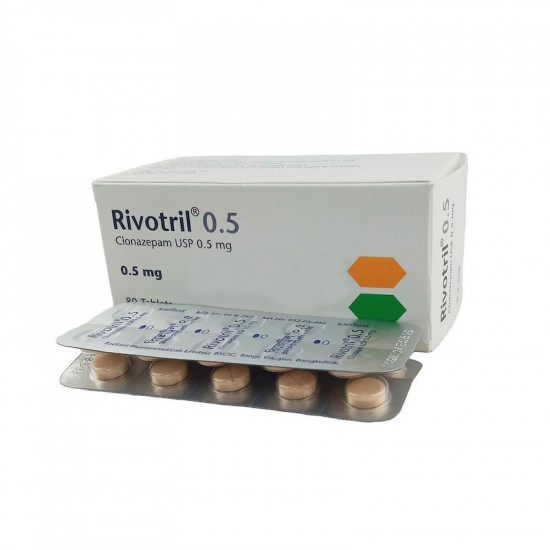
Rivotril 0.5mg Tablet
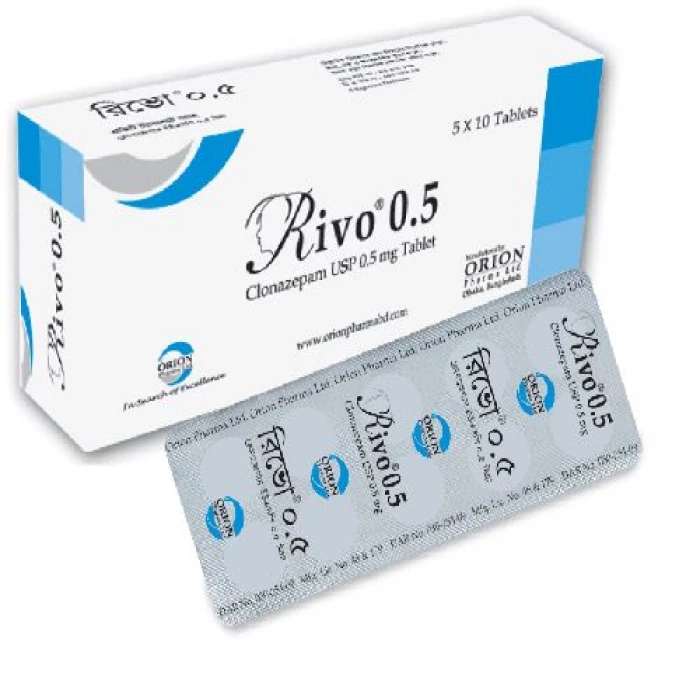
Rivo 0.5mg Tablet 10pcs
Aristopharma Limited-এর আরও পণ্য
এই প্রস্তুতকারক বা ব্র্যান্ডের জনপ্রিয় পণ্য
Ketozol 2% Medicated Anti-Dandruff Scalp Shampoo 100ml

Neobion 100mg+200mg+200mcg Tablet
Rupa 10mg Tablet
Avolac Oral Solution 200ml
Afrin 0.05% Nasal Drops

Rabe 20mg Tablet
Avolac Oral Solution 100ml
Optimox Eye Drops 0.5%
✔️ Uses of Arotril
- Panic disorder, with or without agoraphobia
- Lennox-Gastaut syndrome
- Akinetic seizures
- Myoclonic seizures
- Certain absence seizures that have not responded adequately to other treatments
✔️ Drug Interactions
Arotril does not appear to significantly alter the pharmacokinetics of phenytoin, carbamazepine, or phenobarbital. However, clonazepam can have additive effects when combined with medicines or substances that depress the central nervous system.
Tell your doctor if you take:
- Other benzodiazepines or sedatives
- Sleeping medicines
- Opioid medicines
- Barbiturates
- Antipsychotic medicines
- Certain antidepressants
- Alcohol
- Other anti-epileptic medicines
✔️ Side Effects:
- Drowsiness
- Poor coordination or ataxia
- Dizziness
- Fatigue
- Confusion
- Depression
- Memory problems
- Tremor
- Vertigo
- Speech difficulties
- Sleep disturbances
✔️ Dosage and Administration
Arotril should be taken strictly according to the dose and duration prescribed by the doctor. The appropriate dose depends on the patient's condition, age, response to treatment, and tolerance.
Adults – Seizure disorders:
Treatment is generally started at a low dose, usually not exceeding 1.5 mg per day divided into three doses. The dose may be gradually increased according to seizure control and tolerability. The maximum recommended daily dose is generally 20 mg.
Adults – Panic disorder:
Treatment may be started at 0.25 mg twice daily. The dose may be increased after a few days to the usual target dose of 1 mg per day, according to the patient's response.
Children:
For infants and children up to 10 years of age or weighing up to 30 kg, the initial dose is generally based on body weight. Treatment should be carefully individualized by a physician to minimize excessive drowsiness and other adverse effects.
Elderly:
Older patients may be more sensitive to the effects of benzodiazepines, including drowsiness, impaired coordination, and confusion. Lower doses may be appropriate.
Kidney impairment:
Kidney impairment generally does not significantly alter clonazepam pharmacokinetics, and routine dose adjustment may not be necessary. However, treatment should still be medically supervised.
Liver impairment:
Patients with liver disease require particular caution. Clonazepam should not be used in significant hepatic disease, and medical assessment is necessary before treatment.
✔️ Arotril should not be used in patients who:
- Have a known allergy or hypersensitivity to benzodiazepines or clonazepam
- Have significant liver disease
- Have acute narrow-angle glaucoma
✔️ Pregnancy and Breastfeeding
Clonazepam should only be used during pregnancy when there is a compelling medical reason and the expected benefit outweighs the potential risk to the fetus. Use of high doses during late pregnancy or labor may cause problems in the newborn, including low body temperature, reduced muscle tone, breathing difficulties, and feeding problems. Newborn withdrawal symptoms may also occur.
Abruptly stopping clonazepam during pregnancy can worsen epilepsy and may also pose risks to both mother and baby. Any dose reduction or discontinuation should therefore be supervised by a doctor.
Clonazepam passes into breast milk in small amounts and may affect a breastfed infant. Breastfeeding is generally not recommended during treatment unless specifically advised by a healthcare professional.
✔️ Precautions and Warnings
When several types of seizures occur together, clonazepam may occasionally increase or trigger generalized tonic-clonic seizures. In such cases, the doctor may need to modify the anti-epileptic treatment.
Using clonazepam together with valproic acid may occasionally cause absence status and therefore requires careful medical supervision.
In infants and young children, clonazepam may increase saliva and bronchial secretions, which can create breathing-related complications. Appropriate airway monitoring may therefore be necessary.
Older adults may be more sensitive to the sedative and other effects of benzodiazepines and may require careful dose selection
✔️ Storage:
Store Arotril in a dry place protected from light and excessive heat. Keep the medicine out of the reach of children. Follow the storage instructions provided on the product packaging.
⚠️Disclaimer:
At ePharma, we’re committed to providing accurate and accessible health information. However, all content is intended for informational purposes only and should not replace medical advice from a qualified physician. Please consult your healthcare provider for personalized guidance. We aim to support, not substitute, the doctor-patient relationship.
📦Pricing Information, Availability:
Product Availability & Pricing Notice
Please note that pricing, availability, and service offerings are subject to change due to: Market fluctuations, Manufacturer or supplier adjustments, Product discontinuation or temporary unavailability, Advertising errors. All orders depend on stock availability and staff resources. If services are provided on a time-and-materials basis, any shared estimates are for planning purposes only.



নির্ভরযোগ্য
All products displayed on ePharma are procured from govt. approved pharmaceuticals and verified licensed pharmacies from 2016.

নিরাপদ
ePharma uses Secure Sockets Layer (SSL) 128-bit 🔒 encryption and is Payment Card Industry DataSecurity Standard (PCI DSS) compliant.

সাশ্রয়ী
Find affordable medicine substitutes, save up to 50% on health products, up to 30% off on doctor consultations.

সামাজিক
Providing health care services under the health and beauty category with more than 170K Facebook audience and 10M+ reach.







Get more features!
Download the app now
✓ Doctor consultation ✓ 24/7 helpline

