


✔ ১০০% অরিজিনাল পণ্য
👁️ 2144 বার দেখা হয়েছে
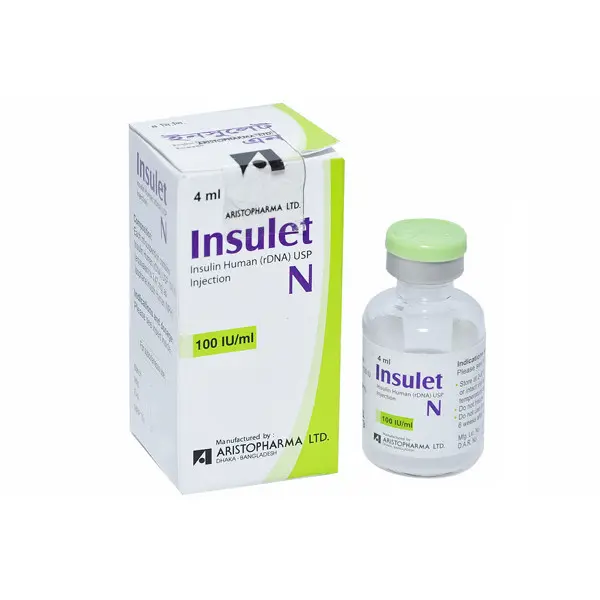
Insulet N SC Injection 4ml 1 Pc
Insulet N Injection is indicated in-
- Treatment of all patients with type 1 diabetes
- Treatment of patients with type 2 diabetes who are not adequately controlled by diet and/ or oral hypoglycemic agents
- For the initial stabilization of diabetes in patients with diabetic ketoacidosis, hyperosmolar non-ketotic syndrome, and during periods of stress such as severe infections and major surgery in diabetic patients
- Treatment of gestational diabetes.
অফার মূল্য: ৳ 162
MRP:
৳
170
5%
ছাড়

১০০% অরিজিনাল পণ্যের নিশ্চয়তা

Safe & Secure Payments, Always

Fast, Secure & Efficient Delivery
Proper Packaging
 Cash on Delivery - All over Bangladesh
 Regular Delivery: 24-48 Hours, Dhaka City* Charge Tk.39-59
- Regular Delivery: 48-96 Hours, Other Cities* Charge Tk.99-125
 ফ্রি ডেলিভারিঃ - ১৪৯৯ টাকা+ অর্ডারে, ঢাকা
শহরে
- ফ্রি ডেলিভারিঃ - ৪৯৯৯ টাকা+ অর্ডারে, ঢাকার
বাহিরে
📲 মোবাইল অ্যাপ অর্ডারে সাশ্রয় বেশী
-
Google Play Store থেকে ডাউনলোড
-
Apple Store থেকে ডাউনলোড
১০০% অরিজিনাল পণ্যের নিশ্চয়তা
Safe & Secure Payments, Always
Fast, Secure & Efficient Delivery
Proper Packaging
- Cash on Delivery - All over Bangladesh
- Regular Delivery: 24-48 Hours, Dhaka City* Charge Tk.39-59
- Regular Delivery: 48-96 Hours, Other Cities* Charge Tk.99-125
- ফ্রি ডেলিভারিঃ - ১৪৯৯ টাকা+ অর্ডারে, ঢাকা
শহরে
- ফ্রি ডেলিভারিঃ - ৪৯৯৯ টাকা+ অর্ডারে, ঢাকার
বাহিরে
- Google Play Store থেকে ডাউনলোড
- Apple Store থেকে ডাউনলোড
📲 মোবাইল অ্যাপ অর্ডারে সাশ্রয় বেশী
✅ বিবরণ:
This is a sterile, clear, colorless solution of human insulin. It is a fast-acting insulin and has a relatively short duration of action as compared with other insulins. It may be used in combination with long-acting insulins. The blood glucose lowering effect of insulin is due to the facilitated uptake of glucose following binding of insulin to receptors on muscle and fat cells and to the simultaneous inhibition of glucose output from the liver.
Insulin has a half-life of a few minutes in the bloodstream. No profound binding to plasma proteins. An average action profile after subcutaneous injection indicates:
- Onset of action- within 30 minutes
- Peak plasma levels attained between 1-3 hours
- Duration of action- approximately 4-6 hours
Dosage is individual and determined by the physician in accordance with the needs of the patient.
The average range of total daily insulin requirement for maintenance therapy in type 1 diabetic patients lies between 0.5 and 1.0 IU/Kg. In pre-pubertal children, it usually varies from 0.7 to 1.0 IU/ Kg.
The daily insulin requirement may be higher in patients with insulin resistance (e.g. during puberty in the young or due to obesity) and lower in patients with endogenous insulin production or during the period of partial remission.
Initial dosage for type 2 diabetic patients is often lower, e.g. 0.3 to 0.6 IU/ Kg/ Day.
An injection should be followed within 30 minutes by a meal or snack containing carbohydrates.
- It is usually administered subcutaneously in the abdominal wall. The thigh, the gluteal region, or the deltoid region may also be used.
- Subcutaneous injection into the abdominal wall ensures a faster absorption than from other injection sites.
- To avoid lipodystrophy, injection sites for a given insulin preparation should be rotated within an anatomic region.
- Intramuscular administrations are possible under guidance by a physician.
- Intravenous administrations should only be carried out by a physician.
- Concomitant illness, especially infections and feverish conditions, usually increases the patient's insulin requirement.
- Renal or hepatic impairment may reduce insulin requirement.
- Adjustment of the dosage may also be necessary if patients change physical activity or their usual diet.
- Dosage adjustment may be necessary when transferring patients from one insulin preparation to another.
Concomitant use of other drugs may influence insulin requirements.
The following substances may reduce the insulin requirements: Oral hypoglycaemic agents (OHA), monoamine oxidase inhibitors (MAOI), non-selective beta-blocking agents, angiotensin-converting enzyme (ACE) inhibitors, salicylates and alcohol.
The following substances may increase the insulin requirements: Thiazides, glucocorticoids, thyroid hormones and beta-sympathomimetics, growth hormone and danazol.
Beta-blockers may mask the symptoms of hypoglycaemia and delay recovery from hypoglycaemia. Octreotide/lanreotide may both increase and decrease insulin requirement. Alcohol may intensify and prolong the hypoglycaemic effect of insulin.
Insulin should never be given to patients with hypoglycaemia & hypersensitivity to human insulin or any of the excipients.
Adverse drug reactions observed in patients using human insulin are mainly dose-dependent and due to the pharmacologic effect of insulin. As for other insulin products, hypoglycaemia, in general, is the most frequently undesirable effect. It may occur if the insulin dose is too high in relation to the insulin requirement.
Lipodystrophy may occur at the injection site as a consequence of failure to rotate injection sites within an area.
Symptoms of generalized hypersensitivity may include generalized skin rash, itching, sweating, gastrointestinal upset and angioneurotic oedema, difficulties in breathing, palpitation and reduction in blood pressure. Generalised hypersensitivity reactions are potentially life-threatening.
Oedema may occur upon initiation of insulin therapy. These symptoms are usually of transitory nature.
There are no restrictions on the treatment of diabetes with insulin during pregnancy as insulin does not pass the placental barrier. Both hypoglycaemia and hyperglycaemia, which can occur in inadequately controlled diabetes therapy, increase the risk of malformations and death in utero. Insulin requirements usually fall in the first trimester and increase subsequently during the second and third trimesters. After delivery, insulin requirements return rapidly to pre-pregnancy values. Insulin treatment of the nursing mother involves no risk to the baby. However, the insulin dosage, diet, or both may need to be adjusted.

প্রাসঙ্গিক পণ্য
একই জেনেরিকের বিকল্প পণ্য, গ্রাহকের আগ্রহ অনুযায়ী সাজানো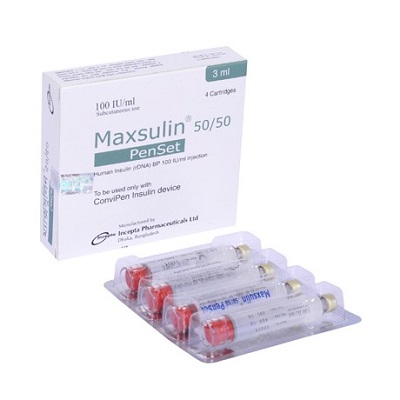
Maxsulin 50/50 penset 100IU/3ml 1Pc
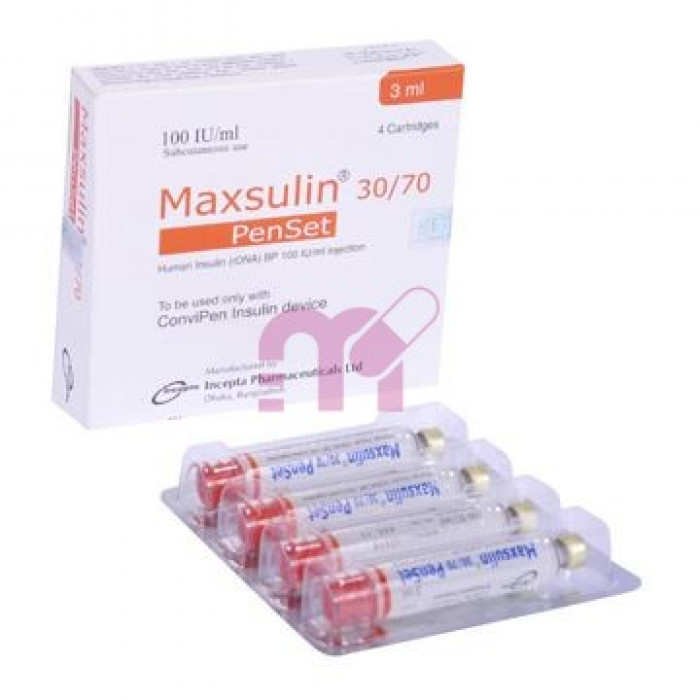
MAXSULIN 30/70 PENSET 100IU/ML (3ml/1pc)
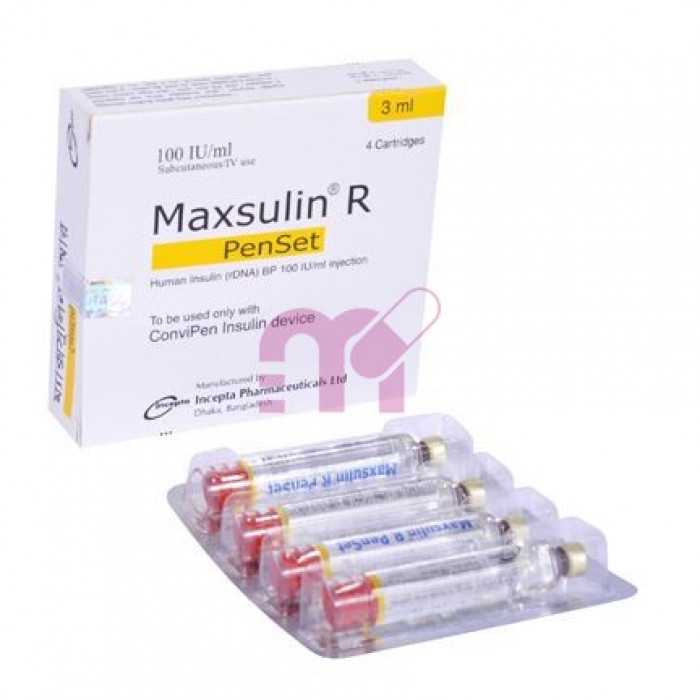
Maxsulin R Penset 3ml 100IU/ml
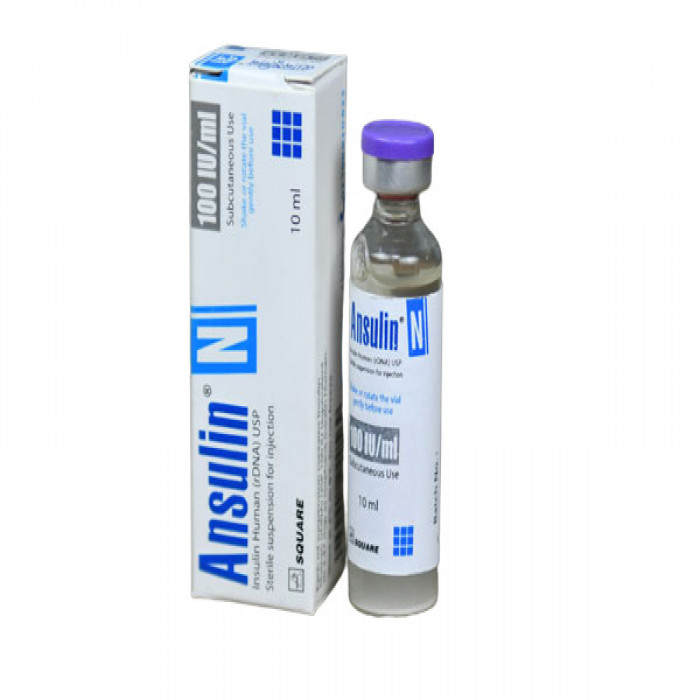
Ansulin N 100IU Vial
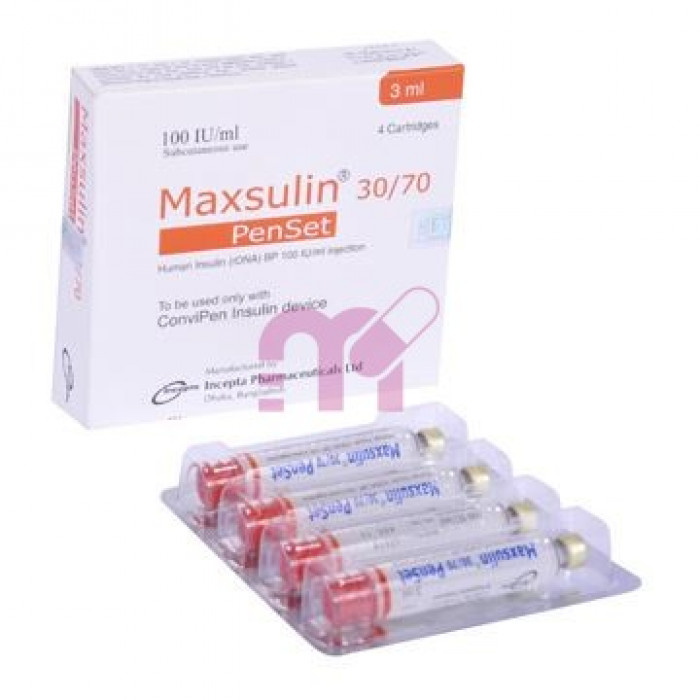
Maxsulin Penset
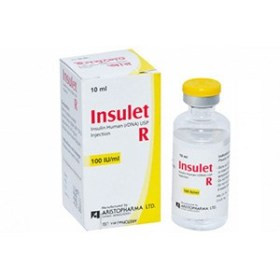
Insulet R Injection 10ml 1 Pc
Aristopharma Limited-এর আরও পণ্য
এই প্রস্তুতকারক বা ব্র্যান্ডের জনপ্রিয় পণ্য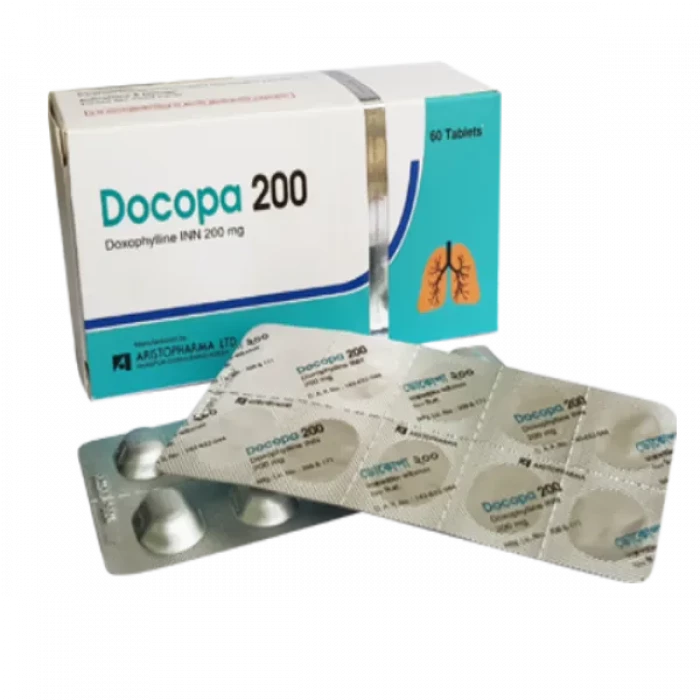
Docopa 200 Tablet 1 Strip
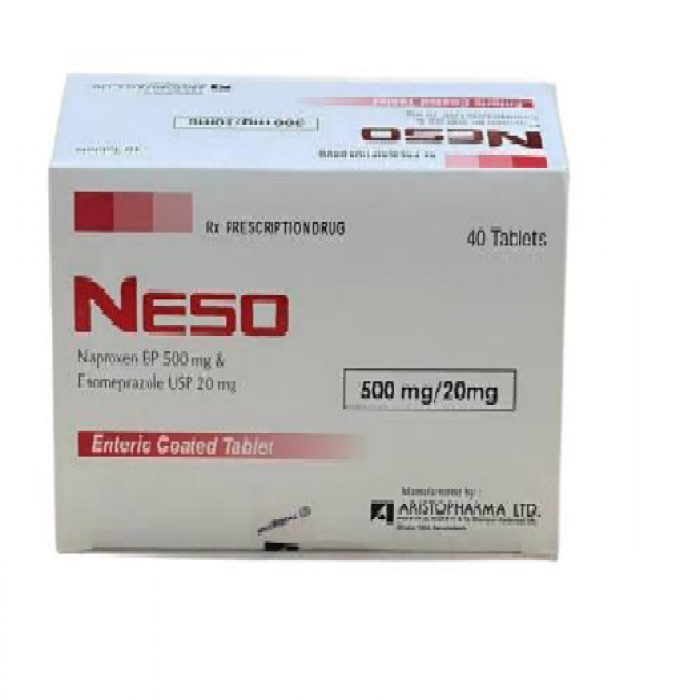
Neso 500/20mg Tablet
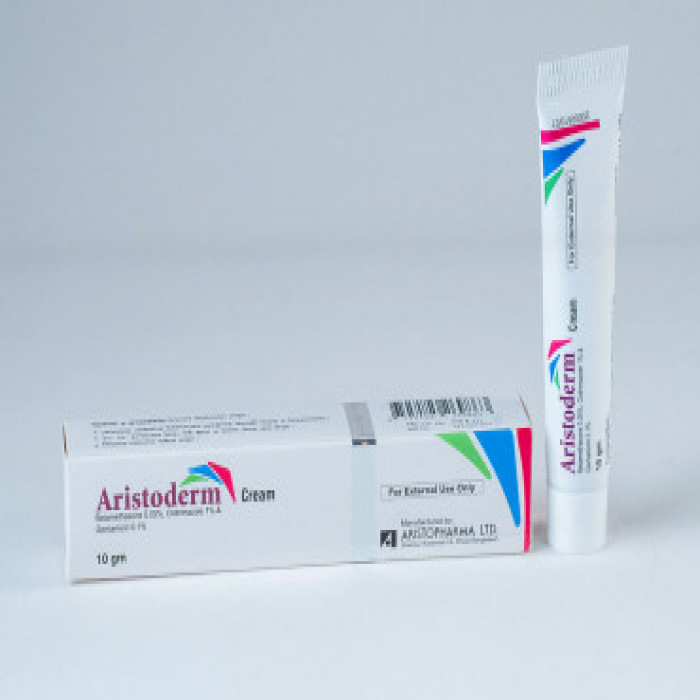
Aristoderm 0.05%+1%+0.1% Cream 10g
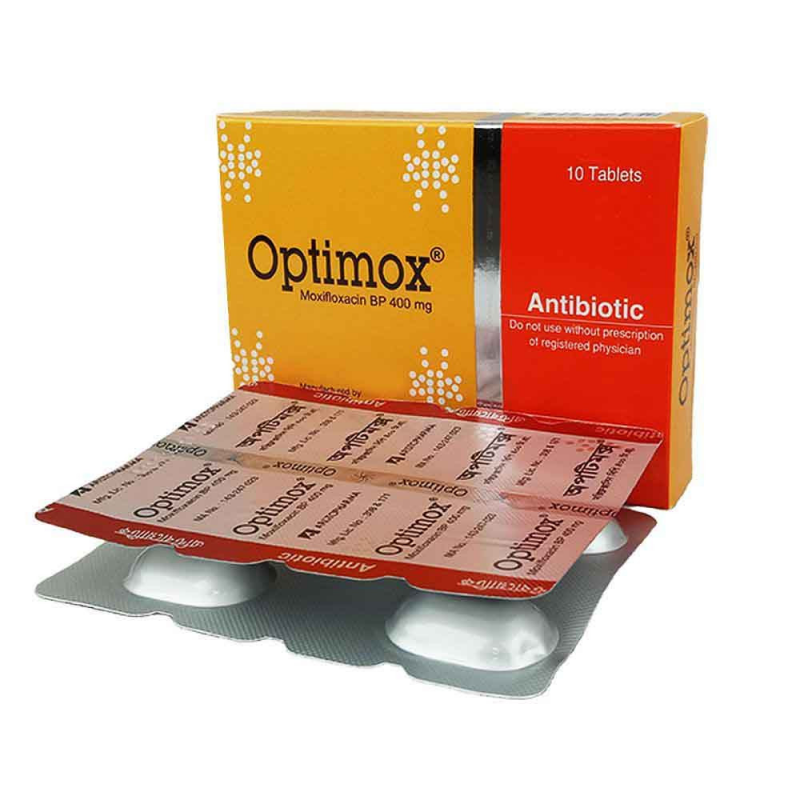
Optimox 400mg Tablet
Docopa Syrup 100ml
Afrin 0.025% Nasal Drops
Soneta 0.1% Cream
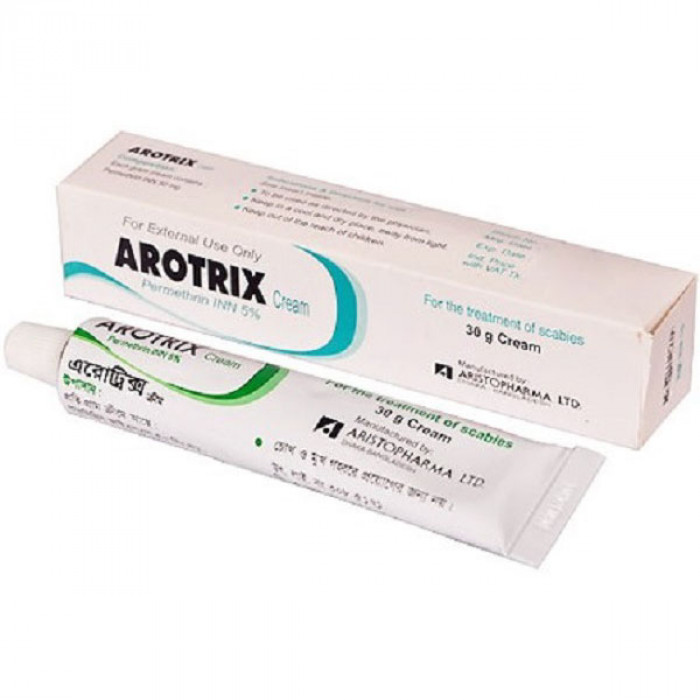
Arotrix 5% Cream 30gm
সম্পর্কিত লেখা

⚠️Disclaimer:
At ePharma, we’re committed to providing accurate and accessible health information. However, all content is intended for informational purposes only and should not replace medical advice from a qualified physician. Please consult your healthcare provider for personalized guidance. We aim to support, not substitute, the doctor-patient relationship.
📦Pricing Information, Availability:
Product Availability & Pricing Notice
Please note that pricing, availability, and service offerings are subject to change due to: Market fluctuations, Manufacturer or supplier adjustments, Product discontinuation or temporary unavailability, Advertising errors. All orders depend on stock availability and staff resources. If services are provided on a time-and-materials basis, any shared estimates are for planning purposes only.

নির্ভরযোগ্য
All products displayed on ePharma are procured from govt. approved pharmaceuticals and verified licensed pharmacies from 2016.

নিরাপদ
ePharma uses Secure Sockets Layer (SSL) 128-bit 🔒 encryption and is Payment Card Industry DataSecurity Standard (PCI DSS) compliant.

সাশ্রয়ী
Find affordable medicine substitutes, save up to 50% on health products, up to 30% off on doctor consultations.

সামাজিক
Providing health care services under the health and beauty category with more than 170K Facebook audience and 10M+ reach.







Get more features!
Download the app now
✓ Doctor consultation ✓ 24/7 helpline