


✔ ১০০% অরিজিনাল পণ্য
👁️ 124 বার দেখা হয়েছে
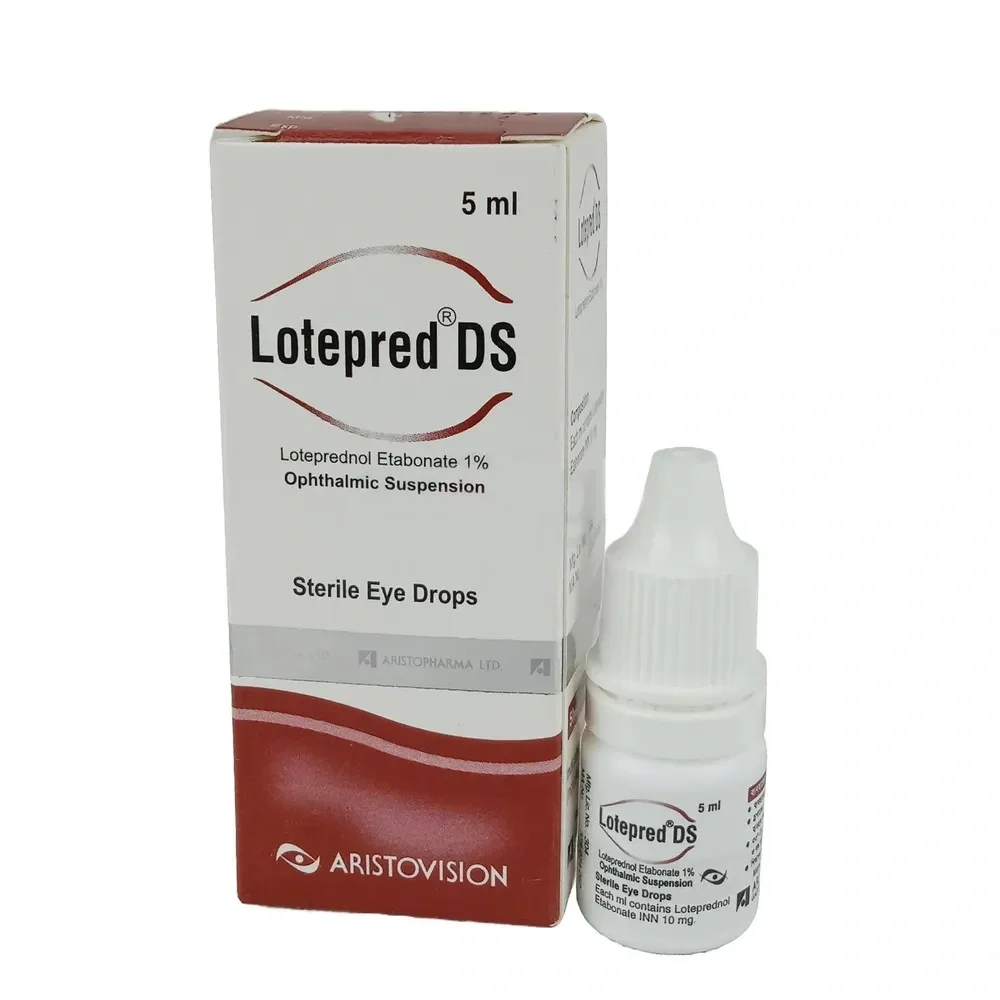
Lotepred DS 1% Ophthalmic Suspension 5ml
Lotepred DS suspension is indicated in steroid-responsive inflammatory conditions of the palpebral and bulbar conjunctiva, cornea, and anterior segment of the eyeball, such as allergic conjunctivitis, rosacea, superficial punctate keratitis, herpes zoster keratitis, iritis & cyclitis. It is also effective in post-operative inflammation.
অফার মূল্য: ৳ 219
MRP:
৳
230
5%
ছাড়

১০০% অরিজিনাল পণ্যের নিশ্চয়তা

Safe & Secure Payments, Always

Fast, Secure & Efficient Delivery
Proper Packaging
 Cash on Delivery - All over Bangladesh
 Regular Delivery: 24-48 Hours, Dhaka City* Charge Tk.39-59
- Regular Delivery: 48-96 Hours, Other Cities* Charge Tk.99-125
 ফ্রি ডেলিভারিঃ - ১৪৯৯ টাকা+ অর্ডারে, ঢাকা
শহরে
ফ্রি ডেলিভারিঃ - ১৪৯৯ টাকা+ অর্ডারে, ঢাকা
শহরে- ফ্রি ডেলিভারিঃ - ৪৯৯৯ টাকা+ অর্ডারে, ঢাকার
বাহিরে
📲 মোবাইল অ্যাপ অর্ডারে সাশ্রয় বেশী
-
Google Play Store থেকে ডাউনলোড
-
Apple Store থেকে ডাউনলোড
১০০% অরিজিনাল পণ্যের নিশ্চয়তা
Safe & Secure Payments, Always
Fast, Secure & Efficient Delivery
Proper Packaging
- Cash on Delivery - All over Bangladesh
- Regular Delivery: 24-48 Hours, Dhaka City* Charge Tk.39-59
- Regular Delivery: 48-96 Hours, Other Cities* Charge Tk.99-125
- ফ্রি ডেলিভারিঃ - ১৪৯৯ টাকা+ অর্ডারে, ঢাকা
শহরে
- ফ্রি ডেলিভারিঃ - ৪৯৯৯ টাকা+ অর্ডারে, ঢাকার
বাহিরে
- Google Play Store থেকে ডাউনলোড
- Apple Store থেকে ডাউনলোড
📲 মোবাইল অ্যাপ অর্ডারে সাশ্রয় বেশী
✅ বিবরণ:
1% ophthalmic suspension:
- For steroid-responsive ocular inflammation: Instill 1 drop of Loteprednol DS Ophthalmic Suspension into the conjunctival sac of the eye(s) 2 times a day.
- For inflammation after surgery: Instill 1 drop of Loteprednol DS Ophthalmic Suspension into the conjunctival sac of the operated eye(s) 2 times a day beginning 24 hours after surgery and continuing throughout the first two weeks after surgery
Corticosteroids inhibit the inflammatory response to a variety of inciting agents and probably delay or slow healing. They inhibit the edema, fibrin deposition, capillary dilation, leukocyte migration, capillary proliferation, fibroblast proliferation, deposition of collagen, and scar formation associated with inflammation. There is no generally accepted explanation for the mechanism of action of ocular corticosteroids. However, corticosteroids are thought to act by the induction of phospholipase A2 inhibitory proteins, collectively called lipocortins. It is postulated that these proteins control the biosynthesis of potent mediators of inflammation such as prostaglandins and leukotrienes by inhibiting the release of their common precursor arachidonic acid. Arachidonic acid is released from membrane phospholipids by phospholipase A2.
Since Lotepred DS is not detected in plasma following the topical administration, it is not expected to affect the pharmacokinetics of systemically administered medicinal products.
Loteprednol, as with other ophthalmic corticosteroids, is contraindicated in most viral diseases of the cornea and conjunctiva including epithelial herpes simplex keratitis (dendritic keratitis), vaccinia, and varicella, and also in mycobacterial infection of the eye and fungal diseases of ocular structures. It is also contraindicated in individuals with known or suspected hypersensitivity to any of the ingredients of this preparation and to other corticosteroids.
Pregnancy Category C. For Loteprednol Etabonate, no clinical data on exposed pregnancies are available. Studies in animals have shown reproductive toxicity. The potential risk for humans is unknown, and it should not be used in pregnancy unless clearly necessary. It is not known whether topical ophthalmic administration of corticosteroids could result in sufficient systemic absorption to produce detectable quantities in human milk. Caution should be exercised when Loteprednol is administered to a nursing woman.
Common Side Effects are Eye irritation, Watery eyes, and burning sensation
If signs and symptoms fail to improve after two days, the patient should be re-evaluated. If Lotepred DS is used for 10 days or longer, intraocular pressure should be monitored. Fungal invasion must be considered in any persistent corneal ulceration where a steroid has been used or is in use. If redness or itching becomes aggravated, the patient should be advised to consult a physician. Patients should also be advised not to wear contact lenses during their course of therapy.
Store below 30 degree C in a dry place protected from light.

প্রাসঙ্গিক পণ্য
একই জেনেরিকের বিকল্প পণ্য, গ্রাহকের আগ্রহ অনুযায়ী সাজানো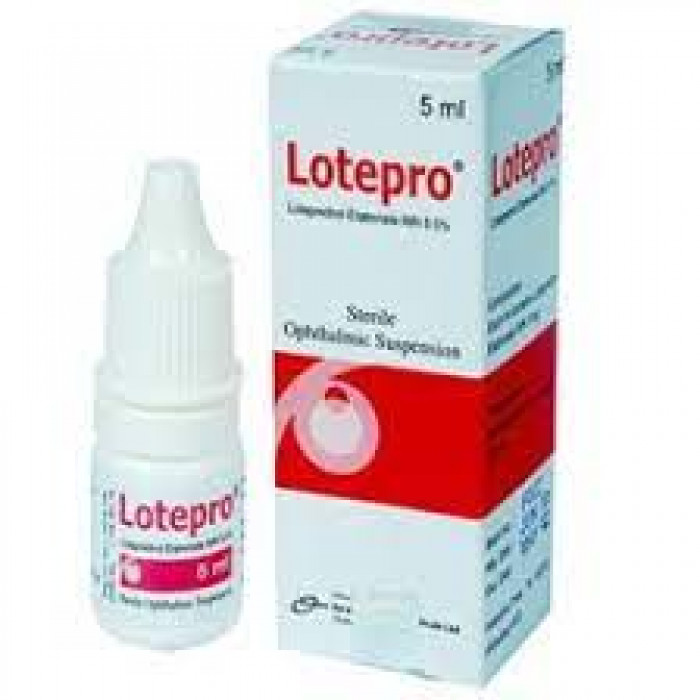
Lotepro Opthalmic Suspension
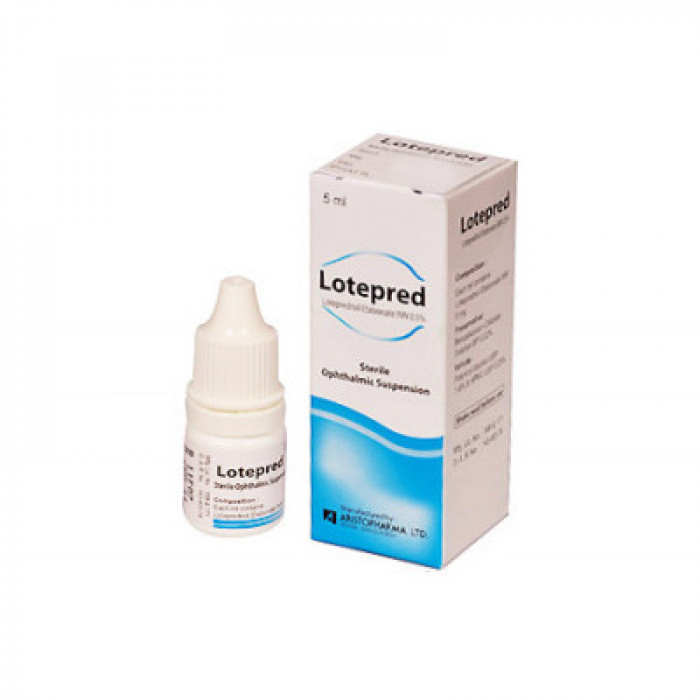
Lotepred 0.5% Opthalmic Suspension 5ml
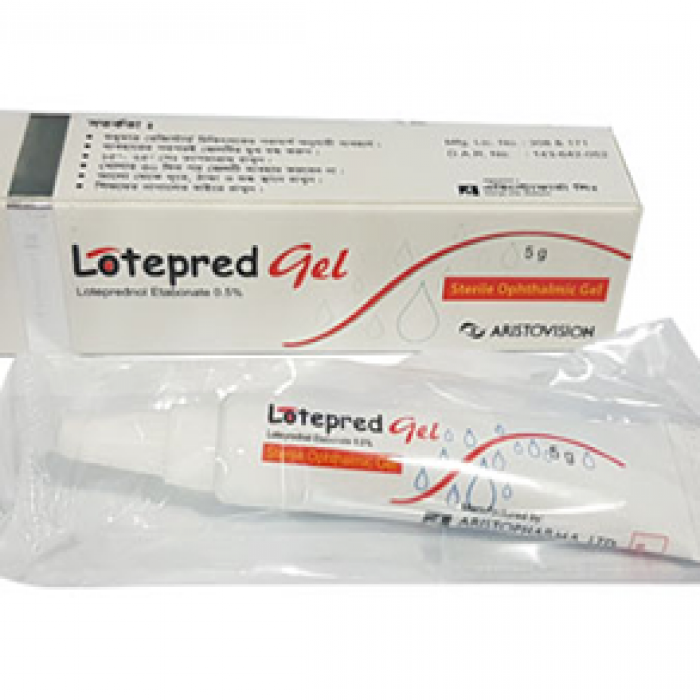
Lotepred 0.5% Ophthalmic Gel 5g Tube

Lotecare DS 1% Ophthalmic Suspension
Aristopharma Limited-এর আরও পণ্য
এই প্রস্তুতকারক বা ব্র্যান্ডের জনপ্রিয় পণ্য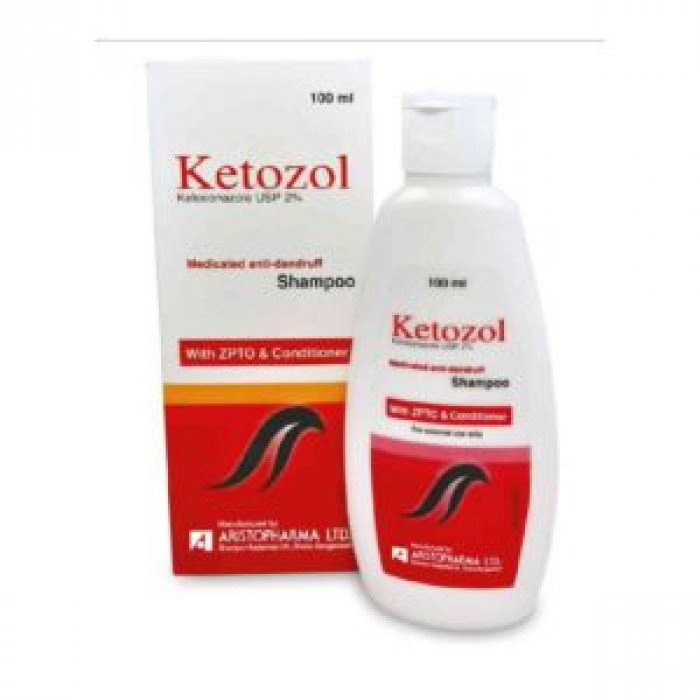
Ketozol 2% Medicated Anti-Dandruff Scalp Shampoo 100ml
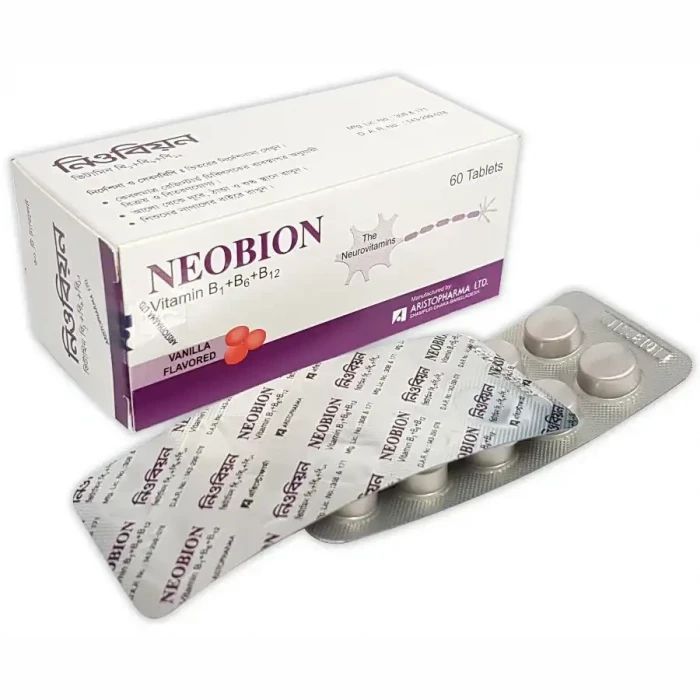
Neobion 100mg+200mg+200mcg Tablet
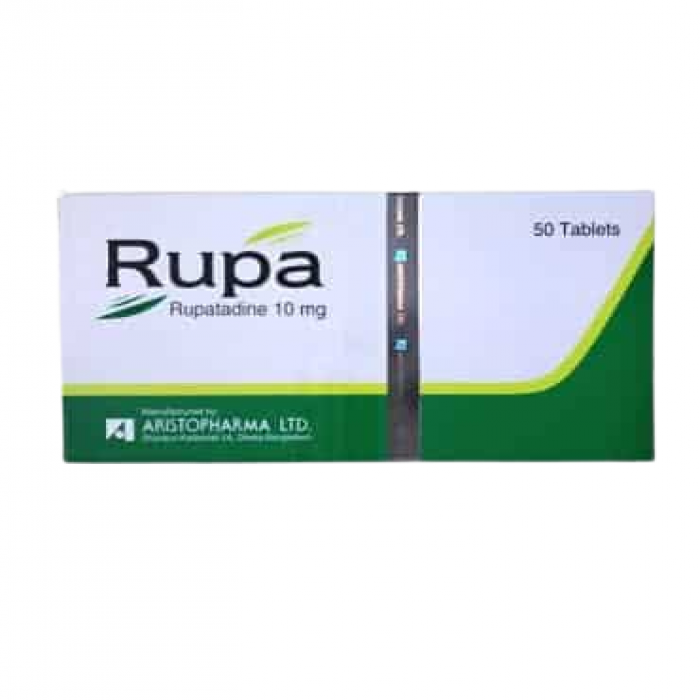
Rupa 10mg Tablet
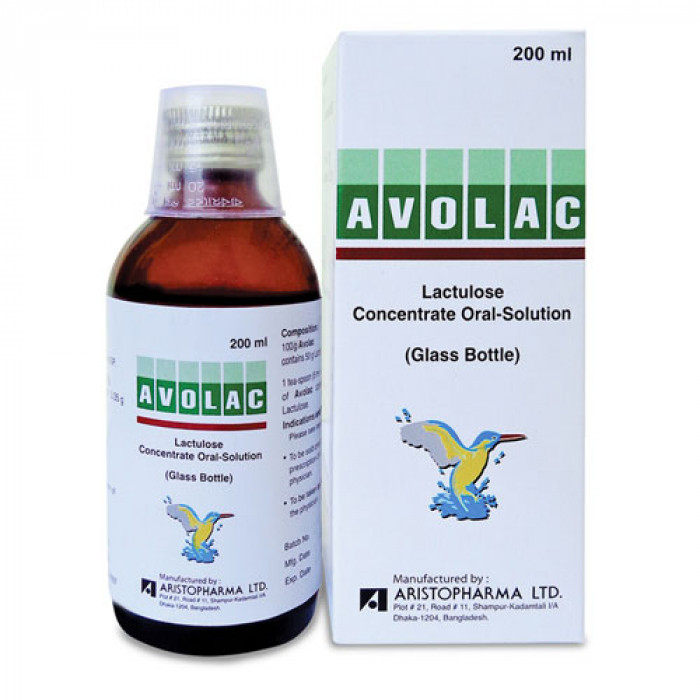
Avolac Oral Solution 200ml
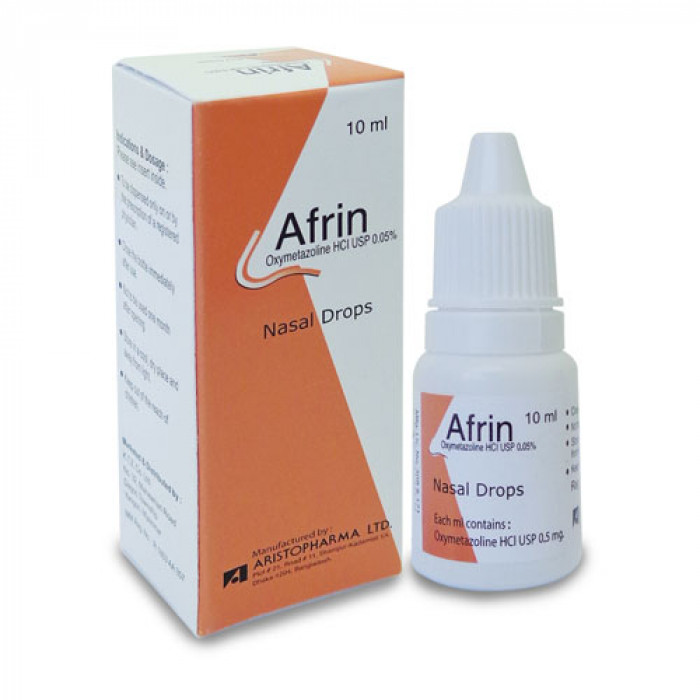
Afrin 0.05% Nasal Drops
Rabe 20mg Tablet
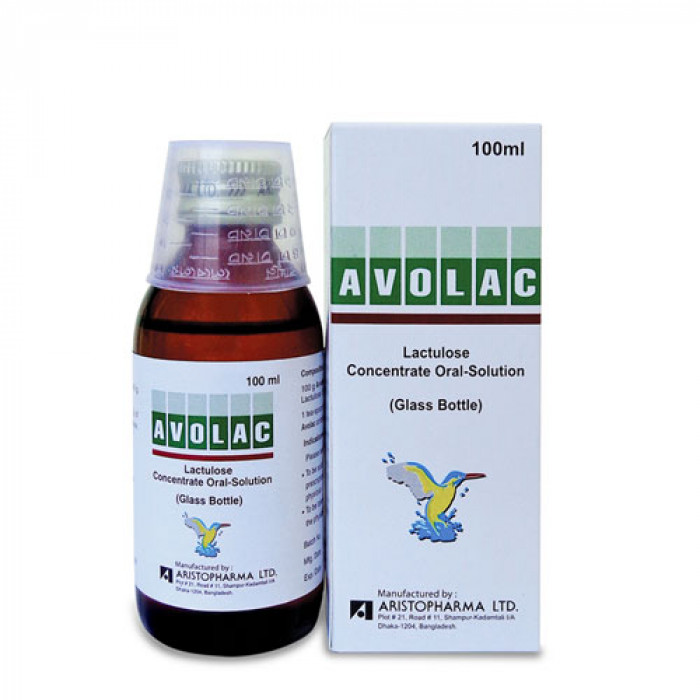
Avolac Oral Solution 100ml
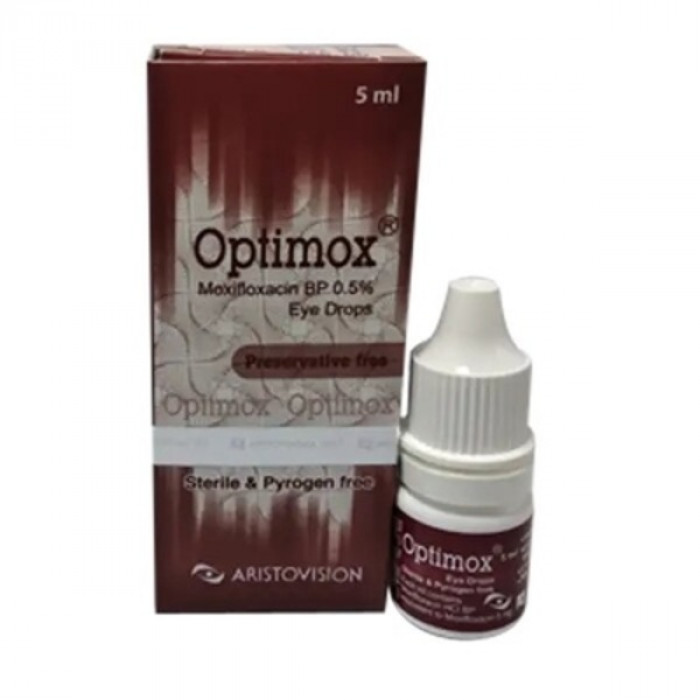
Optimox 0.5% Eye Drops 5ml
কীভাবে অর্ডার করবেন?কীভাবে অর্ডার করবেন?
How to Orderওয়েবসাইট থেকে অর্ডার করার সহজ ভিডিও গাইড।
অ্যাপ থেকে অর্ডারের সহজ ভিডিও গাইড
অ্যাপ ডাউনলোডePharma অ্যাপ ডাউনলোড বিস্তারিত গাইড ›অ্যাপে অর্ডারের বিস্তারিত গাইডসম্পর্কিত লেখা

⚠️Disclaimer:
At ePharma, we’re committed to providing accurate and accessible health information. However, all content is intended for informational purposes only and should not replace medical advice from a qualified physician. Please consult your healthcare provider for personalized guidance. We aim to support, not substitute, the doctor-patient relationship.
📦Pricing Information, Availability:
Product Availability & Pricing Notice
Please note that pricing, availability, and service offerings are subject to change due to: Market fluctuations, Manufacturer or supplier adjustments, Product discontinuation or temporary unavailability, Advertising errors. All orders depend on stock availability and staff resources. If services are provided on a time-and-materials basis, any shared estimates are for planning purposes only.

নির্ভরযোগ্য
All products displayed on ePharma are procured from govt. approved pharmaceuticals and verified licensed pharmacies from 2016.

নিরাপদ
ePharma uses Secure Sockets Layer (SSL) 128-bit 🔒 encryption and is Payment Card Industry DataSecurity Standard (PCI DSS) compliant.

সাশ্রয়ী
Find affordable medicine substitutes, save up to 50% on health products, up to 30% off on doctor consultations.

সামাজিক
Providing health care services under the health and beauty category with more than 170K Facebook audience and 10M+ reach.







Get more features!
Download the app now
✓ Doctor consultation ✓ 24/7 helpline