

✔ ১০০% অরিজিনাল পণ্য
👁️ 2963 বার দেখা হয়েছে
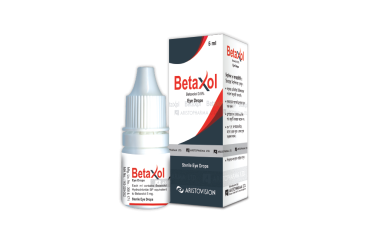
Betaxol 0.5% Eye Drop 5ml
Betaxol 0.5% ophthalmic solution has been shown to be effective in lowering intraocular pressure and is indicated in the treatment of ocular hypertension and chronic open-angle glaucoma. May be used alone or in combination with other intraocular pressure-lowering medication.
অফার মূল্য: ৳ 190
MRP:
৳
200
5%
ছাড়
১০০% অরিজিনাল পণ্যের নিশ্চয়তা
Safe & Secure Payments, Always
Fast, Secure & Efficient Delivery
Proper Packaging
 Cash on Delivery - All over Bangladesh
 Regular Delivery: 24-48 Hours, Dhaka City* Charge Tk.39-59
- Regular Delivery: 48-96 Hours, Other Cities* Charge Tk.99-125
 ফ্রি ডেলিভারিঃ - ১৪৯৯ টাকা+ অর্ডারে, ঢাকা
শহরে
- ফ্রি ডেলিভারিঃ - ৪৯৯৯ টাকা+ অর্ডারে, ঢাকার
বাহিরে
📲 মোবাইল অ্যাপ অর্ডারে সাশ্রয় বেশী
-
Google Play Store থেকে ডাউনলোড
-
Apple Store থেকে ডাউনলোড
১০০% অরিজিনাল পণ্যের নিশ্চয়তা
Safe & Secure Payments, Always
Fast, Secure & Efficient Delivery
Proper Packaging
- Cash on Delivery - All over Bangladesh
- Regular Delivery: 24-48 Hours, Dhaka City* Charge Tk.39-59
- Regular Delivery: 48-96 Hours, Other Cities* Charge Tk.99-125
- ফ্রি ডেলিভারিঃ - ১৪৯৯ টাকা+ অর্ডারে, ঢাকা
শহরে
- ফ্রি ডেলিভারিঃ - ৪৯৯৯ টাকা+ অর্ডারে, ঢাকার
বাহিরে
- Google Play Store থেকে ডাউনলোড
- Apple Store থেকে ডাউনলোড
📲 মোবাইল অ্যাপ অর্ডারে সাশ্রয় বেশী
✅ বিবরণ:
Betaxolol is a selective (beta-1-adrenergic) receptor blocking agent that does not have significant membrane stabilizing (local anesthetic) activity and is free from intrinsic sympathomimetic action. When instilled into the eye, Betaxolol reduces elevated as well as normal intraocular pressure, whether or not accompanied by glaucoma. Optic nerve head damage and visual field loss are results of a sustained elevated intraocular pressure and poor ocular perfusion. The ocular hypotensive action of Betaxolol appears to be mediated by a reduction of aqueous production as demonstrated by tonography and aqueous flurophotometry. Betaxolol ophthalmic solution does not produce miosis or accommodative spasm, which is frequently seen with miotics.
The onset of action with Betaxolol can generally be noted within 30 minutes, and the maximal effect can usually be detected two hours after topical administration. A single dose provides a 12-hour reduction in intraocular pressure (IOP) and twice daily administration maintains the IOP below 22 mm Hg in most patients.
0.5% ophthalmic solution: The usual dose is 1 drop of Betaxolol Hydrochloride ophthalmic solution in the affected eye(s) twice daily. In some patients, the intraocular pressure-lowering response may require a few weeks to stabilize. Clinical follow-up should include a determination of the intraocular pressure during the first month of treatment. Thereafter, intraocular pressure should be determined on an individual basis at the judgment of the physician.
Pediatric Use: Safety and effectiveness in pediatric patients have not been established.
Geriatric Use: No overall differences in safety or effectiveness have been observed between elderly and younger patients.
Patients who are receiving a beta-adrenergic blocking agent orally and Betaxol Ophthalmic Solution should be observed for a potential additive effect either on the intraocular pressure or on the known systemic effects of beta blockade. Close observation of the patient is recommended when a beta blocker is administered to patients receiving catecholamine-depleting drugs such as reserpine, because of possible additive effects and the production of hypotension and/or bradycardia. Caution should be exercised in patients using concomitant adrenergic psychotropic drugs. In patients with angle-closure glaucoma, the immediate treatment objective is to reopen the angle by constriction of the pupil with a miotic agent. Betaxol has little or no effect on the pupil. When Betaxol Ophthalmic Solution is used to reduce elevated intraocular pressure in angle-closure glaucoma, it should be used with a miotic and not alone.
Hypersensitivity to any component of this product. Betaxolol should not be used in patients with sinus bradycardia, atrioventricular block greater than first degree, cardiogenic shock, or patients with a history of overt cardiac failure.

প্রাসঙ্গিক পণ্য
একই জেনেরিকের বিকল্প পণ্য, গ্রাহকের আগ্রহ অনুযায়ী সাজানো
Optaloc 0.5% Eye Drops
Aristopharma Limited-এর আরও পণ্য
এই প্রস্তুতকারক বা ব্র্যান্ডের জনপ্রিয় পণ্য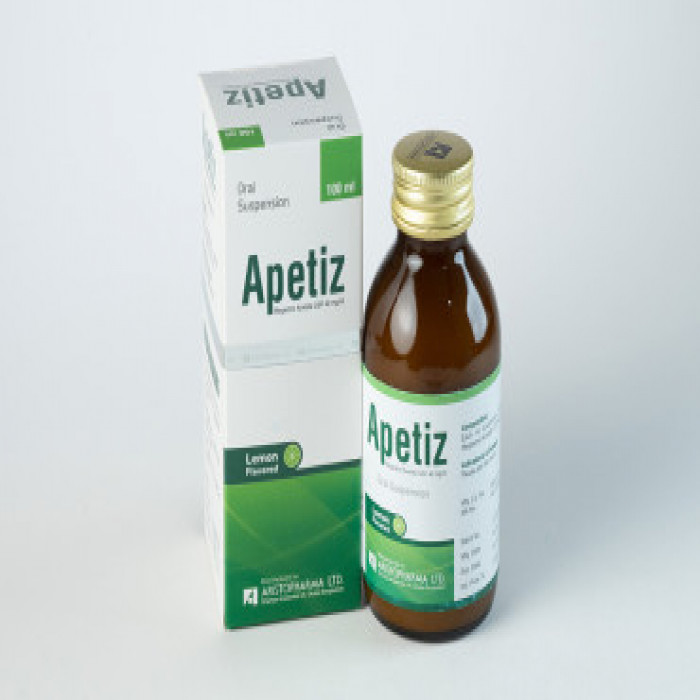
Apetiz Syrup 200ml
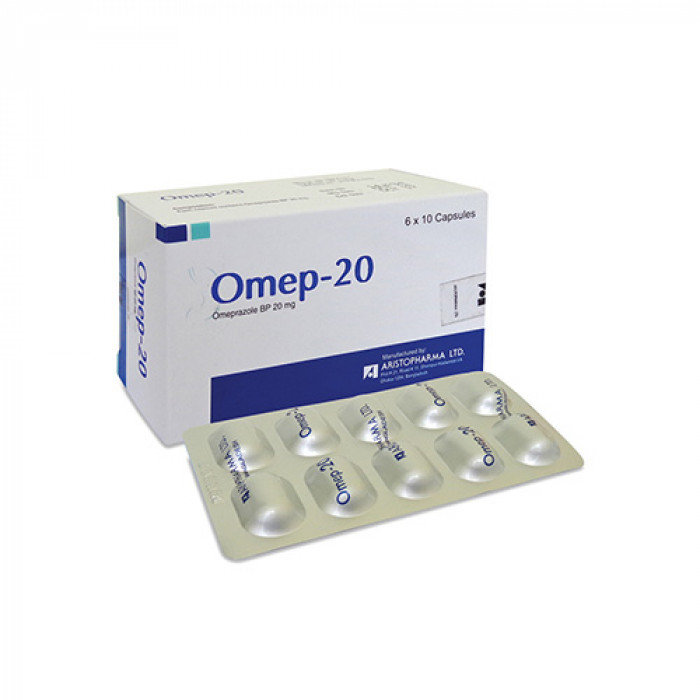
Omep 20mg Capsule 1 Strip
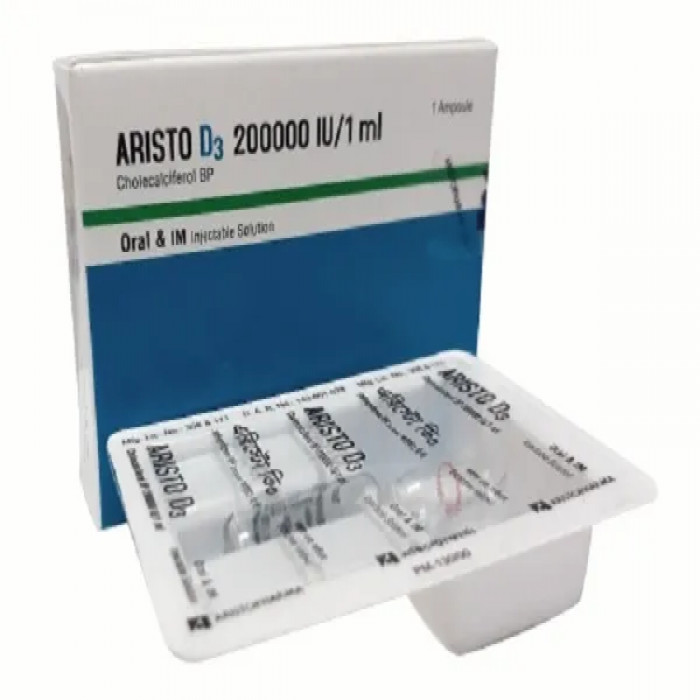
Aristo D3 200000 IU/1ml Injection
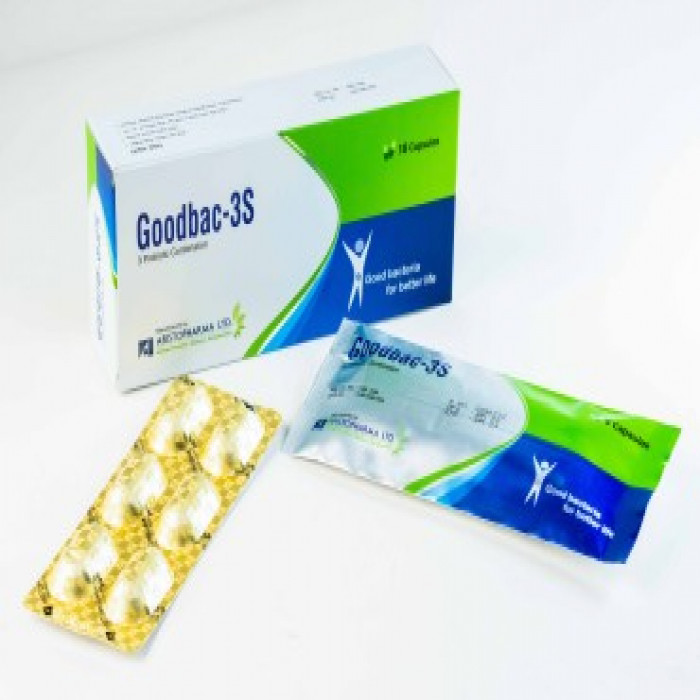
Goodbac 3S 4Billion Capsule 1 Strip
Audicare 0.3%+1%+0.025%+2% Ear Drops 10ml
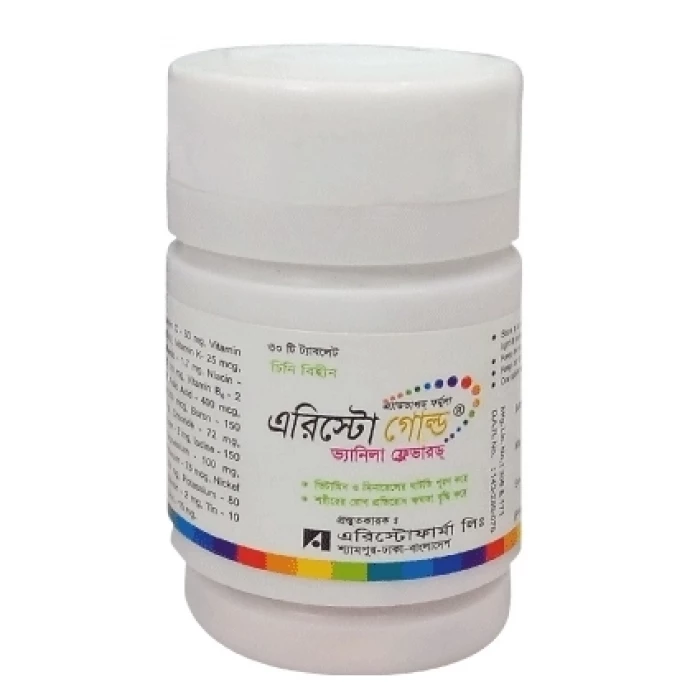
Aristo Gold Tablet (30pcs Pot)
Cutin 5mg Capsule 10pcs
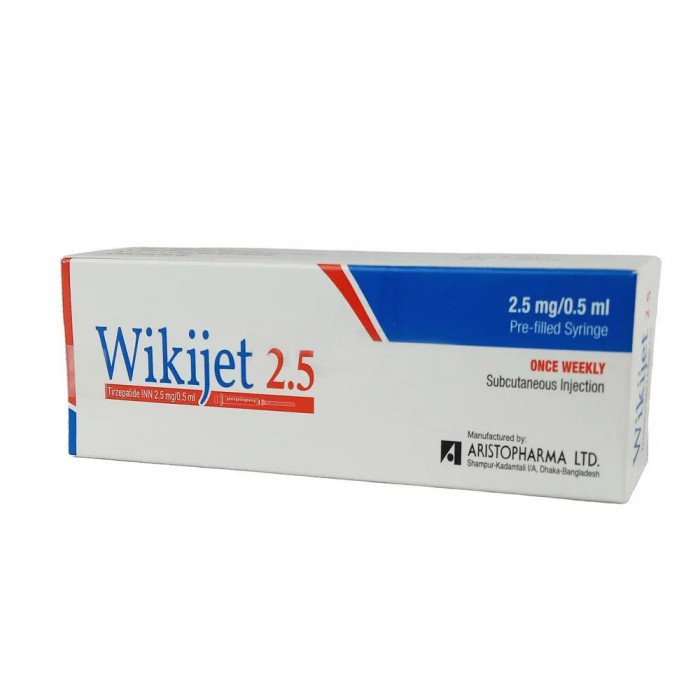
Wikijet 2.5mg/0.5ml Pre-Filled Syringe
সম্পর্কিত লেখা
✔️ Side Effects | Betaxol 0.5%
Ocular: Discomfort of short duration and occasional tearing have been reported. Rare instances of decreased corneal sensitivity, erythema, itching sensation, corneal punctate staining, keratitis, edema, and photophobia have been reported.
Systemic: Systemic reactions following administration of Betaxol ophthalmic solution 0.5% have been rarely reported. These include:
- Cardiovascular: bradycardia, heart block, congestive heart failure.
- Respiratory: bronchospasm, respiratory failure.
- Others: Hives, toxic epidermal necrolysis, hair loss, and glossitis.
✔️ Pregnancy & Lactation
There are no adequate & well controlled studies in pregnant women. Betaxolol ophthalmic solution should be used during pregnancy only if the potential benefit justifies the potential risk. It is not known whether Betaxolol is excreted in human milk. The risk of hypoglycemia & bradycardia in nursing infants has not been evaluated. Breastfeeding is not recommended during treatment.
✔️ Safety Information:
In patients with angle-closure glaucoma, the immediate treatment objective is to reopen the angle by constriction of the pupil with a miotic agent. Betaxol has no effect on the pupil; therefore, Betaxol should be used with a miotic agent to reduce elevated intraocular pressure in angle-closure glaucoma. Beta-adrenergic blocking agents should be administered with caution in patients subject to spontaneous hypoglycemia or in diabetic patients, as these agents may mask the signs and symptoms of acute hypoglycemia.
✔️ Storage:
Store at room temperature. It is desirable that the contents not be used more than one month after the first opening of the bottle.
⚠️Disclaimer:
At ePharma, we’re committed to providing accurate and accessible health information. However, all content is intended for informational purposes only and should not replace medical advice from a qualified physician. Please consult your healthcare provider for personalized guidance. We aim to support, not substitute, the doctor-patient relationship.
📦Pricing Information, Availability:
Product Availability & Pricing Notice
Please note that pricing, availability, and service offerings are subject to change due to: Market fluctuations, Manufacturer or supplier adjustments, Product discontinuation or temporary unavailability, Advertising errors. All orders depend on stock availability and staff resources. If services are provided on a time-and-materials basis, any shared estimates are for planning purposes only.

নির্ভরযোগ্য
All products displayed on ePharma are procured from govt. approved pharmaceuticals and verified licensed pharmacies from 2016.

নিরাপদ
ePharma uses Secure Sockets Layer (SSL) 128-bit 🔒 encryption and is Payment Card Industry DataSecurity Standard (PCI DSS) compliant.

সাশ্রয়ী
Find affordable medicine substitutes, save up to 50% on health products, up to 30% off on doctor consultations.

সামাজিক
Providing health care services under the health and beauty category with more than 170K Facebook audience and 10M+ reach.







Get more features!
Download the app now
✓ Doctor consultation ✓ 24/7 helpline