

✔ ১০০% অরিজিনাল পণ্য
👁️ 2725 বার দেখা হয়েছে
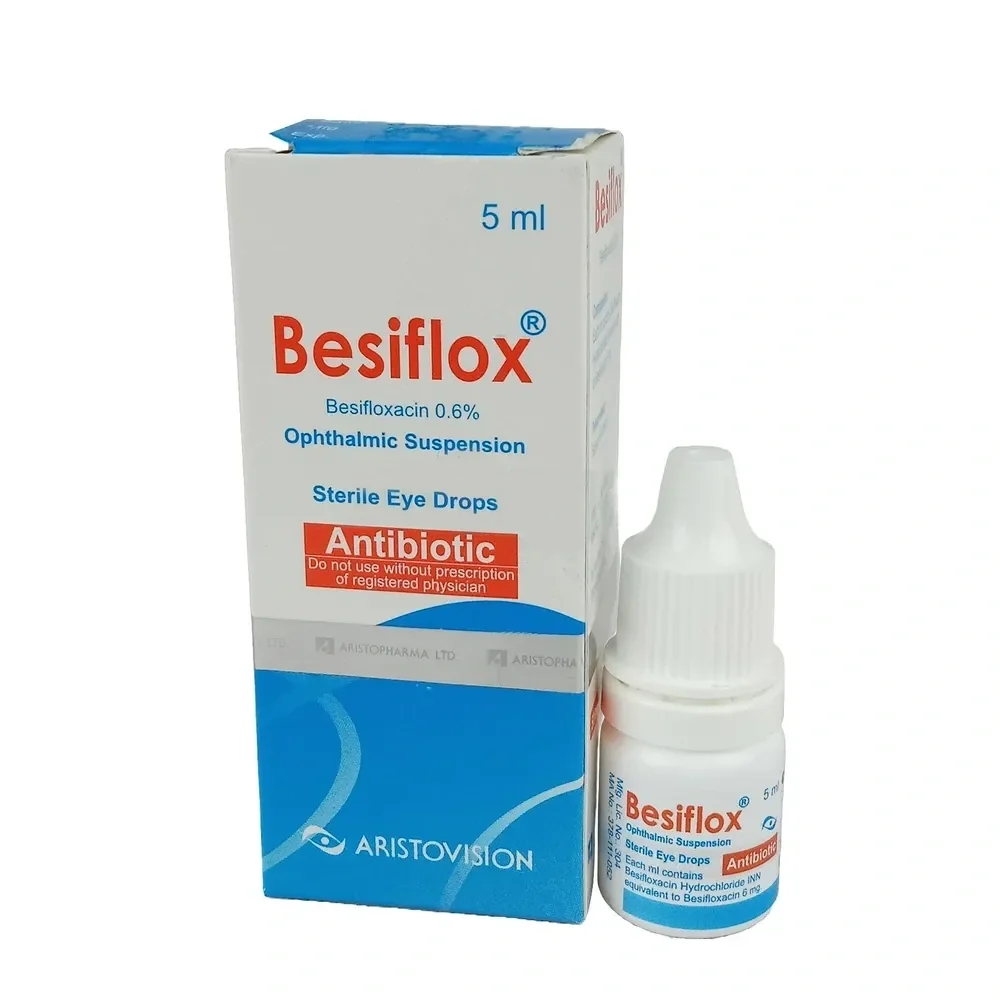
Besiflox 0.6% Eye Drop 5ml
Besiflox ophthalmic suspension is indicated for the treatment of bacterial conjunctivitis caused by susceptible isolates of the following bacteria:
- Corynebacterium pseudodiphtheriticum
- Corynebacterium striatum
- Haemophilus influenzae
- Moraxella lacunata
- Staphylococcus aureus
- Staphylococcus epidermidis
- Staphylococcus hominis
- Staphylococcus lugdunensis
- Streptococcus mitis group
- Streptococcus oralis
- Streptococcus pneumoniae
- Streptococcus salivarius
Efficacy for this organism was studied in fewer than 10 infections.
অফার মূল্য: ৳ 333
MRP:
৳
350.59
5%
ছাড়

১০০% অরিজিনাল পণ্যের নিশ্চয়তা

Safe & Secure Payments, Always

Fast, Secure & Efficient Delivery
Proper Packaging
 Cash on Delivery - All over Bangladesh
 Regular Delivery: 24-48 Hours, Dhaka City* Charge Tk.39-59
- Regular Delivery: 48-96 Hours, Other Cities* Charge Tk.99-125
 ফ্রি ডেলিভারিঃ - ১৪৯৯ টাকা+ অর্ডারে, ঢাকা
শহরে
- ফ্রি ডেলিভারিঃ - ৪৯৯৯ টাকা+ অর্ডারে, ঢাকার
বাহিরে
📲 মোবাইল অ্যাপ অর্ডারে সাশ্রয় বেশী
-
Google Play Store থেকে ডাউনলোড
-
Apple Store থেকে ডাউনলোড
১০০% অরিজিনাল পণ্যের নিশ্চয়তা
Safe & Secure Payments, Always
Fast, Secure & Efficient Delivery
Proper Packaging
- Cash on Delivery - All over Bangladesh
- Regular Delivery: 24-48 Hours, Dhaka City* Charge Tk.39-59
- Regular Delivery: 48-96 Hours, Other Cities* Charge Tk.99-125
- ফ্রি ডেলিভারিঃ - ১৪৯৯ টাকা+ অর্ডারে, ঢাকা
শহরে
- ফ্রি ডেলিভারিঃ - ৪৯৯৯ টাকা+ অর্ডারে, ঢাকার
বাহিরে
- Google Play Store থেকে ডাউনলোড
- Apple Store থেকে ডাউনলোড
📲 মোবাইল অ্যাপ অর্ডারে সাশ্রয় বেশী
✅ বিবরণ:
Besifloxacin is an 8-chloro fluoroquinolone with an N-1 cyclopropyl group. The compound has activity against Gram-positive and Gram-negative bacteria due to the inhibition of both bacterial DNA gyrase and topoisomerase IV. DNA gyrase is an essential enzyme required for replication, transcription, and repair of bacterial DNA. Topoisomerase IV is an essential enzyme required for partitioning of the chromosomal DNA during bacterial cell division.
Plasma concentrations of Besifloxacin were measured in adult patients with suspected bacterial conjunctivitis who received Besifloxacin bilaterally three times a day (16 doses total). Following the first and last dose, the maximum plasma Besifloxacin concentration in each patient was less than 1.3 ng/ml. The mean Besifloxacin Cmax was 0.37 ng/ml on day 1 and 0.43 ng/ml on day 6. The average elimination half-life of Besifloxacin in plasma following multiple dosing was estimated to be 7 hours.
Adults and children (1 year of age and older): Instill one drop in the affected eye(s) 3 times a day for 7 days.
Pediatric Use: The safety and effectiveness of Besifloxacin in infants below one year of age have not been established. The efficacy of Besifloxacin in treating bacterial conjunctivitis in pediatric patients one year or older has been demonstrated in controlled clinical trials.
Geriatric Use: No overall differences in safety and effectiveness have been observed between elderly and younger patients.
The most frequently reported ocular adverse event was conjunctival redness, reported in approximately 2% of patients. Other adverse events reported in patients receiving Besiflox occurring in approximately 1-2% of patients included: blurred vision, eye pain, eye irritation, eye pruritus, and headache.
Pregnancy Category C. No adequate and well-controlled studies are available in pregnant women. Besifloxacin has not been measured in human milk, although it can be presumed to be excreted in human milk. Caution should be exercised when Besifloxacin is administered to a nursing mother.
Besiflox is for topical ophthalmic use only and should not be injected subconjunctivally, nor should it be introduced directly into the anterior chamber of the eye. As with other anti-infectives, prolonged use may result in overgrowth of non-susceptible organisms, including fungi. If superinfection occurs, discontinue use and institute alternative therapy. To prevent contamination, do not touch the tip of the dropper to the eye, eyelid, or any surface of the affected eye. Patients should not wear contact lenses during the course of therapy with Besiflox. Shake well before use.
Store at room temperature; protect from light and moisture. It is desirable that the contents should not be used more than one month after first opening of the bottle. Shake well before use.

Aristopharma Limited-এর আরও পণ্য
এই প্রস্তুতকারক বা ব্র্যান্ডের জনপ্রিয় পণ্য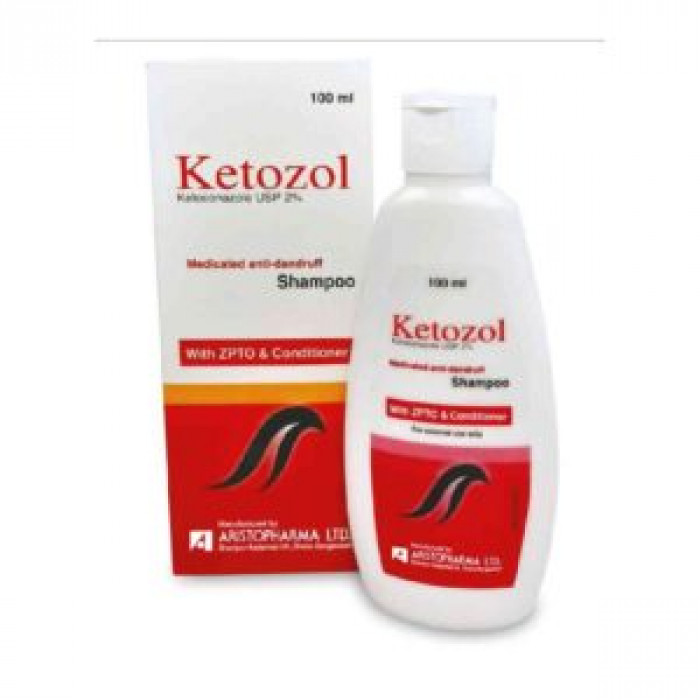
Ketozol 2% Medicated Anti-Dandruff Scalp Shampoo 100ml
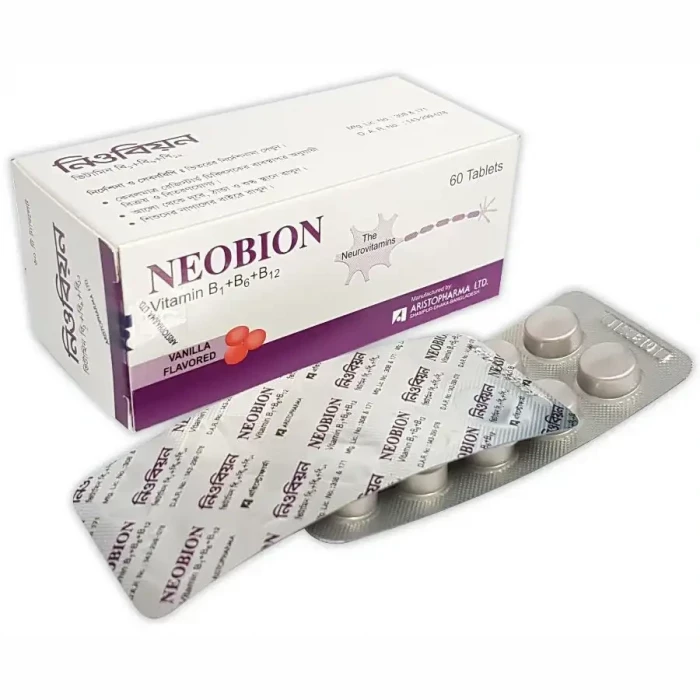
Neobion 100mg+200mg+200mcg Tablet
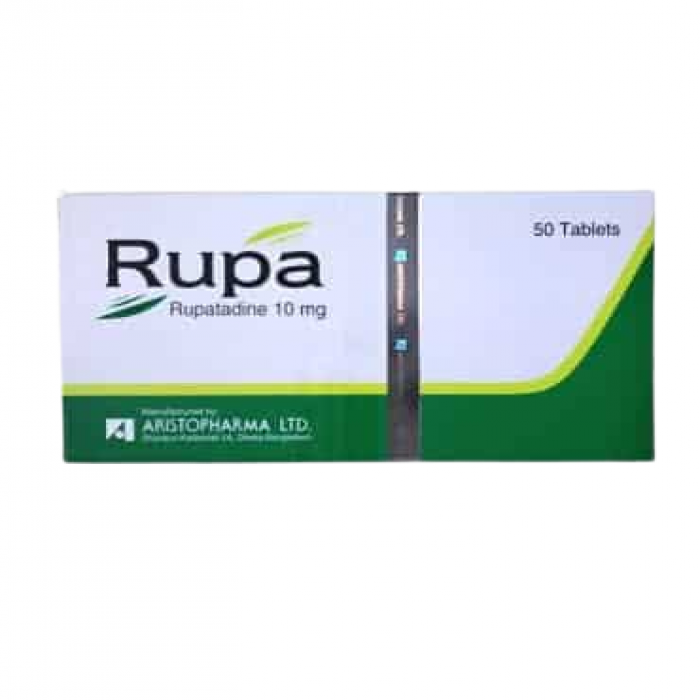
Rupa 10mg Tablet
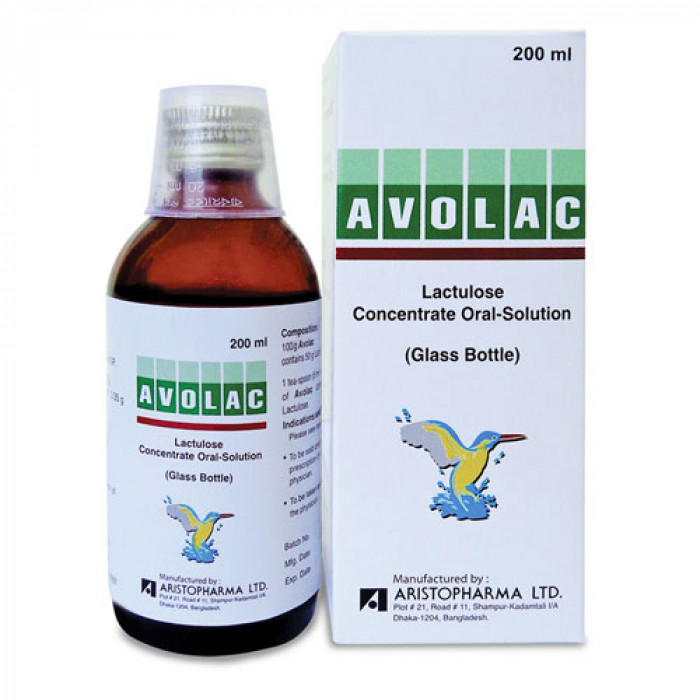
Avolac Oral Solution 200ml
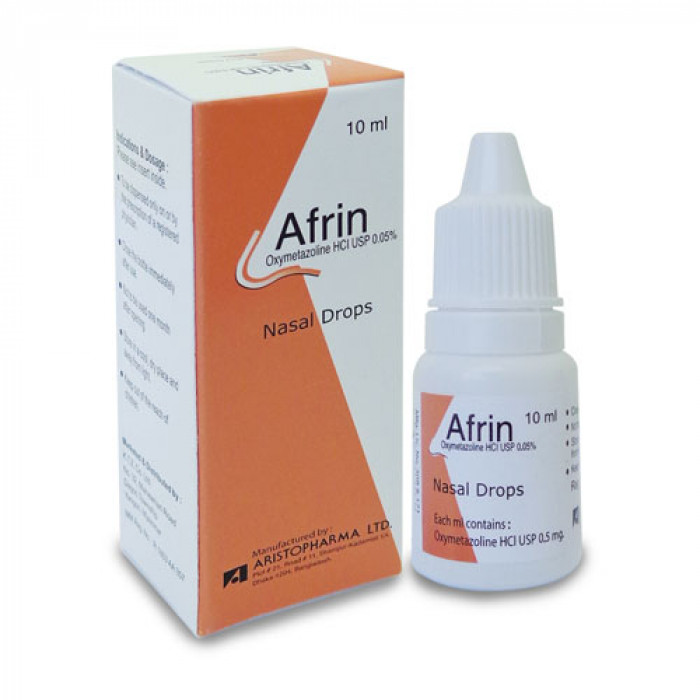
Afrin 0.05% Nasal Drops

Rabe 20mg Tablet
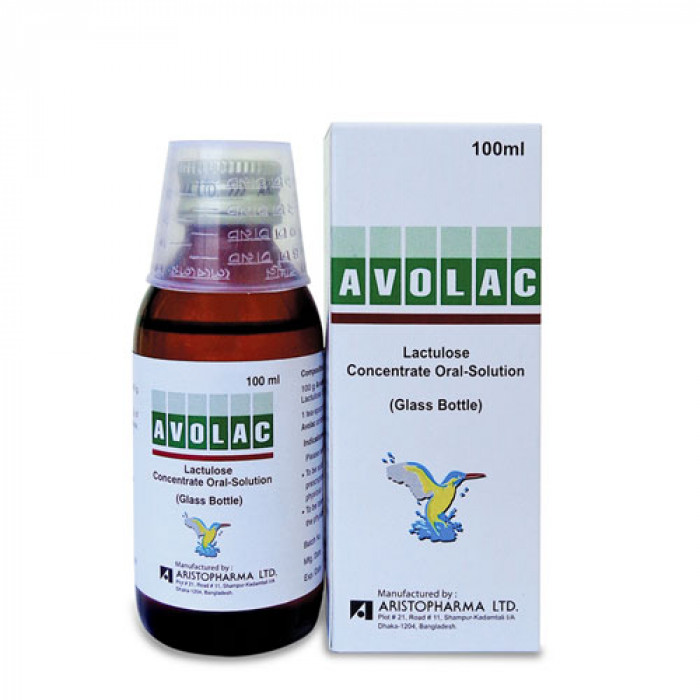
Avolac Oral Solution 100ml
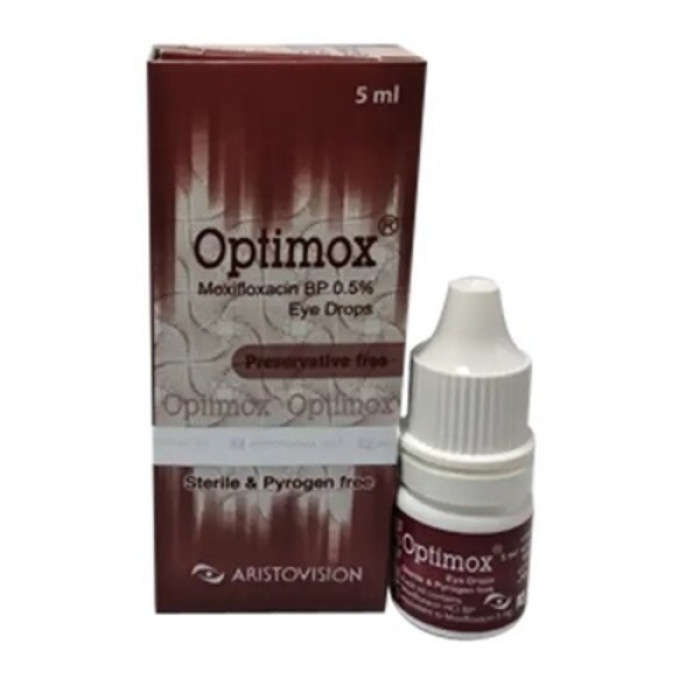
Optimox 0.5% Eye Drops 5ml
সম্পর্কিত লেখা

⚠️Disclaimer:
At ePharma, we’re committed to providing accurate and accessible health information. However, all content is intended for informational purposes only and should not replace medical advice from a qualified physician. Please consult your healthcare provider for personalized guidance. We aim to support, not substitute, the doctor-patient relationship.
📦Pricing Information, Availability:
Product Availability & Pricing Notice
Please note that pricing, availability, and service offerings are subject to change due to: Market fluctuations, Manufacturer or supplier adjustments, Product discontinuation or temporary unavailability, Advertising errors. All orders depend on stock availability and staff resources. If services are provided on a time-and-materials basis, any shared estimates are for planning purposes only.

নির্ভরযোগ্য
All products displayed on ePharma are procured from govt. approved pharmaceuticals and verified licensed pharmacies from 2016.

নিরাপদ
ePharma uses Secure Sockets Layer (SSL) 128-bit 🔒 encryption and is Payment Card Industry DataSecurity Standard (PCI DSS) compliant.

সাশ্রয়ী
Find affordable medicine substitutes, save up to 50% on health products, up to 30% off on doctor consultations.

সামাজিক
Providing health care services under the health and beauty category with more than 170K Facebook audience and 10M+ reach.







Get more features!
Download the app now
✓ Doctor consultation ✓ 24/7 helpline