


✔ ১০০% অরিজিনাল পণ্য
👁️ 135 বার দেখা হয়েছে
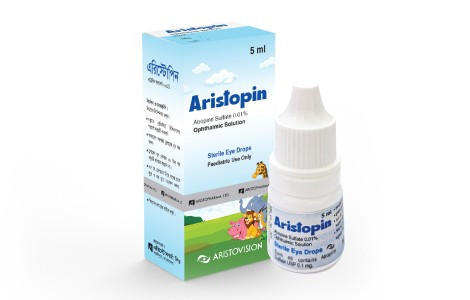
Aristopin 0.01% Eye Drop
Aristopin 0.01% Eye Drop contains atropine sulfate 0.1 mg/mL (0.01%) and is a low-dose ophthalmic preparation primarily used to help slow the progression of myopia (short-sightedness) in children. It may be considered for children aged 4–14 years when myopia is progressing, under the supervision of an eye specialist.
Atropine affects muscarinic receptors in the eye and is thought to influence mechanisms involved in ocular growth. Long-term treatment may help reduce the rate of increase in axial eye length and thereby slow myopia progression.
অফার মূল্য: ৳ 143
MRP:
৳
150
5%
ছাড়

১০০% অরিজিনাল পণ্যের নিশ্চয়তা

Safe & Secure Payments, Always

Fast, Secure & Efficient Delivery

Proper Packaging
 Cash on Delivery - All over Bangladesh
 Regular Delivery: 24-48 Hours, Dhaka City* Charge Tk.39-59
- Regular Delivery: 48-96 Hours, Other Cities* Charge Tk.99-125
 ফ্রি ডেলিভারিঃ - ১৪৯৯ টাকা+ অর্ডারে, ঢাকা
শহরে
ফ্রি ডেলিভারিঃ - ১৪৯৯ টাকা+ অর্ডারে, ঢাকা
শহরে- ফ্রি ডেলিভারিঃ - ৪৯৯৯ টাকা+ অর্ডারে, ঢাকার
বাহিরে
📲 মোবাইল অ্যাপ অর্ডারে সাশ্রয় বেশী
-
Google Play Store থেকে ডাউনলোড
-
Apple Store থেকে ডাউনলোড
১০০% অরিজিনাল পণ্যের নিশ্চয়তা
Safe & Secure Payments, Always
Fast, Secure & Efficient Delivery
Proper Packaging
- Cash on Delivery - All over Bangladesh
- Regular Delivery: 24-48 Hours, Dhaka City* Charge Tk.39-59
- Regular Delivery: 48-96 Hours, Other Cities* Charge Tk.99-125
- ফ্রি ডেলিভারিঃ - ১৪৯৯ টাকা+ অর্ডারে, ঢাকা
শহরে
- ফ্রি ডেলিভারিঃ - ৪৯৯৯ টাকা+ অর্ডারে, ঢাকার
বাহিরে
- Google Play Store থেকে ডাউনলোড
- Apple Store থেকে ডাউনলোড
📲 মোবাইল অ্যাপ অর্ডারে সাশ্রয় বেশী
✅ বিবরণ:
Aristopin 0.01% should be used under the supervision of an ophthalmologist, particularly during long-term treatment.
Regular eye examinations are recommended to monitor:
- Myopia progression
- Intraocular pressure
- Anterior segment development
- Retinal health
- Overall ocular response to treatment
Use extra caution in children with Down syndrome, spastic paralysis, brain damage, or a previous severe systemic reaction to atropine, as increased sensitivity may occur.
The provided product information recommends that this preparation not be used in children younger than 4 years.
If too many drops are accidentally administered, seek medical advice promptly. In case of excessive exposure, rinse the eye with clean water if appropriate and obtain emergency medical assistance if symptoms develop.
Possible signs of atropine toxicity include:
- Rapid heartbeat
- Headache
- Dry mouth
- Dry or flushed skin
- Unusual drowsiness
- Restlessness or confusion
- Increased body temperature
- Visual disturbances

প্রাসঙ্গিক পণ্য
একই জেনেরিকের বিকল্প পণ্য, গ্রাহকের আগ্রহ অনুযায়ী সাজানো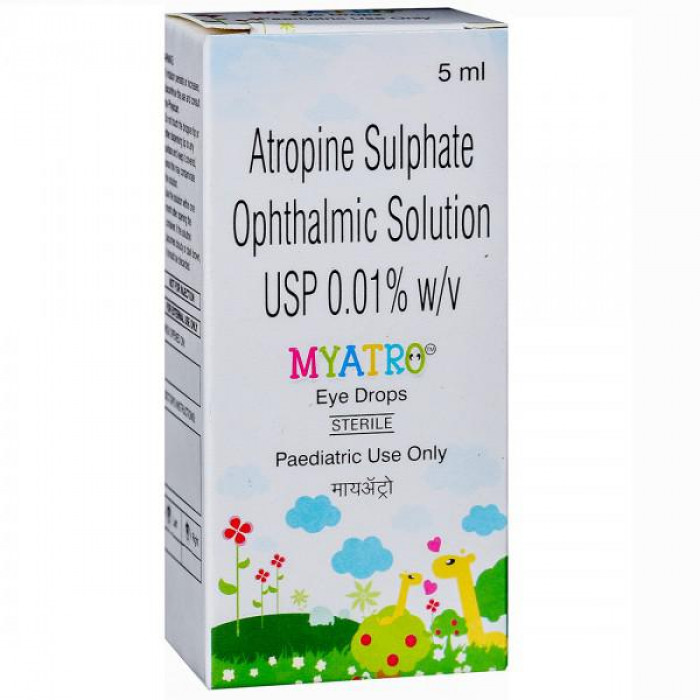
Myatro Atropine Sulphate 0.01% Ophthalmic Solution 5ml
Aristopharma Limited-এর আরও পণ্য
এই প্রস্তুতকারক বা ব্র্যান্ডের জনপ্রিয় পণ্য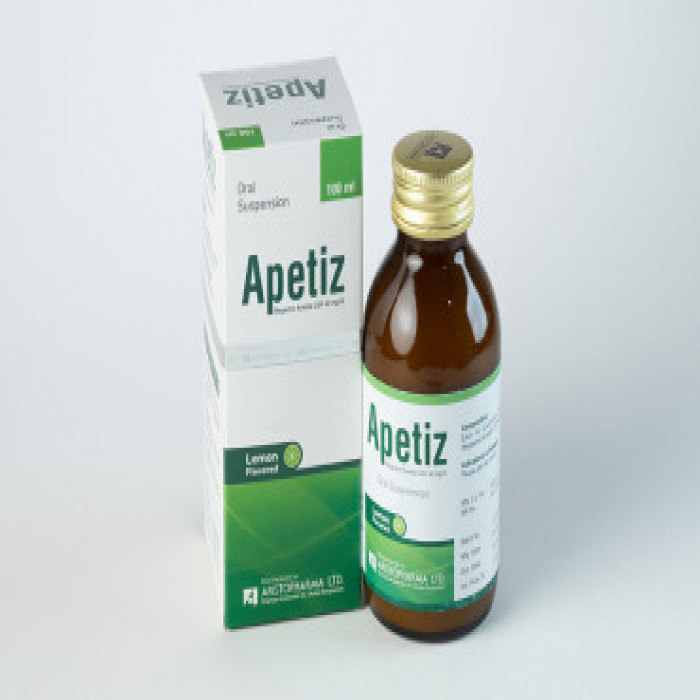
Apetiz Syrup 200ml
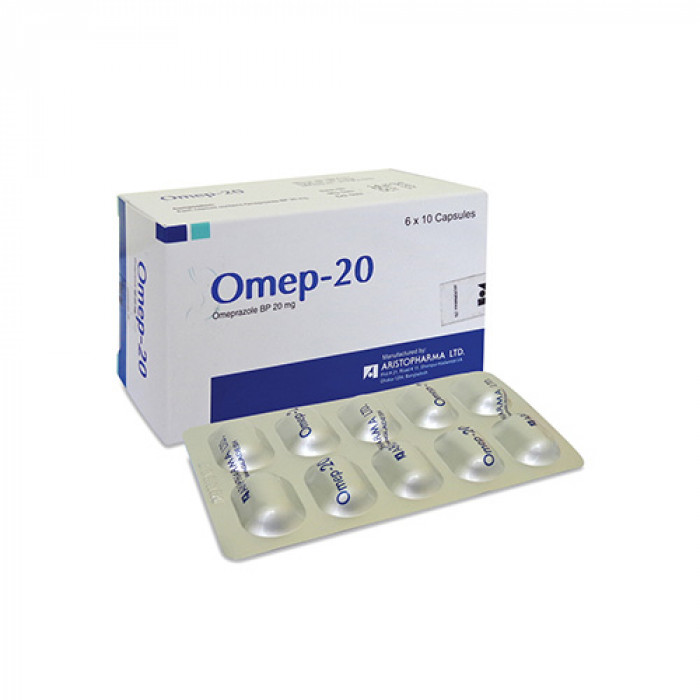
Omep 20mg Capsule 1 Strip
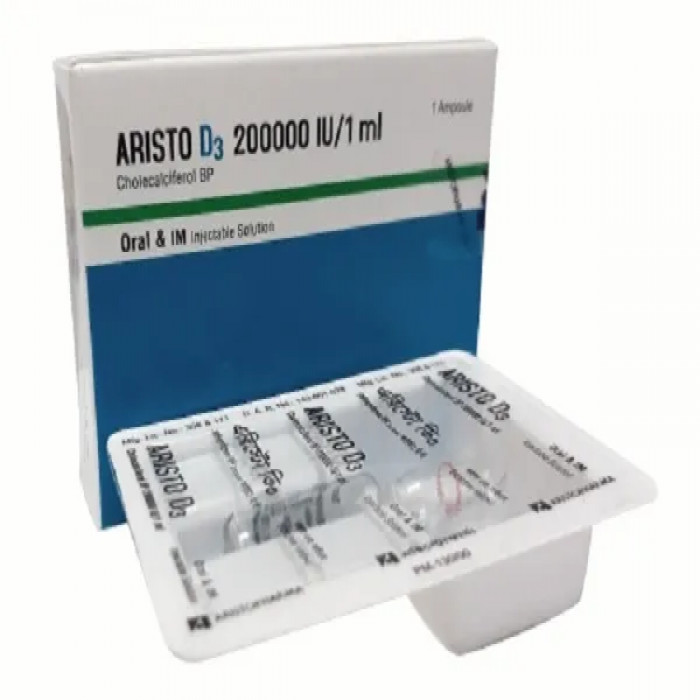
Aristo D3 200000 IU/1ml Injection
Goodbac 3S 4Billion Capsule 1 Strip
Audicare 0.3%+1%+0.025%+2% Ear Drops 10ml
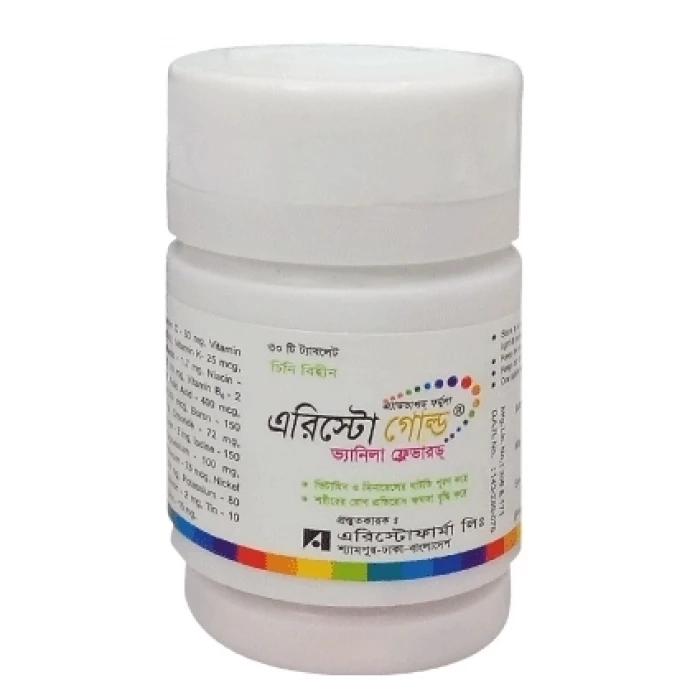
Aristo Gold Tablet (30pcs Pot)
Cutin 5mg Capsule 10pcs
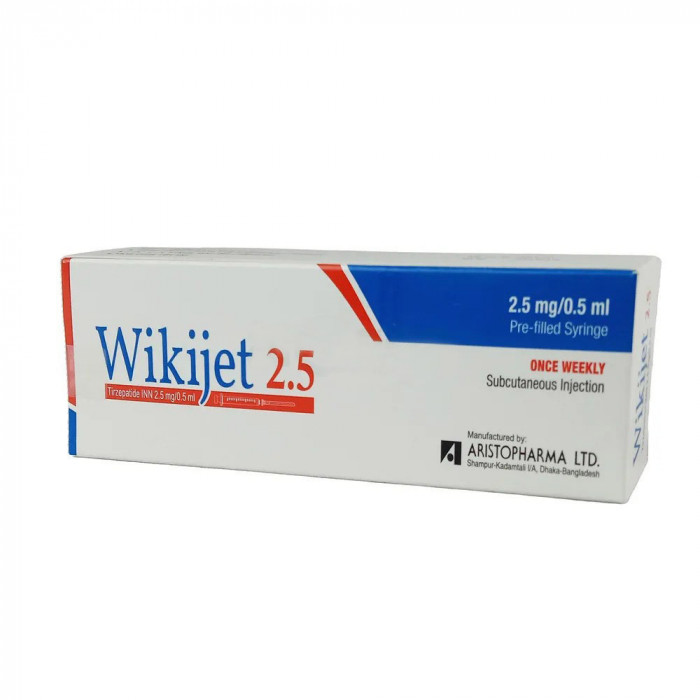
Wikijet 2.5mg/0.5ml Pre-Filled Syringe
কীভাবে অর্ডার করবেন?কীভাবে অর্ডার করবেন?
How to Orderওয়েবসাইট থেকে অর্ডার করার সহজ ভিডিও গাইড।
অ্যাপ থেকে অর্ডারের সহজ ভিডিও গাইড
অ্যাপ ডাউনলোডePharma অ্যাপ ডাউনলোড বিস্তারিত গাইড ›অ্যাপে অর্ডারের বিস্তারিত গাইডসম্পর্কিত লেখা

✔️ Uses of Aristopin 0.01%
- Slowing the progression of myopia in children aged 4–14 years
- May be started when progressive myopia is identified by an ophthalmologist
Note: Higher-strength atropine ophthalmic preparations, such as 1%, have different uses, including pupil dilation and cycloplegia during eye examinations and management of certain inflammatory eye conditions. These indications should not be applied to the 0.01% preparation without medical advic
✔️ How Aristopin 0.01% Works
Atropine is an antimuscarinic medicine. Muscarinic receptors are present in several ocular tissues and are involved in processes related to eye growth and accommodation.
Low-dose atropine is believed to act on ocular muscarinic pathways, potentially involving receptors in the retina and sclera. These effects may influence cellular signaling and scleral remodeling, helping reduce excessive axial elongation of the eye and consequently slowing the progression of myopia.
The exact mechanism by which low-dose atropine controls myopia progression has not been fully established.
✔️ Each mL of Aristopin 0.01% Eye Drop contains:
- Atropine Sulfate USP 0.1 mg
- Preservative: Sodium perborate 0.01%
✔️ How to Use Aristopin 0.01%
- Wash and dry your hands before use.
- Tilt the child's head backward and gently pull down the lower eyelid.
- Place one drop into the affected eye without allowing the dropper tip to touch the eye, eyelashes, eyelids, or other surfaces.
- Close the eye gently after administration.
- Apply gentle pressure to the tear duct for about one minute.
- Replace the cap immediately after use.
✔️ Side Effects:
- Temporary blurred vision
- Eye irritation or discomfort
- Increased sensitivity to light (photophobia)
- Conjunctival redness or congestion
- Follicular conjunctivitis
- Eyelid or surrounding skin irritation
- Contact or eczematous dermatitis
- Eye swelling or discharge
✔️ Dosage & Administration
Children aged 4–14 years:
Instill 1 drop into each eye once daily at bedtime, or use exactly as prescribed by the ophthalmologist.
Treatment may need to continue for an extended period to obtain the intended benefit. Long-term treatment should be monitored regularly by an eye-care professional.
After applying the drop, gently close the eyes and apply light pressure over the tear duct near the inner corner of the eye for approximately 1 minute. This may help reduce systemic absorption.
✔️ Interaction
Tell your doctor about all medicines the child is taking. Atropine may interact with medicines that have anticholinergic effects and certain ophthalmic or systemic medicines, including:
- Other anticholinergic medicines
- Certain antiglaucoma medicines
- Carbachol
- Physostigmine
- Pilocarpine
- Potassium supplements or potassium-containing preparations
- Certain central nervous system medicines
✔️ Contraindications:
Aristopin 0.01% should not be used in patients with angle-closure glaucoma or when angle-closure glaucoma is suspected. Children who may be at risk of glaucoma should undergo appropriate eye assessment before treatment.
Do not use the medicine in individuals with known hypersensitivity to atropine or any component of the formulation.
✔️ Safety Information:
Aristopin 0.01% is primarily intended for pediatric use. Atropine can be absorbed systemically following ocular administration, although the amount is expected to be small with ophthalmic use.
Systemically absorbed atropine can enter breast milk in very small amounts. Breastfeeding mothers should consult a healthcare professional before using atropine eye drops, particularly if prolonged treatment is required.
✔️ Storage:
Store below 30°C in a dry place and protect from light. Keep out of the reach of children.
Do not allow the dropper tip to touch the eye, fingers, or other surfaces, as this may contaminate the preparation. Close the bottle tightly after each use and follow the manufacturer's instructions regarding how long the product may be used after opening.
⚠️Disclaimer:
At ePharma, we’re committed to providing accurate and accessible health information. However, all content is intended for informational purposes only and should not replace medical advice from a qualified physician. Please consult your healthcare provider for personalized guidance. We aim to support, not substitute, the doctor-patient relationship.
📦Pricing Information, Availability:
Product Availability & Pricing Notice
Please note that pricing, availability, and service offerings are subject to change due to: Market fluctuations, Manufacturer or supplier adjustments, Product discontinuation or temporary unavailability, Advertising errors. All orders depend on stock availability and staff resources. If services are provided on a time-and-materials basis, any shared estimates are for planning purposes only.

নির্ভরযোগ্য
All products displayed on ePharma are procured from govt. approved pharmaceuticals and verified licensed pharmacies from 2016.

নিরাপদ
ePharma uses Secure Sockets Layer (SSL) 128-bit 🔒 encryption and is Payment Card Industry DataSecurity Standard (PCI DSS) compliant.

সাশ্রয়ী
Find affordable medicine substitutes, save up to 50% on health products, up to 30% off on doctor consultations.

সামাজিক
Providing health care services under the health and beauty category with more than 170K Facebook audience and 10M+ reach.







Get more features!
Download the app now
✓ Doctor consultation ✓ 24/7 helpline