



✔ ১০০% অরিজিনাল পণ্য
👁️ 11 বার দেখা হয়েছে
Acyvir 5% Cream 10g Tube
Acyclovir is a synthetic purine nucleoside analogue with antiviral activity against Herpes simplex virus types 1 and 2 (HSV-1 and HSV-2) and Varicella-zoster virus (VZV).
In virus-infected cells, acyclovir is initially converted to acyclovir monophosphate by viral thymidine kinase. It is subsequently converted by cellular enzymes to acyclovir diphosphate and then to the active triphosphate form.
Acyclovir triphosphate inhibits viral DNA polymerase and becomes incorporated into viral DNA, thereby interfering with viral DNA synthesis and inhibiting viral replication.
Following topical application to intact skin, systemic absorption of acyclovir is minimal.
অফার মূল্য: ৳ 56
MRP:
৳
60
6%
ছাড়

১০০% অরিজিনাল পণ্যের নিশ্চয়তা

Safe & Secure Payments, Always

Fast, Secure & Efficient Delivery

Proper Packaging
 Cash on Delivery - All over Bangladesh
 Regular Delivery: 24-48 Hours, Dhaka City* Charge Tk.39-59
- Regular Delivery: 48-96 Hours, Other Cities* Charge Tk.99-125
 ফ্রি ডেলিভারিঃ - ১৪৯৯ টাকা+ অর্ডারে, ঢাকা
শহরে
ফ্রি ডেলিভারিঃ - ১৪৯৯ টাকা+ অর্ডারে, ঢাকা
শহরে- ফ্রি ডেলিভারিঃ - ৪৯৯৯ টাকা+ অর্ডারে, ঢাকার
বাহিরে
📲 মোবাইল অ্যাপ অর্ডারে সাশ্রয় বেশী
-
Google Play Store থেকে ডাউনলোড
-
Apple Store থেকে ডাউনলোড
১০০% অরিজিনাল পণ্যের নিশ্চয়তা
Safe & Secure Payments, Always
Fast, Secure & Efficient Delivery
Proper Packaging
- Cash on Delivery - All over Bangladesh
- Regular Delivery: 24-48 Hours, Dhaka City* Charge Tk.39-59
- Regular Delivery: 48-96 Hours, Other Cities* Charge Tk.99-125
- ফ্রি ডেলিভারিঃ - ১৪৯৯ টাকা+ অর্ডারে, ঢাকা
শহরে
- ফ্রি ডেলিভারিঃ - ৪৯৯৯ টাকা+ অর্ডারে, ঢাকার
বাহিরে
- Google Play Store থেকে ডাউনলোড
- Apple Store থেকে ডাউনলোড
📲 মোবাইল অ্যাপ অর্ডারে সাশ্রয় বেশী
✅ বিবরণ:
Acyclovir ophthalmic ointment is a different formulation from Acyvir topical cream and is used for certain herpes simplex eye infections. Acyvir 10 g cream should not be applied to the eye. If the product is intended to treat herpes simplex keratitis or another eye infection, an ophthalmic formulation specifically prescribed for ocular use should be used.
Acyvir 10 gm Cream contains Acyclovir, an antiviral medicine used for the treatment of Herpes simplex virus (HSV) infections of the skin, including initial and recurrent herpes labialis (cold sores) and genital herpes, as prescribed by a doctor.
Treatment should be started as early as possible after the appearance of symptoms or lesions.

প্রাসঙ্গিক পণ্য
একই জেনেরিকের বিকল্প পণ্য, গ্রাহকের আগ্রহ অনুযায়ী সাজানো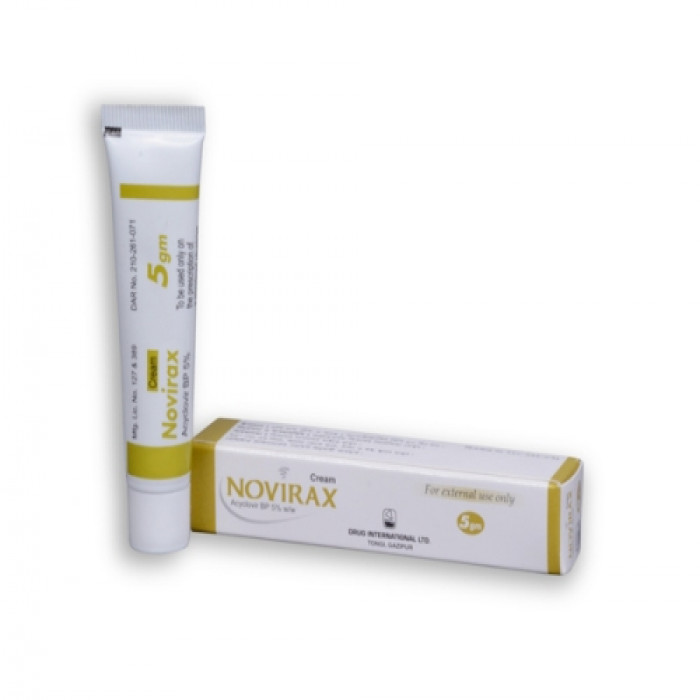
Novirax 5% Cream 5gm
Aciclon Ophthalmic Ointment
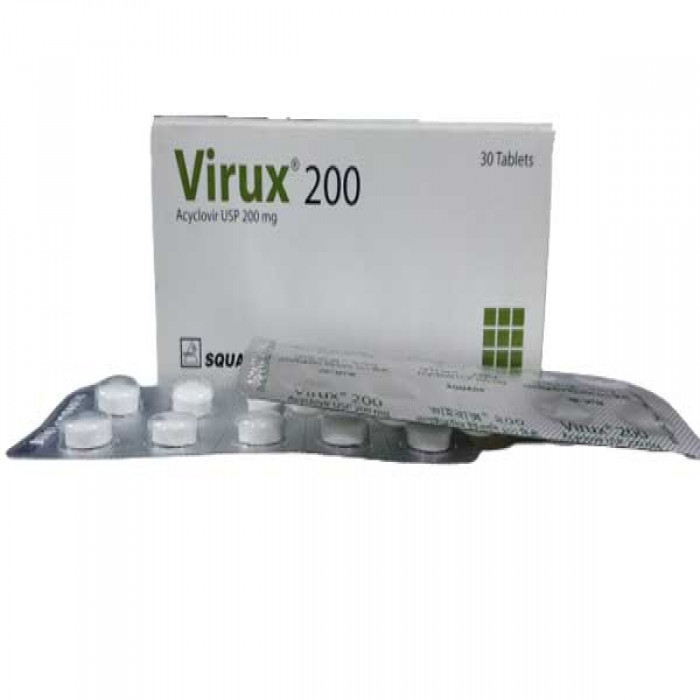
Virux 200mg 10pcs
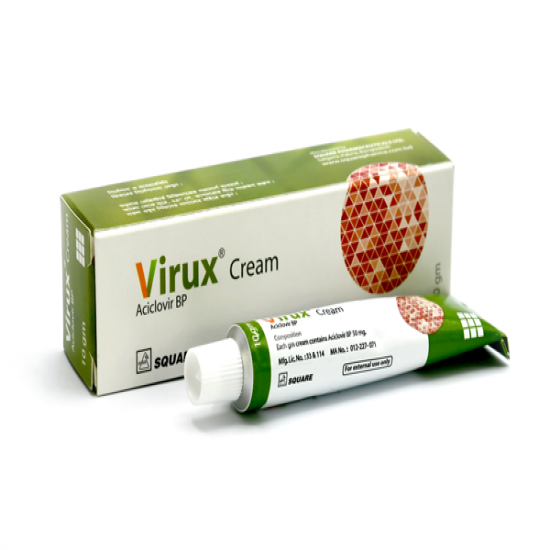
Xovir 5% Cream | 10g

Xovir 200
Aristopharma Limited-এর আরও পণ্য
এই প্রস্তুতকারক বা ব্র্যান্ডের জনপ্রিয় পণ্য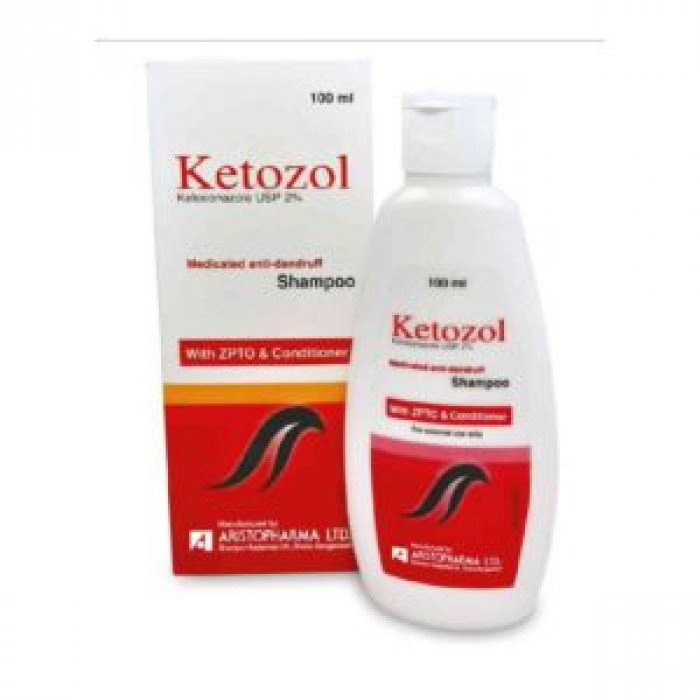
Ketozol 2% Medicated Anti-Dandruff Scalp Shampoo 100ml
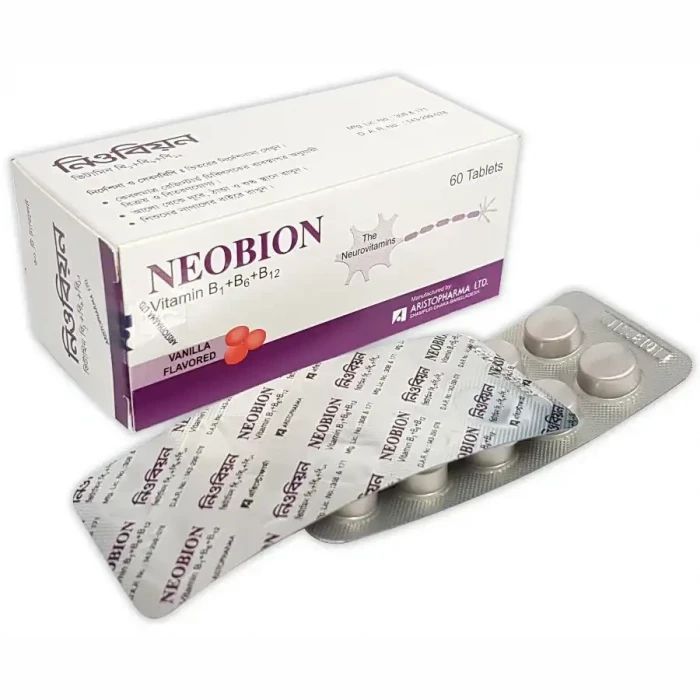
Neobion Vanilla Flavored Neurovitamins 1 Strip
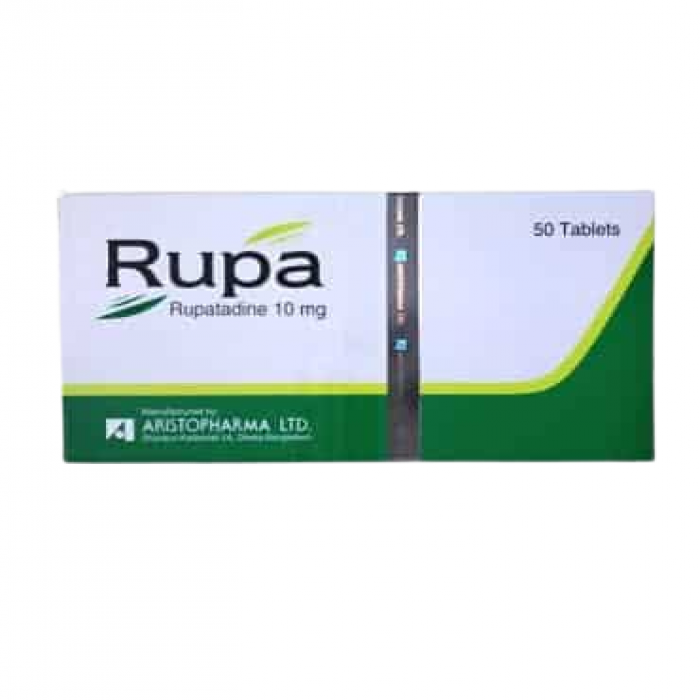
Rupa 10mg Tablet
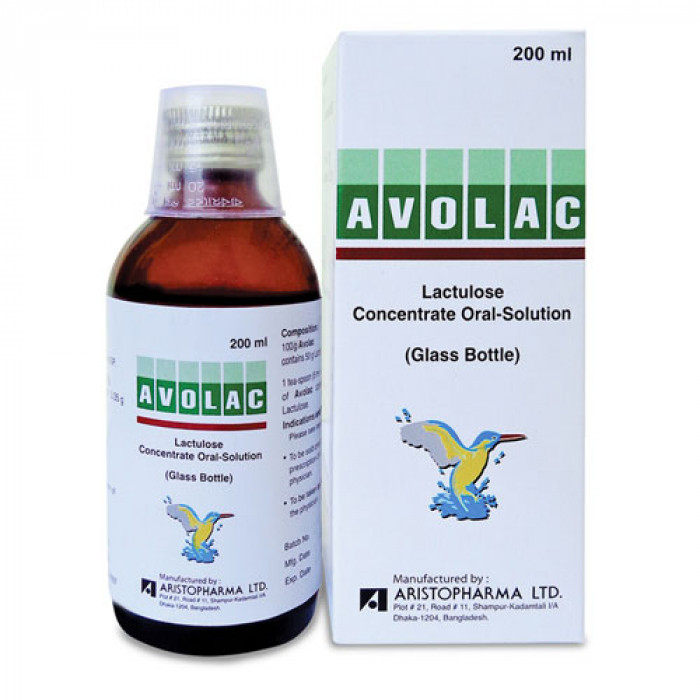
Avolac Oral Solution 200ml
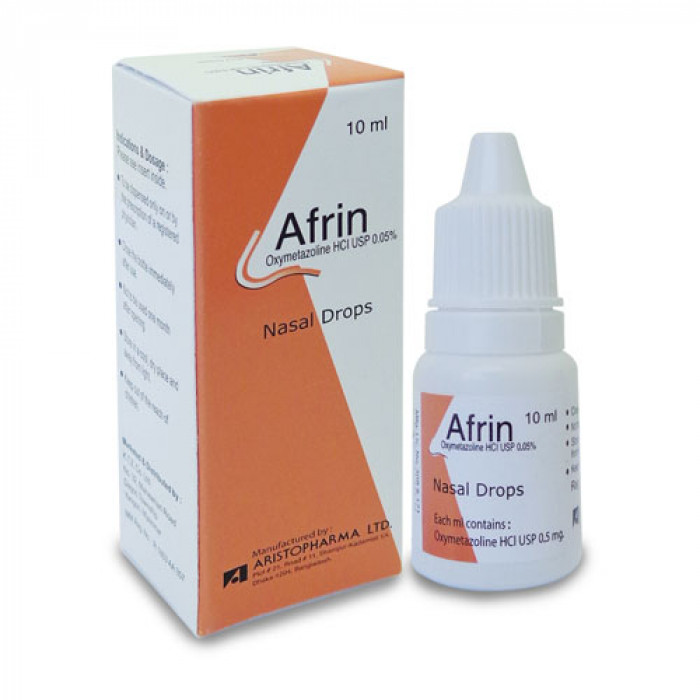
Afrin 0.05% Nasal Drops
Rabe 20mg Tablet
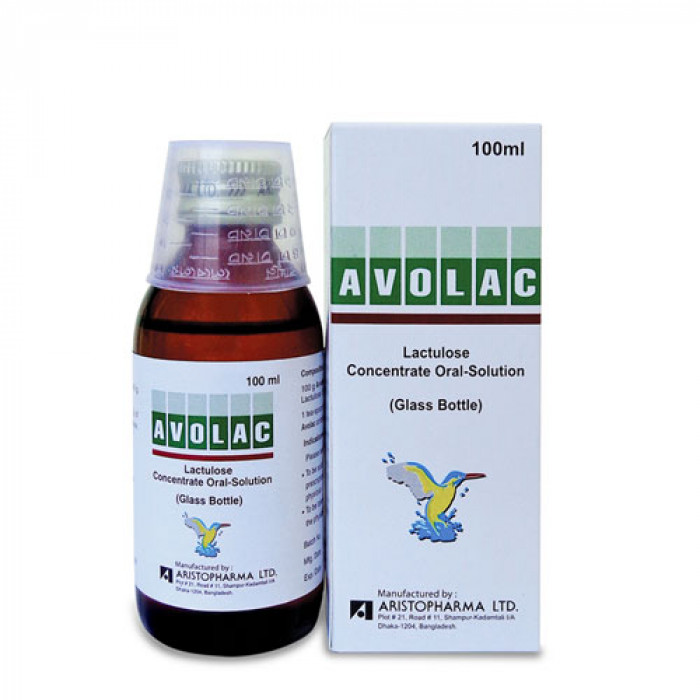
Avolac Oral Solution 100ml
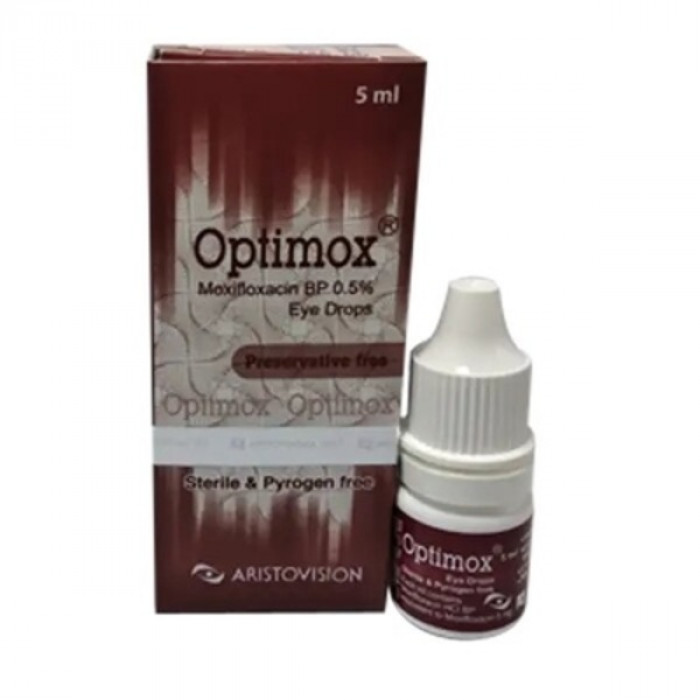
Optimox Eye Drops 0.5%
সম্পর্কিত লেখা


✔️ Dosage & Administration
Acyclovir cream should be applied to the affected skin 5 times daily for 5–10 days, or for the duration recommended by the physician.
- Apply a thin layer to the affected area as directed.
- Keep the affected area clean and dry.
- Wash your hands before and after application.
- Avoid unnecessary touching or rubbing of the lesions.
- Treatment should be started as early as possible after symptoms appear.
- Do not use more frequently than recommended.
Pediatric Use
Safety and effectiveness of topical Acyclovir Cream have not been established in children below 12 years of age.
Geriatric Use
Clinical experience has not identified significant differences in response between elderly and younger adults. Systemic absorption following topical administration is minimal.
Safety and effectiveness in children below 12 years of age have not been established for this formulation.
✔️ Acyvir Cream is contraindicated in patients with known hypersensitivity to:
- Acyclovir
- Valacyclovir
- Any component of the formulation
✔️ Side Effect
- Burning or stinging sensation
- Itching
- Skin dryness
- Redness
- Flaking or scaling
- Skin irritation
- Dry or cracked lips when applied around the lips
✔️ Directions for Use:
- Wash your hands before applying the cream.
- Clean and gently dry the affected area.
- Apply a thin layer of Acyvir cream to the affected skin.
- Wash your hands again after application unless you are treating your hands.
Important: Acyvir cream is intended for external cutaneous use only. Do not apply it inside the eyes, mouth, nose, or other mucous membranes.
✔️ Pregnancy & Lactation
Acyclovir should be used during pregnancy only when a healthcare professional deems it necessary and when the potential benefits outweigh the risks.
Acyclovir can pass into breast milk following systemic administration. Because systemic absorption from topical application is minimal, exposure is expected to be low; nevertheless, breastfeeding mothers should consult their doctor before use.
✔️ Interaction
No clinically significant interactions are generally expected with topical Acyclovir because systemic absorption is minimal.
However, certain medicines such as probenecid, cimetidine, and mycophenolate mofetil may increase systemic acyclovir concentrations when acyclovir is administered systemically. Such interactions are unlikely to be clinically significant with topical cream because of its minimal systemic absorption.
Inform your doctor or pharmacist about all medicines and supplements you are taking.
✔️ Precautions & Warnings
- Acyvir cream is intended for external skin use only.
- Do not apply it to the eyes or use it to treat herpes simplex keratitis.
- Avoid applying the cream inside the mouth or nose.
- Do not apply to mucous membranes unless specifically directed by a healthcare professional.
- Avoid contact with the eyes. If you accidentally contact it, rinse thoroughly with clean water.
- Use caution if you have a weakened immune system, as the effectiveness of topical treatment may differ in immunocompromised patients.
- Topical acyclovir does not eliminate the herpes virus from the body or prevent future recurrences.
- Avoid sexual contact while active genital herpes lesions are present, as antiviral treatment does not eliminate the risk of transmission.
✔️ Storage:
- Store at room temperature, generally between 20°C and 25°C.
- Keep the tube tightly closed when not in use.
- Protect from excessive heat and moisture.
- Keep out of reach of children.
- Do not use after the expiry date.
⚠️Disclaimer:
At ePharma, we’re committed to providing accurate and accessible health information. However, all content is intended for informational purposes only and should not replace medical advice from a qualified physician. Please consult your healthcare provider for personalized guidance. We aim to support, not substitute, the doctor-patient relationship.
📦Pricing Information, Availability:
Product Availability & Pricing Notice
Please note that pricing, availability, and service offerings are subject to change due to: Market fluctuations, Manufacturer or supplier adjustments, Product discontinuation or temporary unavailability, Advertising errors. All orders depend on stock availability and staff resources. If services are provided on a time-and-materials basis, any shared estimates are for planning purposes only.



নির্ভরযোগ্য
All products displayed on ePharma are procured from govt. approved pharmaceuticals and verified licensed pharmacies from 2016.

নিরাপদ
ePharma uses Secure Sockets Layer (SSL) 128-bit 🔒 encryption and is Payment Card Industry DataSecurity Standard (PCI DSS) compliant.

সাশ্রয়ী
Find affordable medicine substitutes, save up to 50% on health products, up to 30% off on doctor consultations.

সামাজিক
Providing health care services under the health and beauty category with more than 170K Facebook audience and 10M+ reach.







Get more features!
Download the app now
✓ Doctor consultation ✓ 24/7 helpline