


✔ ১০০% অরিজিনাল পণ্য
👁️ 1908 বার দেখা হয়েছে
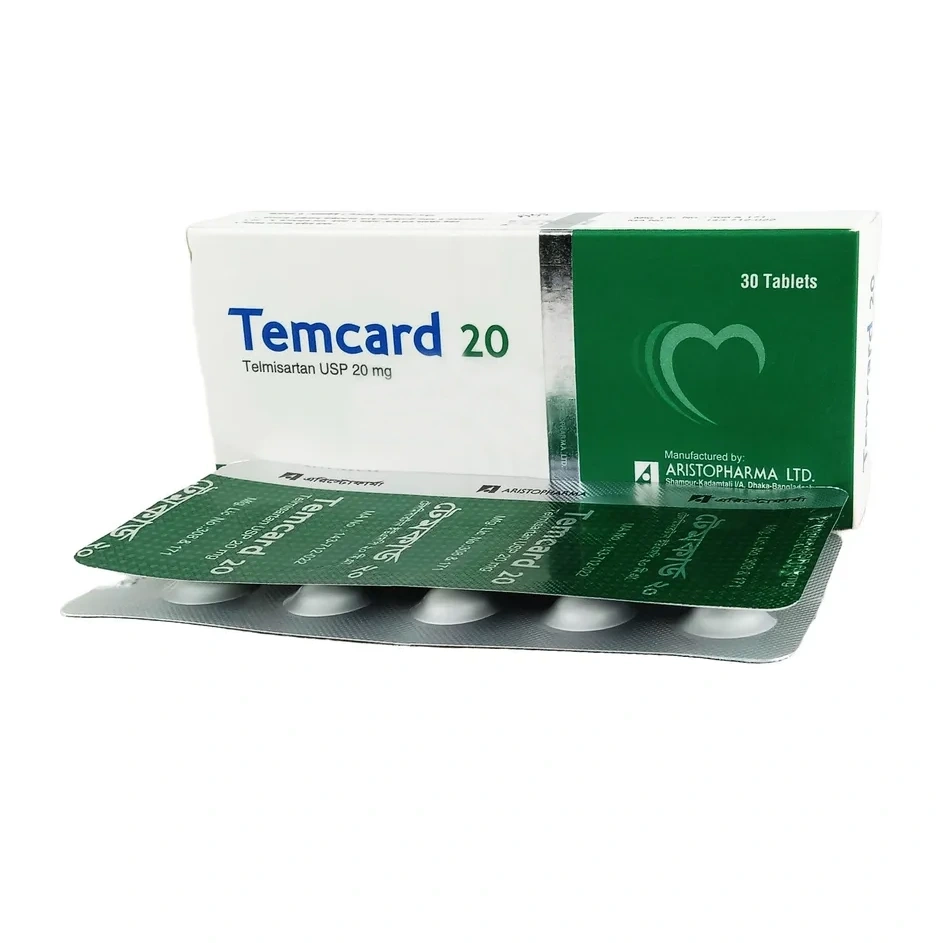
Temcard 20mg Tablet 1 Strip
- Hypertension: Helps lower high blood pressure.
- Cardiovascular risk reduction: Helps reduce the risk of cardiovascular complications in eligible high-risk patients.
- Cardiovascular protection: Helps reduce strain on the heart and blood vessels by controlling blood pressure.
- Adults with hypertension: The usual starting dose is 40 mg once daily. Depending on the response, the doctor may adjust the dose within the range of 20–80 mg daily.
- Cardiovascular risk reduction: The recommended dose for eligible adults is generally 80 mg once daily, as prescribed by the doctor.
- Patients with liver impairment: Lower doses and careful monitoring may be necessary.
- Patients with kidney impairment: The initial dose usually does not require adjustment in mild-to-moderate renal impairment, but monitoring is important.
- The appropriate dose depends on the patient's condition, blood pressure response, and other medical factors.
অফার মূল্য: ৳ 67
MRP:
৳
70
5%
ছাড়
১০০% অরিজিনাল পণ্যের নিশ্চয়তা
Safe & Secure Payments, Always

Fast, Secure & Efficient Delivery

Proper Packaging
 Cash on Delivery - All over Bangladesh
 Regular Delivery: 24-48 Hours, Dhaka City* Charge Tk.39-59
- Regular Delivery: 48-96 Hours, Other Cities* Charge Tk.99-125
 ফ্রি ডেলিভারিঃ - ১৪৯৯ টাকা+ অর্ডারে, ঢাকা
শহরে
- ফ্রি ডেলিভারিঃ - ৪৯৯৯ টাকা+ অর্ডারে, ঢাকার
বাহিরে
📲 মোবাইল অ্যাপ অর্ডারে সাশ্রয় বেশী
-
Google Play Store থেকে ডাউনলোড
-
Apple Store থেকে ডাউনলোড
১০০% অরিজিনাল পণ্যের নিশ্চয়তা
Safe & Secure Payments, Always
Fast, Secure & Efficient Delivery
Proper Packaging
- Cash on Delivery - All over Bangladesh
- Regular Delivery: 24-48 Hours, Dhaka City* Charge Tk.39-59
- Regular Delivery: 48-96 Hours, Other Cities* Charge Tk.99-125
- ফ্রি ডেলিভারিঃ - ১৪৯৯ টাকা+ অর্ডারে, ঢাকা
শহরে
- ফ্রি ডেলিভারিঃ - ৪৯৯৯ টাকা+ অর্ডারে, ঢাকার
বাহিরে
- Google Play Store থেকে ডাউনলোড
- Apple Store থেকে ডাউনলোড
📲 মোবাইল অ্যাপ অর্ডারে সাশ্রয় বেশী
✅ বিবরণ:
Telsartan 40 mg Tablet contains telmisartan, an angiotensin II receptor blocker (ARB) used to manage high blood pressure and reduce cardiovascular risks in eligible patients. It works by relaxing blood vessels, allowing blood to flow more easily and reducing the workload on the heart.
Telsartan 40 mg may be prescribed alone or in combination with other medicines. It can be taken with or without food, preferably at the same time each day. Continue taking it as prescribed, even when you feel well, because high blood pressure often does not cause noticeable symptoms. Do not stop treatment without consulting your doctor.
Alongside medication, lifestyle changes such as regular exercise, maintaining a healthy weight, reducing salt intake, avoiding smoking, and limiting alcohol consumption can help control blood pressure.
Inform your doctor before using Telsartan 40 mg if you have kidney or liver disease, dehydration, low blood pressure, or elevated potassium levels. Your doctor may monitor your blood pressure, kidney function, and potassium levels during treatment.

প্রাসঙ্গিক পণ্য
একই জেনেরিকের বিকল্প পণ্য, গ্রাহকের আগ্রহ অনুযায়ী সাজানো
Telcardis 80mg Tablet
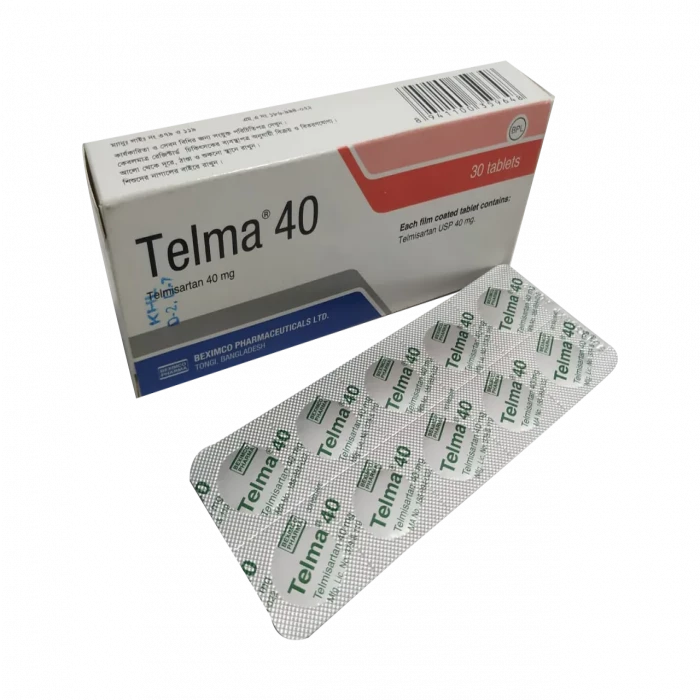
Telma 40mg 30pcs Tablet
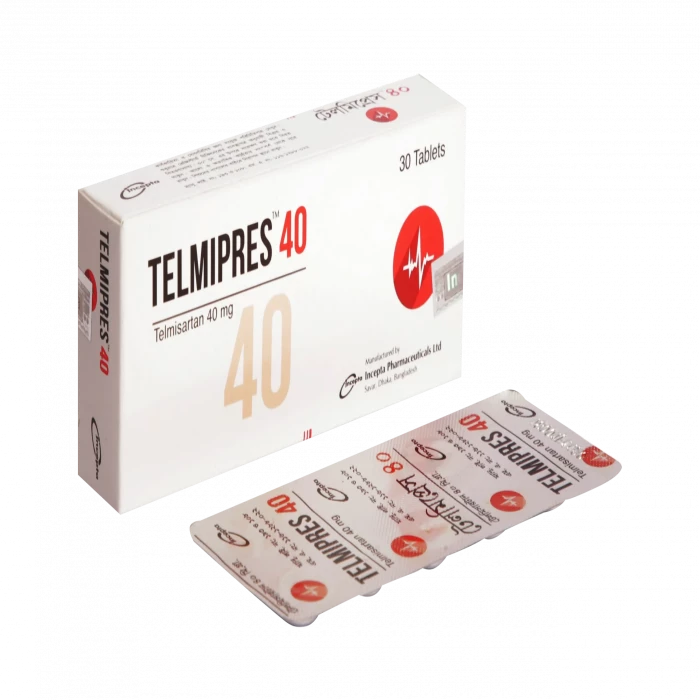
Telmipres 40mg Tablet 1 Strip

Tems 40mg Tablet 1 Strip
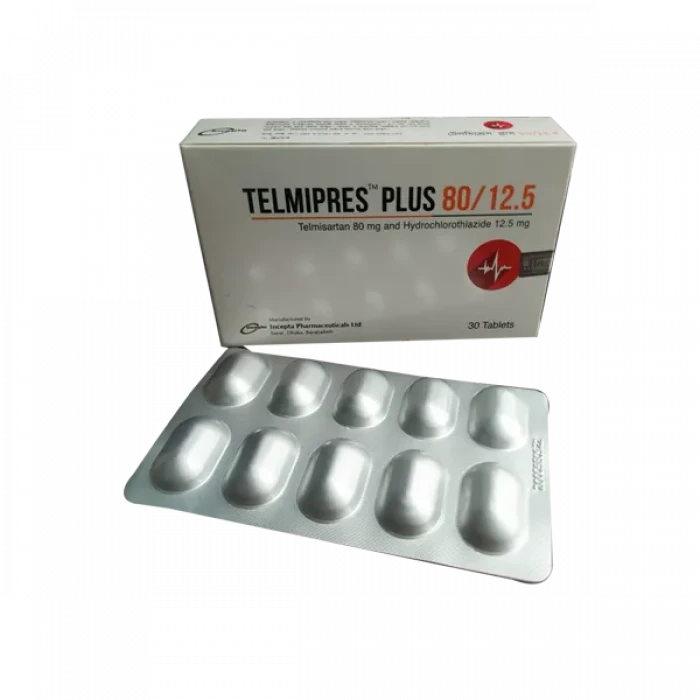
Telmipres Plus 80/12.5mg 10Pcs
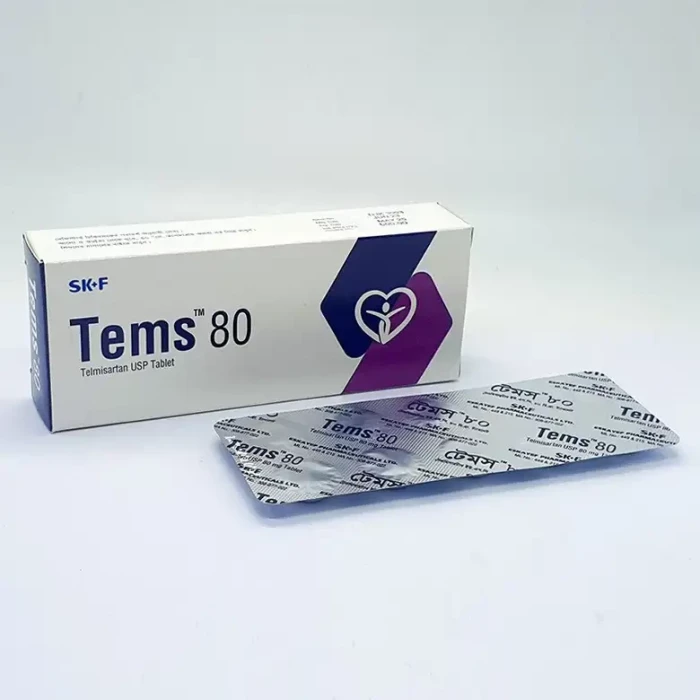
Tems 80mg Tablet 1 Strip
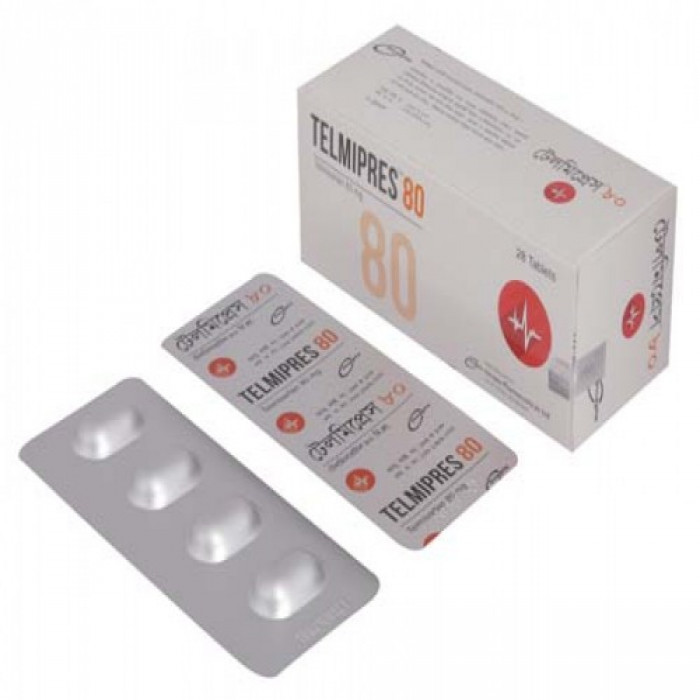
Telmipres 80mg 10Pcs
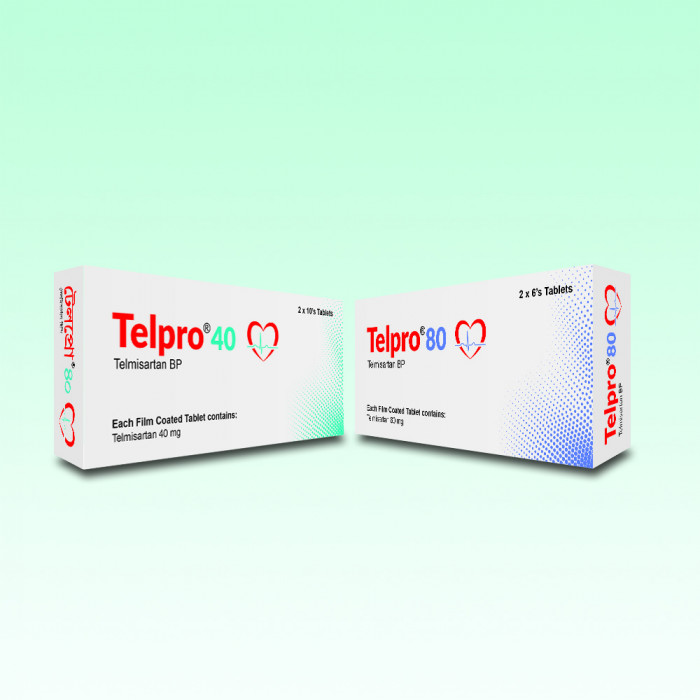
Telpro 40mg 10Pcs
Aristopharma Limited-এর আরও পণ্য
এই প্রস্তুতকারক বা ব্র্যান্ডের জনপ্রিয় পণ্য
Apetiz Syrup 200ml
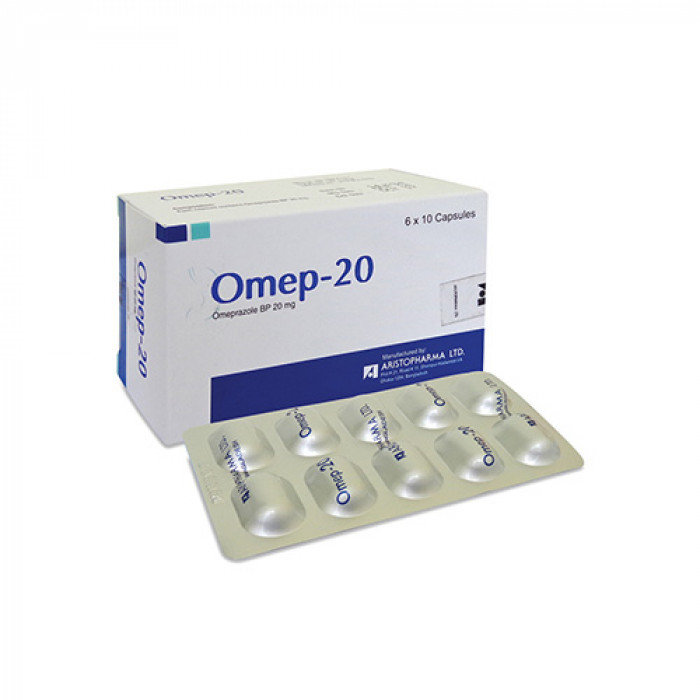
Omep 20mg Capsule 1 Strip
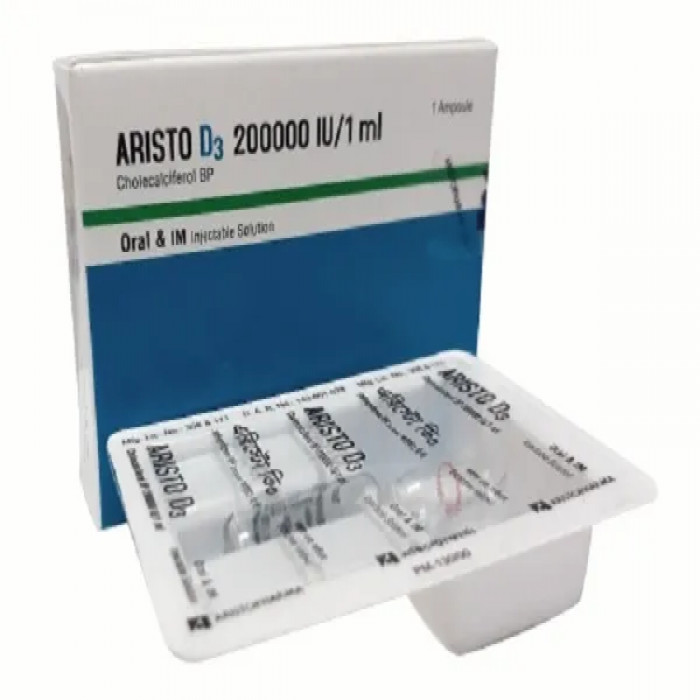
Aristo D3 200000 IU/1ml Injection

Goodbac 3S 4Billion Capsule 1 Strip
Audicare 0.3%+1%+0.025%+2% Ear Drops 10ml
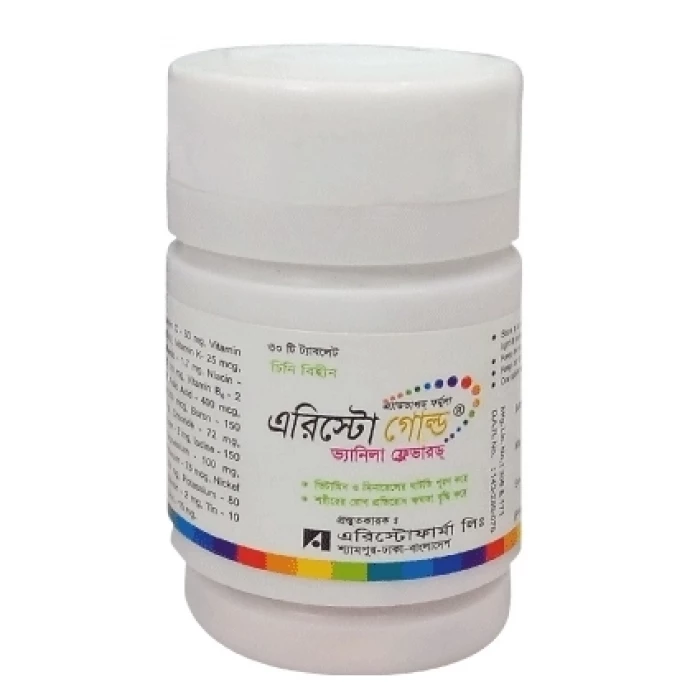
Aristo Gold Tablet (30pcs Pot)
Cutin 5mg Capsule 10pcs
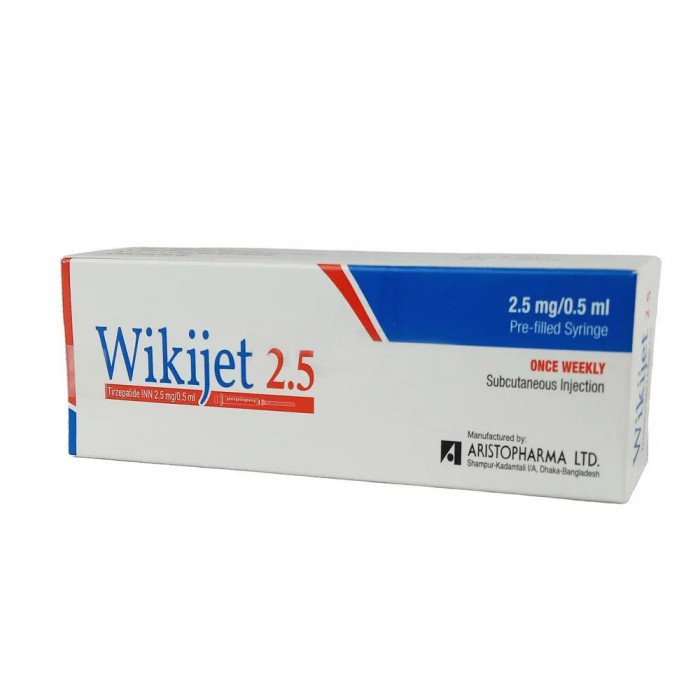
Wikijet 2.5mg/0.5ml Pre-Filled Syringe
কীভাবে অর্ডার করবেন?কীভাবে অর্ডার করবেন?
How to Orderওয়েবসাইট থেকে অর্ডার করার সহজ ভিডিও গাইড।
অ্যাপ থেকে অর্ডারের সহজ ভিডিও গাইড
অ্যাপ ডাউনলোডePharma অ্যাপ ডাউনলোড বিস্তারিত গাইড ›অ্যাপে অর্ডারের বিস্তারিত গাইডসম্পর্কিত লেখা



✔️ How to Use Telsartan 40 mg Tablet
- Take Telsartan 40 mg exactly as prescribed by your doctor. Swallow the tablet whole with water. It can be taken with or without food. Try to take it at the same time each day to maintain a consistent routine.
- Do not exceed the prescribed dose or stop treatment without medical advice.
✔️ Drug Interactions
Telsartan 40 mg may interact with other medicines, potentially affecting blood pressure, kidney function, or electrolyte levels.
1. Other blood pressure medicines
ACE inhibitors, other ARBs, and diuretics may cause excessive blood pressure reduction when used together. Combining telmisartan with an ACE inhibitor or another ARB is generally avoided unless specifically directed by a specialist.
2. Nonsteroidal anti-inflammatory drugs (NSAIDs)
Medicines such as ibuprofen, naproxen, and diclofenac may reduce the blood pressure-lowering effect and increase the risk of kidney impairment, particularly in dehydrated patients or those with existing kidney disease.
3. Potassium-sparing diuretics and potassium supplements
Spironolactone, amiloride, triamterene, potassium supplements, and potassium-containing salt substitutes may increase the risk of hyperkalemia. Your doctor may need to monitor potassium levels.
4. Lithium
Telmisartan may increase lithium concentrations and the risk of toxicity. Blood lithium levels should be monitored when the combination is necessary.
5. Digoxin
Telmisartan may increase digoxin concentrations. Monitoring may be appropriate, particularly in patients with kidney impairment.
6. Rifampicin
Rifampicin may reduce telmisartan exposure and potentially affect blood pressure control. Inform your doctor if you are taking rifampicin.
7. Aliskiren
Combining aliskiren with telmisartan may increase the risk of low blood pressure, high potassium, and kidney impairment. The combination is contraindicated in patients with diabetes and should generally be avoided in significant renal impairment.
✔️ Seek medical advice if you experience:
- Severe allergic reactions: Swelling of the face, lips, tongue, or throat, or difficulty breathing. These symptoms require emergency medical attention.
- Low blood pressure: Severe dizziness, fainting, or persistent lightheadedness.
- Kidney problems: Reduced urine output, swelling of the legs or feet, or unusual fatigue.
- High potassium levels: Muscle weakness, palpitations, or an irregular heartbeat.
- Liver problems: Yellowing of the skin or eyes, dark urine, or persistent upper abdominal pain.
✔️ Side Effects:
- Dizziness
- Fatigue
- Headache
- Lightheadedness
- Diarrhea
- Back pain
- Nausea
✔️ Drug–Food Interactions
- Salt intake: Excessive sodium intake may make blood pressure more difficult to control. Follow your doctor's advice regarding dietary salt.
- Potassium-rich foods: Telmisartan can increase blood potassium in some patients. Most people do not need to avoid all potassium-rich foods, but those with high potassium levels or kidney disease may require dietary adjustments.
- Grapefruit juice: There is no established major grapefruit interaction requiring routine avoidance with telmisartan alone.
✔️ Before starting Telsartan 40 mg, inform your doctor if you have:
- High potassium levels.
- Diabetes.
- Kidney or liver impairment.
- Dehydration or significant fluid loss.
- A history of elevated aldosterone levels or renal artery stenosis.
✔️ Warnings and Precautions
Pregnancy
Telmisartan is contraindicated during pregnancy because it can cause serious fetal harm, particularly during the second and third trimesters. Contact your doctor immediately if you become pregnant while taking this medicine.
Breastfeeding
Consult your doctor before taking telmisartan while breastfeeding. An alternative medicine may be preferred, particularly when feeding a newborn or premature infant.
Driving and Operating Machinery
Avoid driving or operating machinery if you experience dizziness, lightheadedness, or fatigue.
Alcohol
Alcohol may increase the blood pressure-lowering effect and worsen dizziness. Limit or avoid alcohol as advised by your doctor.
Kidney Disease
Use with caution if you have kidney disease, renal artery stenosis, or a history of kidney transplantation. Kidney function and potassium levels may require monitoring.
Liver Disease
Telmisartan should not be used in severe hepatic impairment or biliary obstructive disorders. Patients with other liver conditions may require a lower starting dose and careful supervision.
Allergy
Do not take this medicine if you have a known allergy to telmisartan or any of its ingredients.
Heart Disease and Low Blood Pressure
Tell your doctor if you have heart disease, low blood pressure, dehydration, or significant fluid loss due to vomiting or diarrhea. These conditions may increase the risk of symptomatic hypotension.
Use in Children
Safety and efficacy have not been established for the indications described here in patients younger than 18 years. Use in children should be guided by a specialist.
Use in Older Adults
Older adults can generally use telmisartan without routine initial dose adjustment, but individual assessment and monitoring are important.
✔️ Storage:
Store in a dry place away from light and heat. Keep out of the reach of children.
⚠️Disclaimer:
At ePharma, we’re committed to providing accurate and accessible health information. However, all content is intended for informational purposes only and should not replace medical advice from a qualified physician. Please consult your healthcare provider for personalized guidance. We aim to support, not substitute, the doctor-patient relationship.
📦Pricing Information, Availability:
Product Availability & Pricing Notice
Please note that pricing, availability, and service offerings are subject to change due to: Market fluctuations, Manufacturer or supplier adjustments, Product discontinuation or temporary unavailability, Advertising errors. All orders depend on stock availability and staff resources. If services are provided on a time-and-materials basis, any shared estimates are for planning purposes only.


নির্ভরযোগ্য
All products displayed on ePharma are procured from govt. approved pharmaceuticals and verified licensed pharmacies from 2016.

নিরাপদ
ePharma uses Secure Sockets Layer (SSL) 128-bit 🔒 encryption and is Payment Card Industry DataSecurity Standard (PCI DSS) compliant.

সাশ্রয়ী
Find affordable medicine substitutes, save up to 50% on health products, up to 30% off on doctor consultations.

সামাজিক
Providing health care services under the health and beauty category with more than 170K Facebook audience and 10M+ reach.







Get more features!
Download the app now
✓ Doctor consultation ✓ 24/7 helpline