

 Track Order


✔ 100% Authentic Product
👁️ Currently Viewing 24
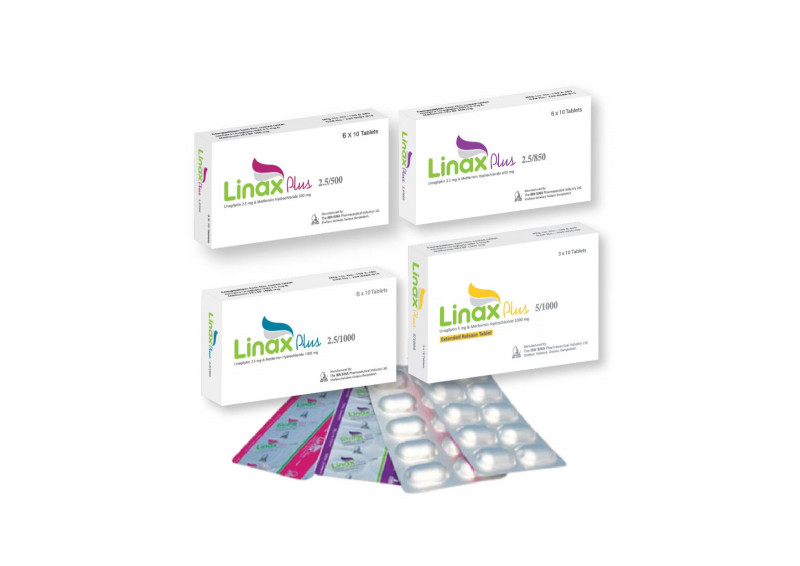
Linax Plus 5/1000mg Tablet
Linax Plus is indicated as an adjunct to diet and exercise to improve glycemic control in adults with type 2 diabetes mellitus when treatment with both Linagliptin and Metformin Hydrochloride is appropriate
Discount
Price: ৳ 143
MRP:
৳
150
5%
Off

100% Genuine Products, Guaranteed

Safe & Secure Payments, Always

Fast, Secure & Efficient Delivery
Proper Packaging
 Cash on Delivery - All over Bangladesh
 Regular Delivery: 24-48 Hours, Dhaka City* Charge Tk.39-59
- Regular Delivery: 48-96 Hours, Other Cities* Charge Tk.99-125
 ফ্রি ডেলিভারিঃ - ১৯৯৯ টাকা+ অর্ডারে, ঢাকা
শহরে
ফ্রি ডেলিভারিঃ - ১৯৯৯ টাকা+ অর্ডারে, ঢাকা
শহরে- ফ্রি ডেলিভারিঃ - ৪৯৯৯ টাকা+ অর্ডারে, ঢাকার
বাহিরে
📲 মোবাইল অ্যাপ অর্ডারে সাশ্রয় বেশী
-
Google Play Store থেকে ডাউনলোড
-
Apple Store থেকে ডাউনলোড
100% Genuine Products, Guaranteed
Safe & Secure Payments, Always
Fast, Secure & Efficient Delivery
Proper Packaging
- Cash on Delivery - All over Bangladesh
- Regular Delivery: 24-48 Hours, Dhaka City* Charge Tk.39-59
- Regular Delivery: 48-96 Hours, Other Cities* Charge Tk.99-125
- ফ্রি ডেলিভারিঃ - ১৯৯৯ টাকা+ অর্ডারে, ঢাকা
শহরে
- ফ্রি ডেলিভারিঃ - ৪৯৯৯ টাকা+ অর্ডারে, ঢাকার
বাহিরে
- Google Play Store থেকে ডাউনলোড
- Apple Store থেকে ডাউনলোড
📲 মোবাইল অ্যাপ অর্ডারে সাশ্রয় বেশী
✅ Description:
Linagliptin is indicated to improve glycemic control in patients with type 2 diabetes mellitus. Linagliptin is an inhibitor of DPP-4 (dipeptidyl peptidase-4), an enzyme that degrades the incretin hormones GLP-1 (glucagon like peptide-1) and GIP (glucose dependent insulinotropic polypeptide). Thus, Linagliptin increases the concentrations of active incretin hormones, stimulating the release of insulin from pancreatic beta (β) cells in a glucose-dependent manner and decreasing the secretion of glucagon from pancreatic alpha (α) cells in the circulation.
Metformin Hydrochloride is a biguanide-type oral antihyperglycemic drug used in the management of type 2 diabetes. It lowers both basal and postprandial plasma glucose. Its mechanism of action is different from that of sulfonylureas, and it does not produce hypoglycemia. Metformin Hydrochloride decreases hepatic glucose production, decreases intestinal absorption of glucose, and improves insulin sensitivity by an increase in peripheral glucose uptake and utilization.

Relevant Products / প্রাসঙ্গিক পণ্য
Same generic alternatives, ranked by customer interest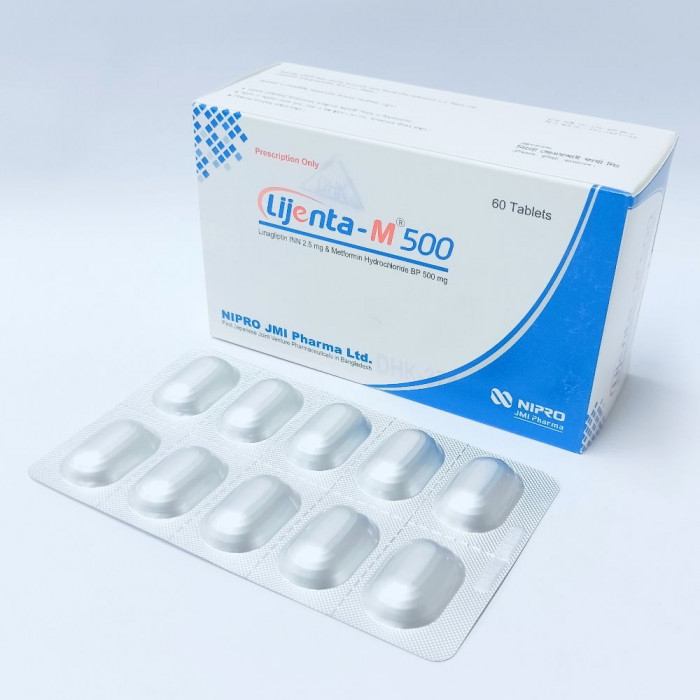
Lijenta-M 500mg Tablet 10pcs
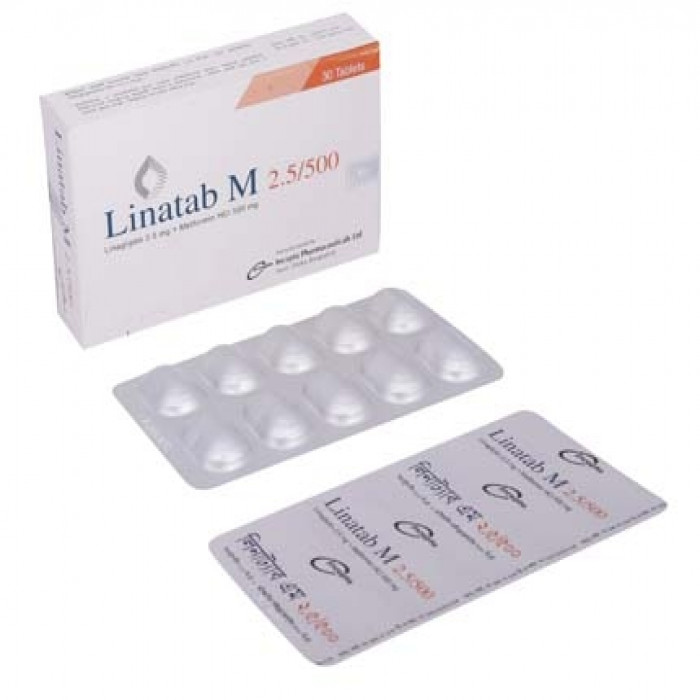
Linatab M 2.5/500 Tablet
Linax Plus 2.5/500 Tablet 1 Strip
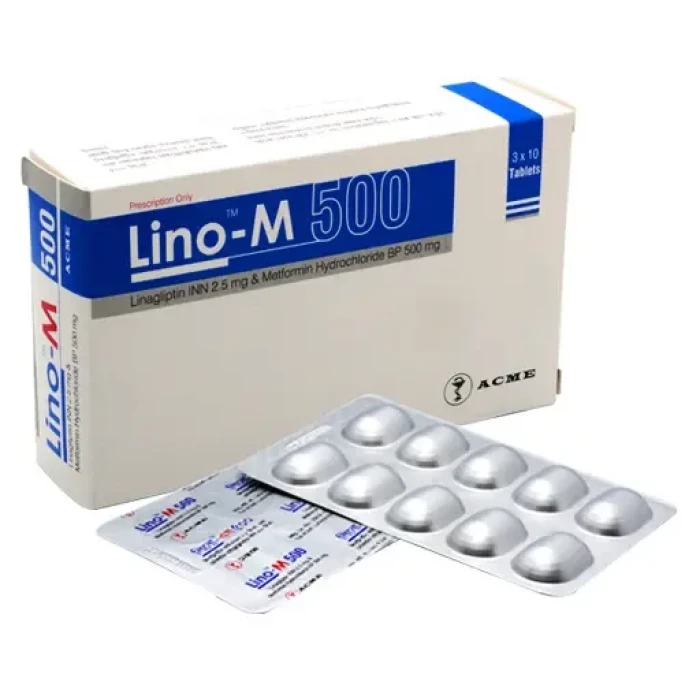
Lino-M (2.5mg+500mg) Tablet 10pcs
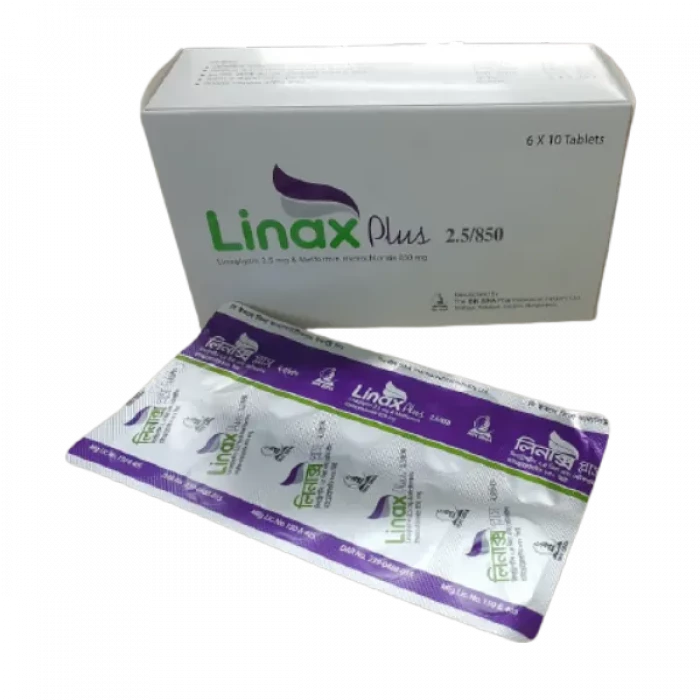
Linax Plus 2.5/850 Tablet 1 Strip
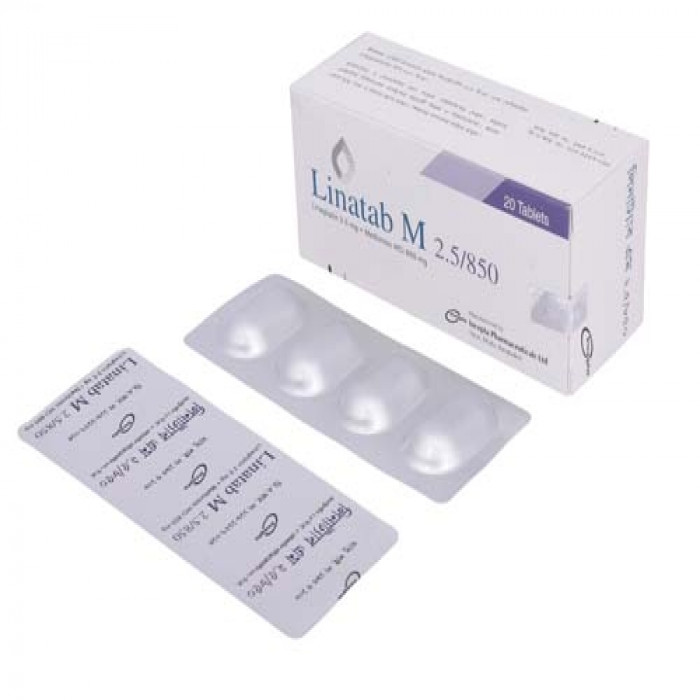
Linatab M 850 (2.5mg+850mg) 20pcs
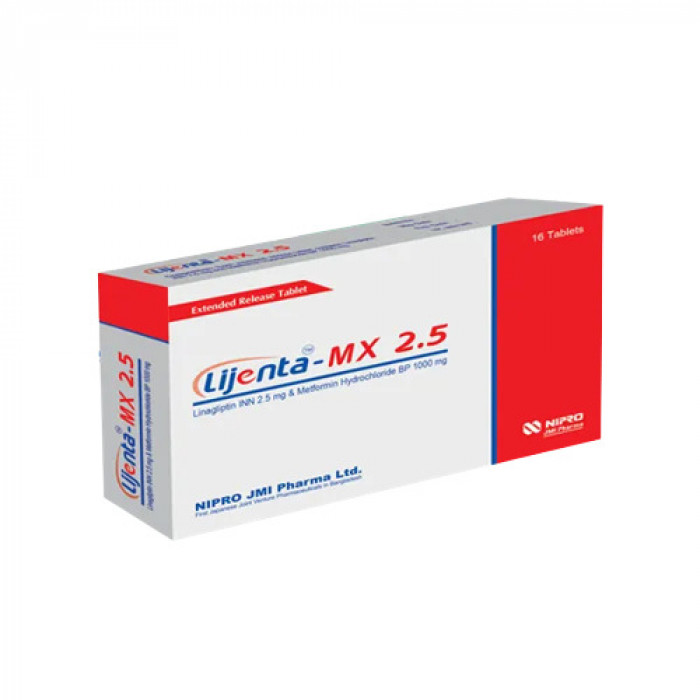
Lijenta-MX 2.5-8pcs
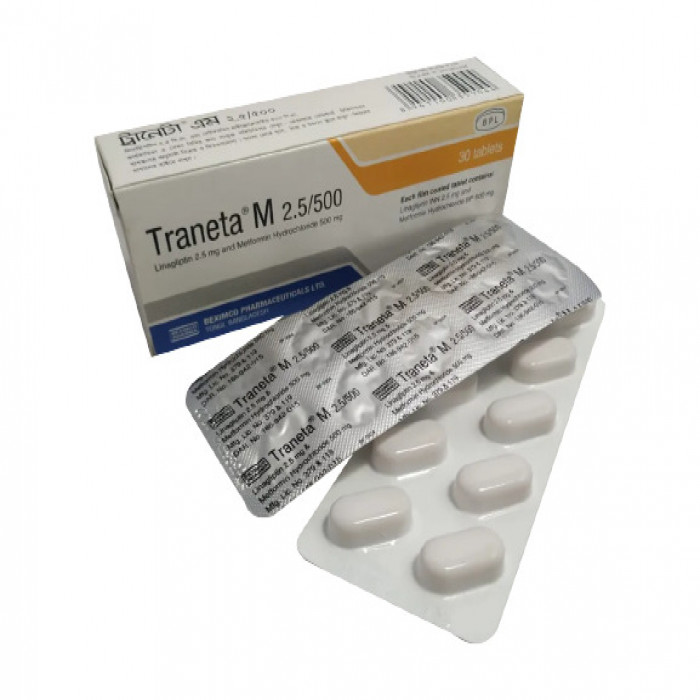
Traneta M 500 (2.5mg+500mg) 10pcs
More From Ibne Sina Pharmaceuticals / এই ব্র্যান্ডের আরও পণ্য
Popular products from this manufacturer/brand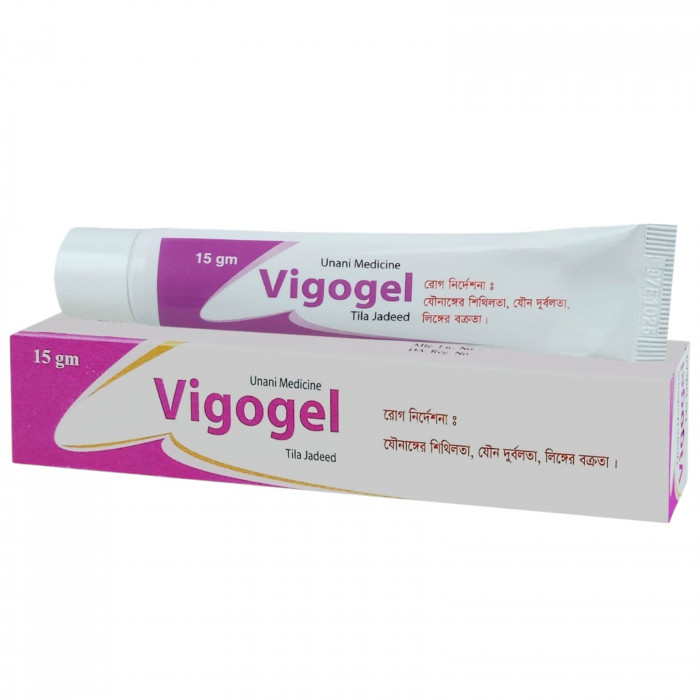
Vigogel
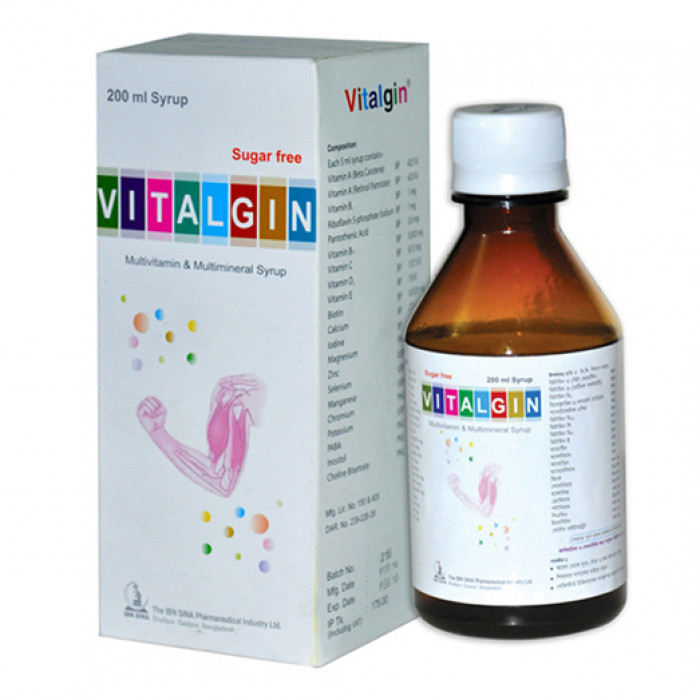
Vitalgin Syrup 200ml
Xorel 20mg Tablet 10Pcs
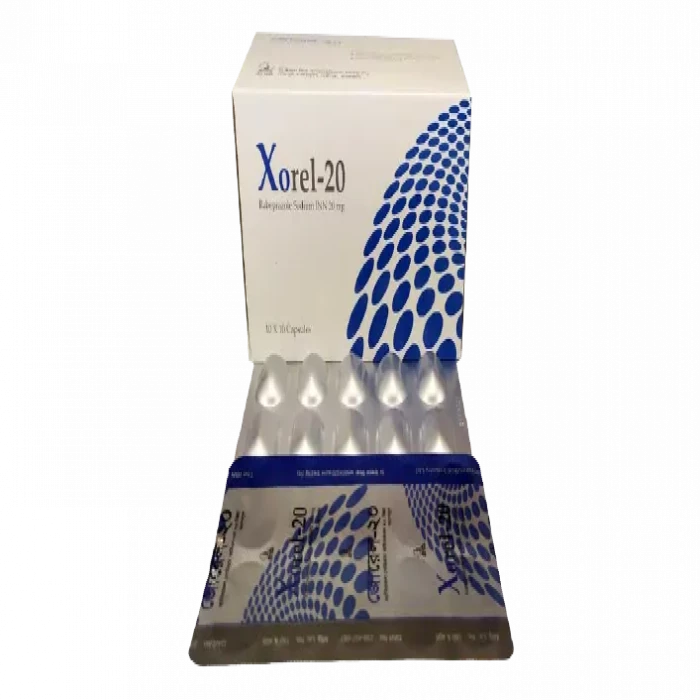
Xorel 20mg Capsule
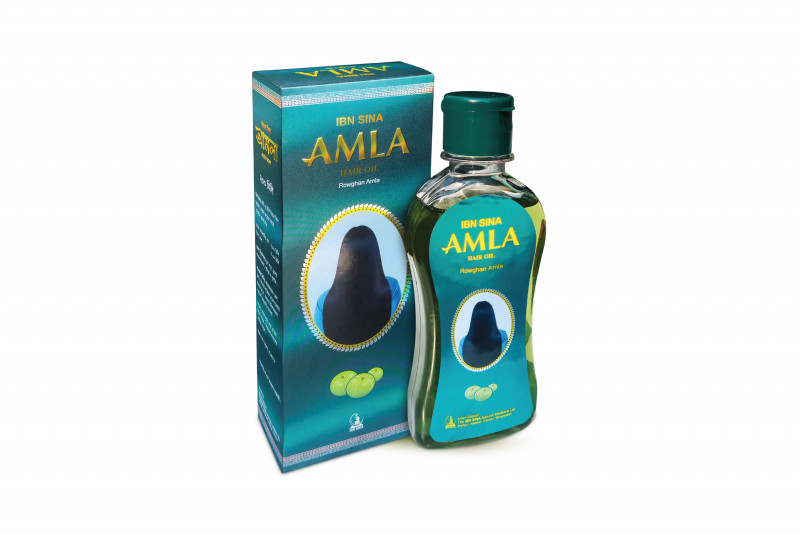
Ibne Sina Amla Herbal Hair Oil 200ml
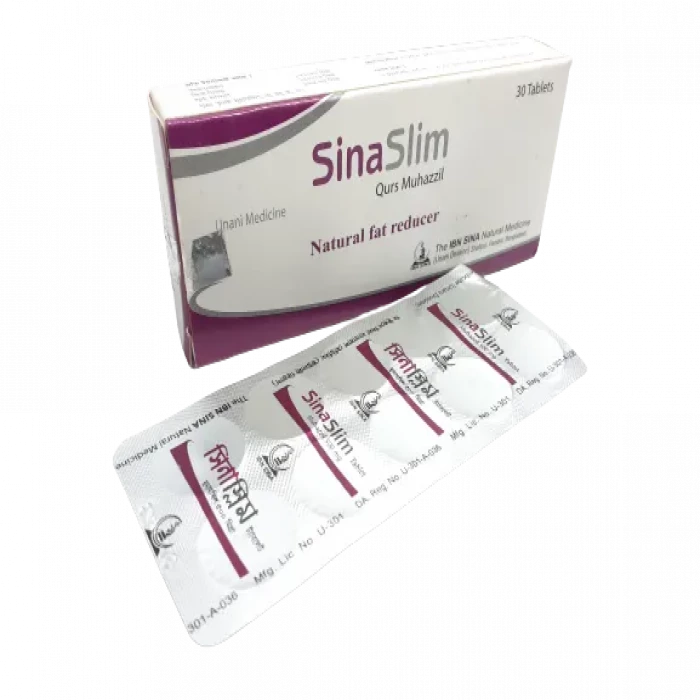
Sinaslim 30pcs Tablet
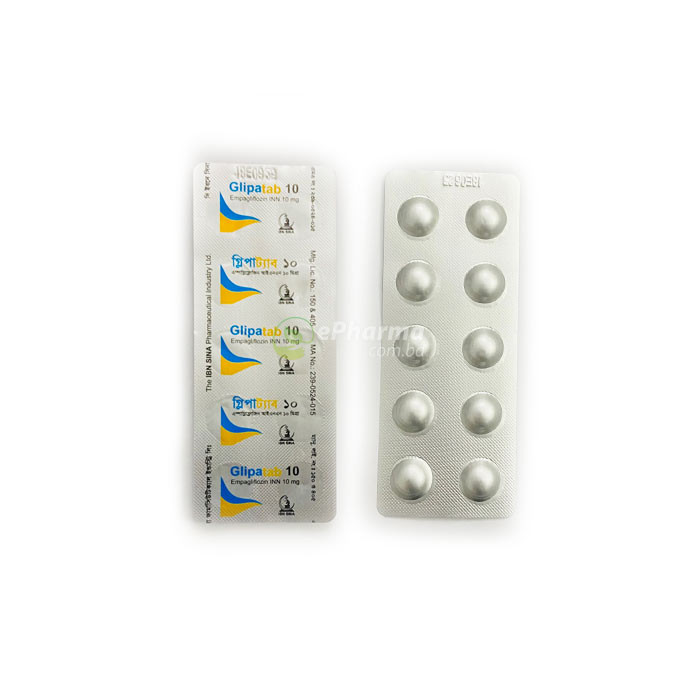
Glipatab 10mg Tablet
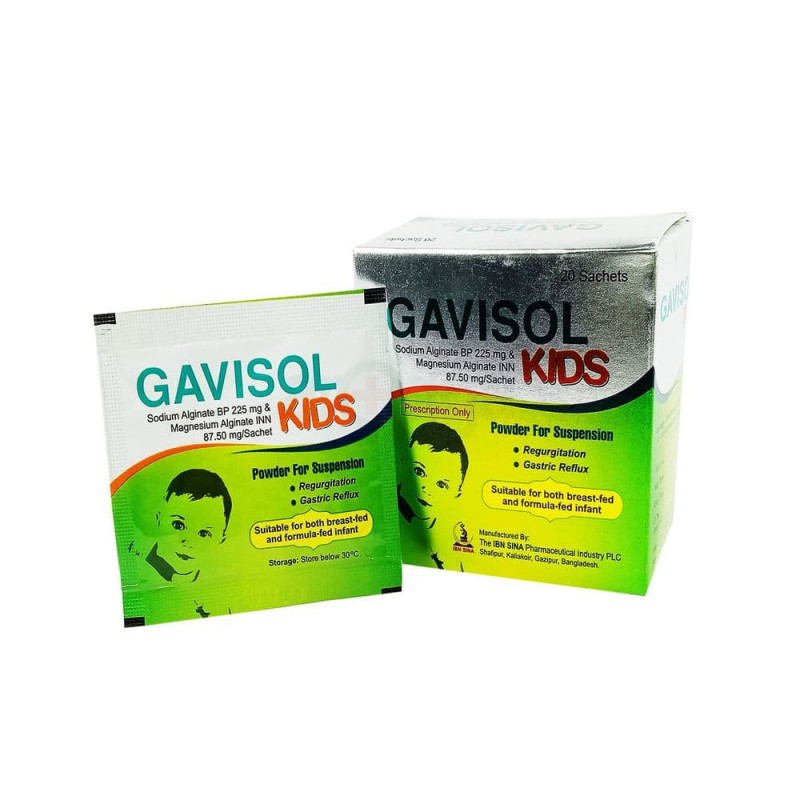
Gavisol 225mg+87.50mg Kids Powder | 20 Sachets
Related Posts
✔️ Linagliptin & Metformin extend release tablet:
The dosage of this combination should be individualized on the basis of both effectiveness and tolerability, while not exceeding the maximum recommended total daily dose of Linagliptin 5 mg and Metformin Hydrochloride 2000 mg. This combination should be given once daily with a meal.
Recommended starting dose: In patients currently not treated with metformin, initiate this combination treatment with 5 mg Linagliptin/1000 mg Metformin Hydrochloride extended-release once daily with a meal.
In patients already treated with Metformin, start this combination with a 5 mg total daily dose of Linagliptin and a similar total daily dose of Metformin once daily with a meal.
In patients already treated with Linagliptin & Metformin immediate release tablet, switch to the extended release tablet containing 5 mg of Linagliptin total daily dose and a similar total daily dose of Metformin once daily with a meal.
5 mg Linagliptin & 1000 mg Metformin Hydrochloride extended-release tablet should be taken as a single tablet once daily. Patients using 2.5 mg Linagliptin & 1000 mg Metformin extended release tablets should take two tablets together once daily.
✔️ Linagliptin & Metformin immediate release tablet:
The dosage of Linagliptin & Metformin should be individualized on the basis of both effectiveness and tolerability. Maximum recommended dose of 2.5 mg Linagliptin and 1000 mg Metformin Hydrochloride twice daily with meals. Dose escalation should be gradual to reduce the gastrointestinal (GI) side effects associated with Metformin Hydrochloride use.
Recommended starting dose: In patients currently not treated with Metformin Hydrochloride, initiate treatment with 2.5 mg Linagliptin and 500 mg Metformin Hydrochloride twice daily.
In patients already treated with Metformin Hydrochloride, start with 2.5 mg Linagliptin and the current dose of Metformin Hydrochloride twice daily.
Patients already treated with Linagliptin and Metformin Hydrochloride, individual components may be switched to this combination containing the same doses of each component.
✔️ Inducers of P-glycoprotein and CYP3A4 Enzymes:
Rifampin decreased Linagliptin exposure, suggesting that the efficacy of Linagliptin may be reduced when administered in combination with a strong P-gp inducer or CYP 3A4 inducer. As Linax Plus is a fixed-dose combination of Linagliptin and Metformin, use of alternative treatments (not containing Linagliptin) is strongly recommended when concomitant treatment with a strong P-gp or CYP 3A4 inducer is necessary.
✔️ Drugs Affecting Glycemic Control:
Certain drugs tend to produce hyperglycemia and may lead to loss of glycemic control. These drugs include the thiazides and other diuretics, corticosteroids, phenothiazines, thyroid products, estrogens, oral contraceptives, phenytoin, nicotinic acid, sympathomimetics, calcium channel blocking drugs, and isoniazid. When such drugs are administered to a patient receiving Linax Plus, the patient should be closely observed to maintain adequate glycemic control. When such drugs are withdrawn from a patient receiving Linax Plus, the patient should be observed closely for hypoglycemia.
✔️ Cationic Drugs:
Cationic drugs (e.g., amiloride, digoxin, morphine, procainamide, quinidine, quinine, ranitidine, triamterene, trimethoprim, or vancomycin) that are eliminated by renal tubular secretion theoretically have the potential for interaction with Metformin by competing for common renal tubular transport systems. Although such interactions remain theoretical (except for cimetidine), careful patient monitoring and dose adjustment of Linax Plus and/or the interfering drug is recommended in patients who are taking cationic medications that are excreted via the proximal renal tubular secretory system.
✔️ Carbonic Anhydrase Inhibitors:
Topiramate or other carbonic anhydrase inhibitors (e.g., zonisamide, acetazolamide, or dichlorphenamide) frequently decrease serum bicarbonate and induce non-anion gap, hyperchloremic metabolic acidosis. Concomitant use of these drugs may induce metabolic acidosis. Use these drugs with caution in patients treated with Linax Plus, as the risk of lactic acidosis may increase.
✔️ Side Effects
The most common side effects are nasopharyngitis and diarrhea. Hypoglycemia is more common in patients treated with Linax Plus and sulfonylureas.
✔️ Contraindications:
Although Linagliptin undergoes minimal renal excretion, Metformin Hydrochloride is known to be substantially excreted by the kidney. The risk of Metformin Hydrochloride accumulation and lactic acidosis increases with the degree of renal impairment. Therefore, this combination is contraindicated in patients with renal impairment. It is also contraindicated in acute or chronic metabolic acidosis (diabetic ketoacidosis) and in hypersensitivity to Linagliptin or Metformin Hydrochloride.
✔️ Overdose Effects
In the event of an overdose with Linax Plus, the usual supportive measures (i.e., remove unabsorbed material from the gastrointestinal tract, perform clinical monitoring, and institute supportive treatment) should be employed. Removal of Linagliptin by hemodialysis or peritoneal dialysis is unlikely, but Metformin Hydrochloride is dialyzable.
During controlled clinical trials in healthy subjects, with single doses of up to 600 mg of Linagliptin (equivalent to 120 times the recommended daily dose), there were no dose-related clinical adverse drug reactions.
Overdose of Metformin Hydrochloride has occurred in cases of ingestion of amounts greater than 50 grams. Hypoglycemia was reported in approximately 10% of cases, but no causal association with Metformin Hydrochloride has been established. Lactic acidosis has been reported in approximately 32% of Metformin Hydrochloride overdose cases.
✔️ Pregnancy & Lactation
There are no adequate and well-controlled studies in pregnant women with this combination or its individual components; so it should be used during pregnancy only if clearly needed. Caution should also be exercised when it is administered to a lactating mother.
✔️ Safety Information:
Linagliptin + Metformin should be discontinued immediately if lactic acidosis or pancreatitis is suspected. Temporary discontinuation may also be required before major surgery or procedures involving iodinated contrast media. Regular monitoring of Vitamin B12 and hematological parameters is recommended during long-term therapy.
Patients should maintain adequate hydration, avoid excessive alcohol intake, and follow dietary recommendations carefully to reduce the risk of hypoglycemia and lactic acidosis. Low blood sugar may occur, especially with missed meals, heavy exercise, alcohol consumption, or use with other antidiabetic medicines. Patients should be aware of the symptoms of hypoglycemia and seek prompt treatment if they occur.
Use cautiously in patients with kidney, liver, or cardiovascular disorders. Patients are advised to carry medical identification indicating they have diabetes and are receiving antidiabetic therapy.
✔️ Storage:
Keep in a cool & dry place (below 30°C), protected from light & moisture. Keep out of the reach of children.
⚠️Disclaimer:
At ePharma, we’re committed to providing accurate and accessible health information. However, all content is intended for informational purposes only and should not replace medical advice from a qualified physician. Please consult your healthcare provider for personalized guidance. We aim to support, not substitute, the doctor-patient relationship.
📦Pricing Information, Availability:
Product Availability & Pricing Notice
Please note that pricing, availability, and service offerings are subject to change due to: Market fluctuations, Manufacturer or supplier adjustments, Product discontinuation or temporary unavailability, Advertising errors. All orders depend on stock availability and staff resources. If services are provided on a time-and-materials basis, any shared estimates are for planning purposes only.

Reliable
All products displayed on ePharma are procured from govt. approved pharmaceuticals and verified licensed pharmacies from 2016.

Secure
ePharma uses Secure Sockets Layer (SSL) 128-bit 🔒 encryption and is Payment Card Industry DataSecurity Standard (PCI DSS) compliant.

Affordable
Find affordable medicine substitutes, save up to 50% on health products, up to 30% off on doctor consultations.

Social
Providing health care services under the health and beauty category with more than 170K Facebook audience and 10M+ reach.







Get more features!
Download the app now
✓ Doctor consultation ✓ 24/7 helpline